What Must Die?
“…even greater than our fear of dying, is our fear of truly living. I believe that we are deeply afraid of the great unknown, of all the potential errors and mistakes we may make…Death, then, is both a potent reminder that the tonal is impermanent and a beautifully crafted invitation to use your time here wisely, to not take it for granted.”—Don Miguel Ruiz Jr.
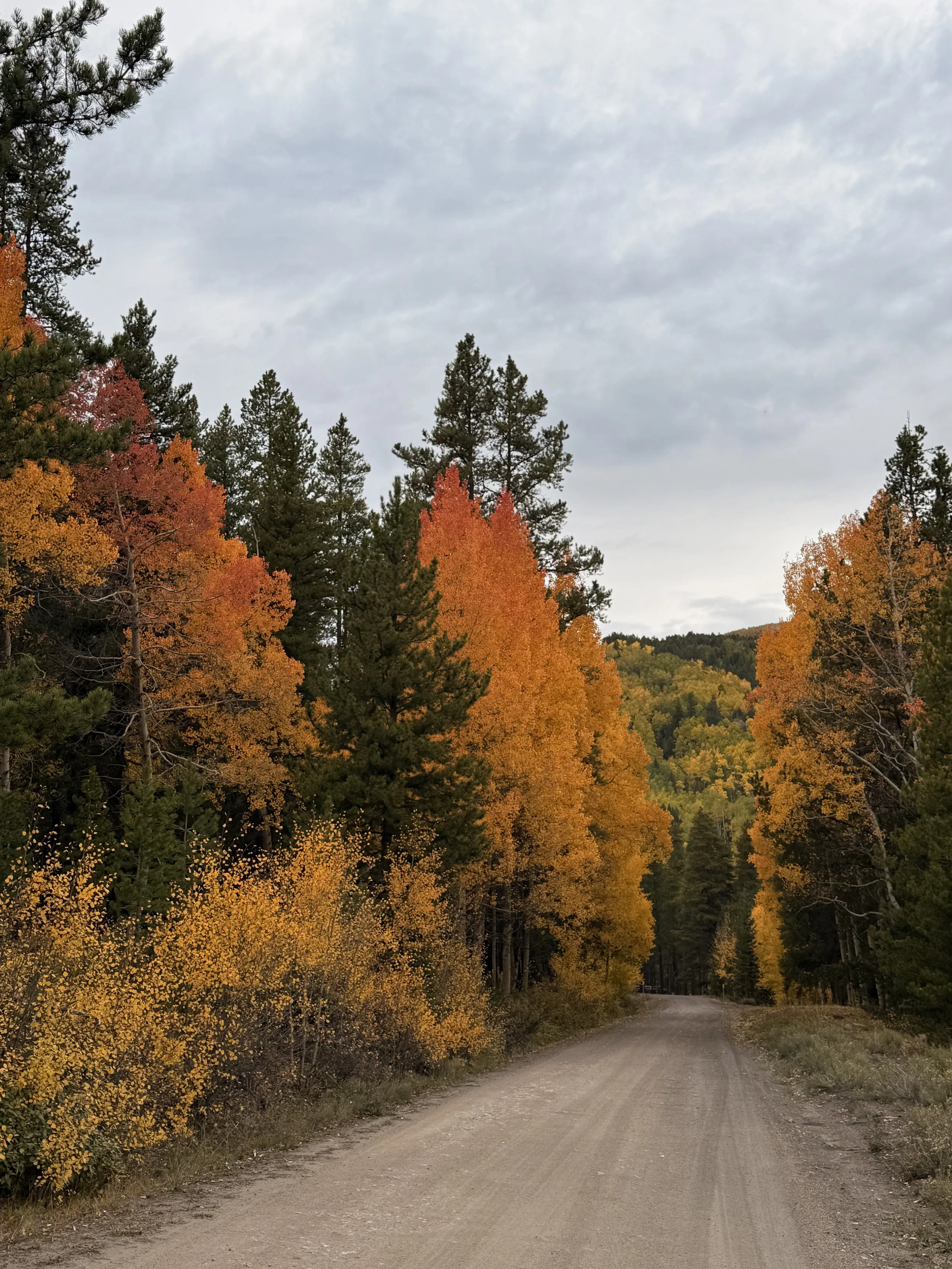
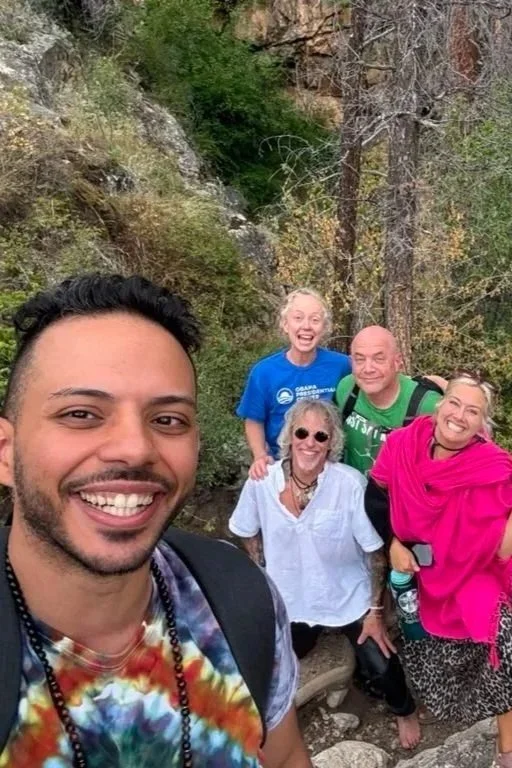
Fall in the high country
September 27th, 2026
📍Denver, Colorado, USA 🇺🇸
Greetings from the wilderness!
Last week, I attended the memorial of one of my mother's dearest friends.
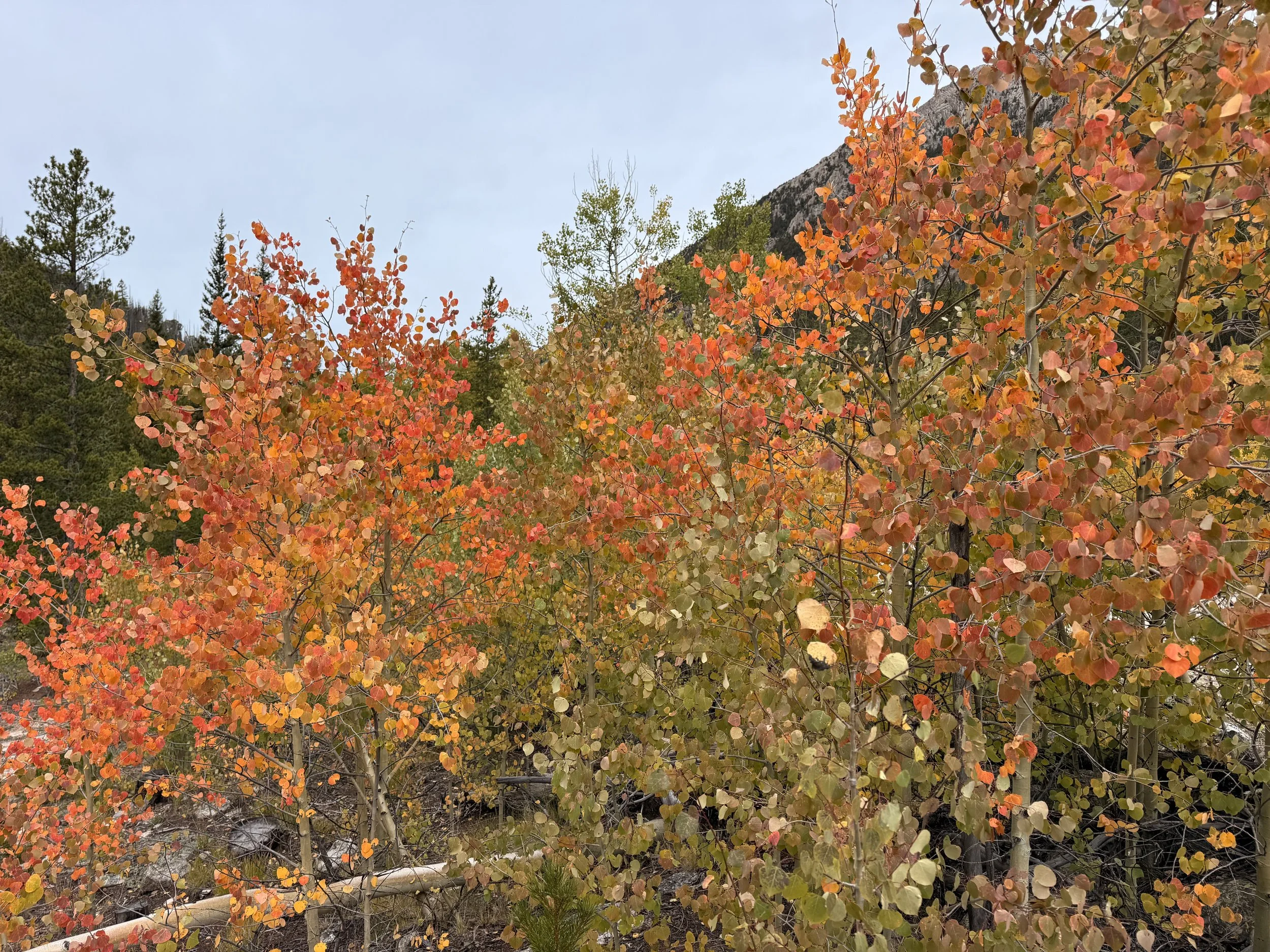
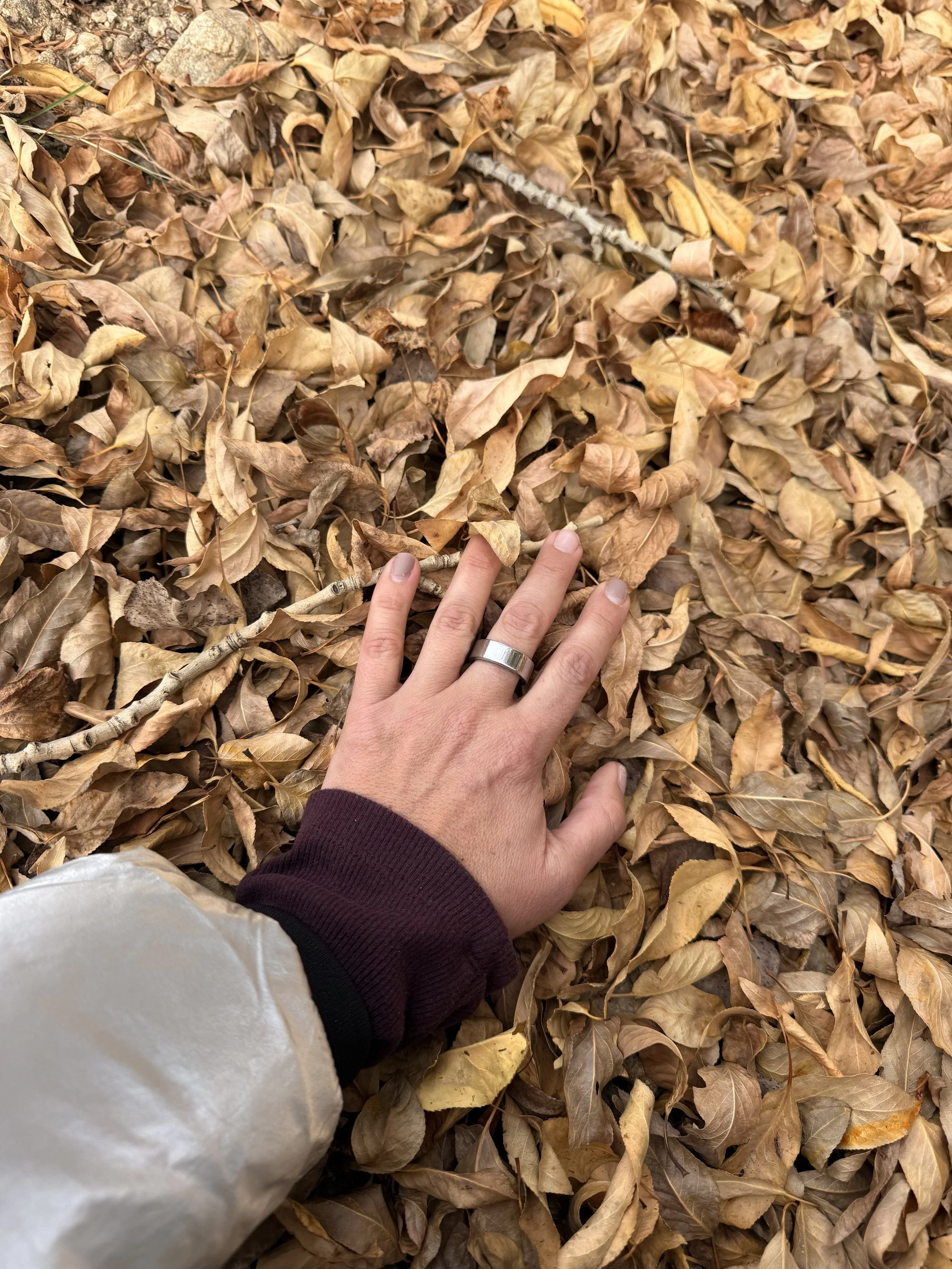
At the same time, autumn is settling over the mountains. The aspens are letting go. The nights are getting colder. Another season at the House of Loto is coming to an end, and soon this place that has been so full of gathering, music, prayer, meals, movement, and conversation will grow quiet in winter.
Death seems to be everywhere right now.
Not only bodily death, although there is no escaping that reality. I'm thinking about all the smaller deaths we experience throughout a lifetime: the death of relationships, identities, beliefs, dreams, seasons, communities, and versions of ourselves we can no longer inhabit.
Creation seems remarkably comfortable with this. Humans, not so much. We spend enormous amounts of energy trying to keep alive what may already be asking to die. Some of our deepest psychological suffering comes from our resistance to change, to endings.
Clarissa Pinkola Estés writes in Women Who Run With the Wolves that the great work before us is learning to discern “what within us must live, and what must die.”
What must live? And what must I finally allow to die? These feel like autumn questions.
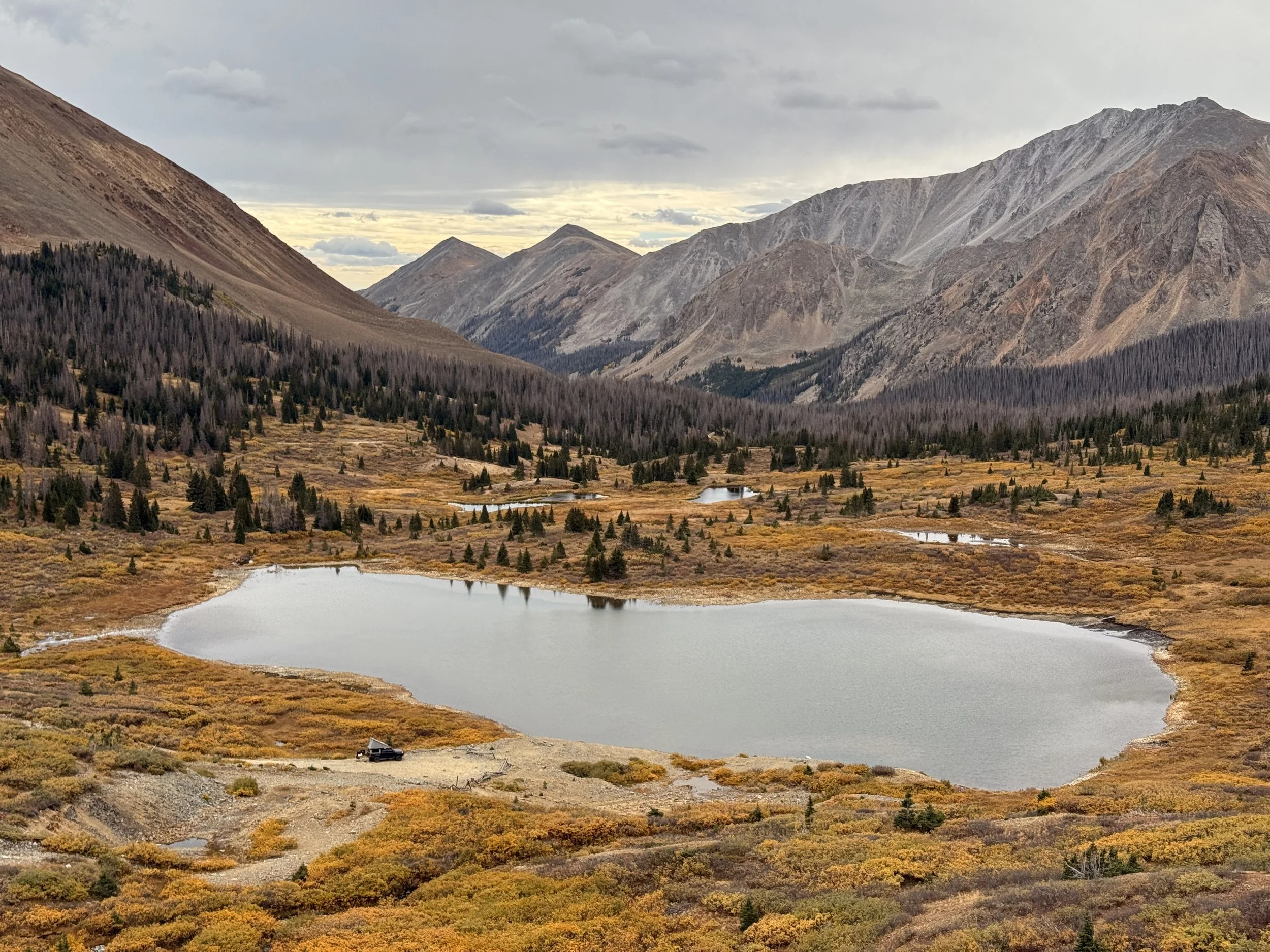
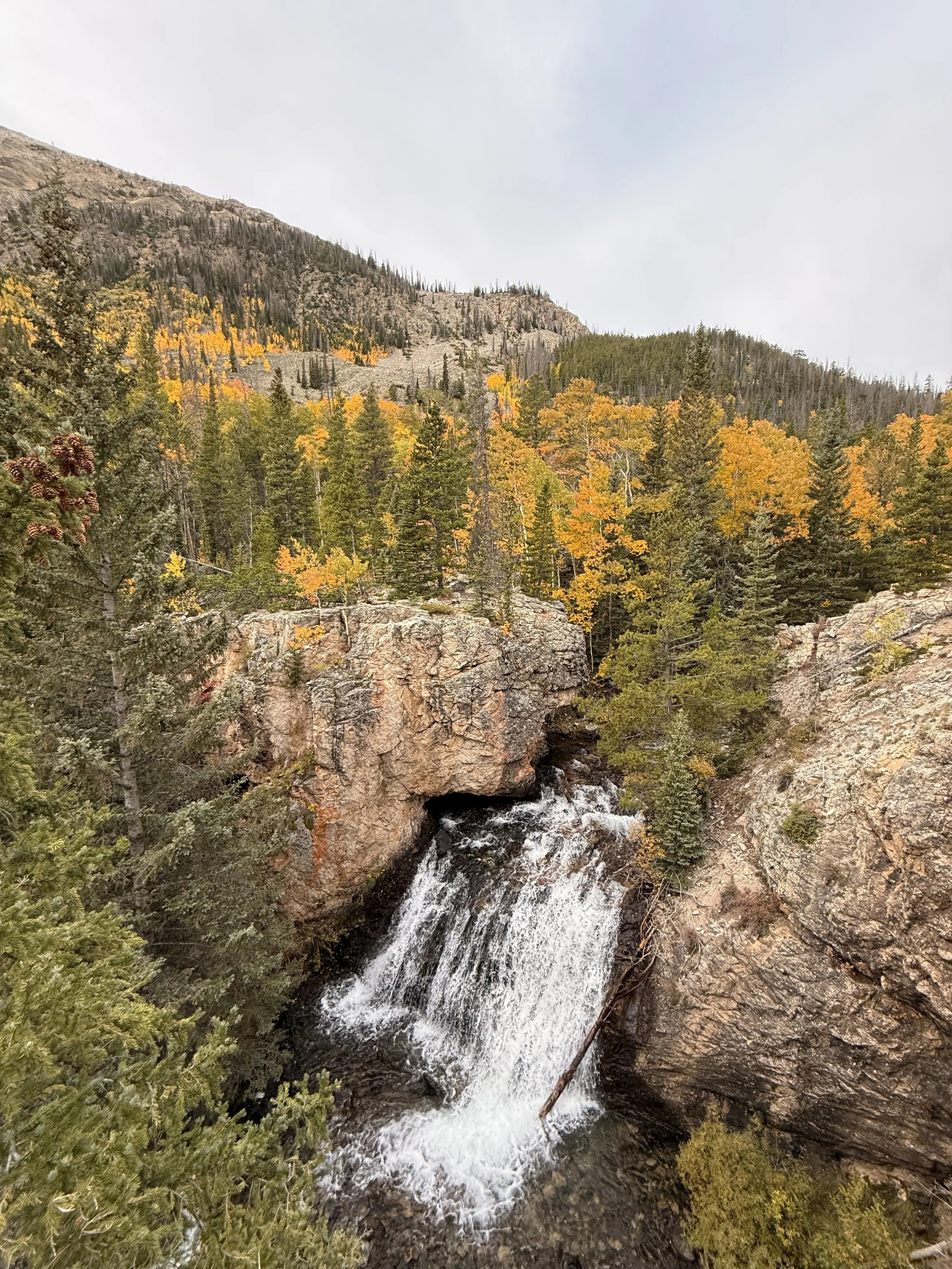
Fall at Billings Lake (behind the House of Loto)
There are moments in our lives when we're invited to cross a threshold after which we know we cannot return to who we were before. Sometimes we choose that crossing. Sometimes Life chooses it for us: A relationship ends. Someone dies. A belief collapses. A body changes. A community no longer fits. An identity that once helped us understand ourselves becomes too small.
There is a kind of death in each of these crossings because something (or someone) cannot come with us.
I've experienced enough of these thresholds in 45 years of life to recognize how desperately I can want to negotiate with them—To keep one foot in what was while stepping toward what is becoming. To ask Life for transformation while quietly hoping I won't have to lose anything in the process.
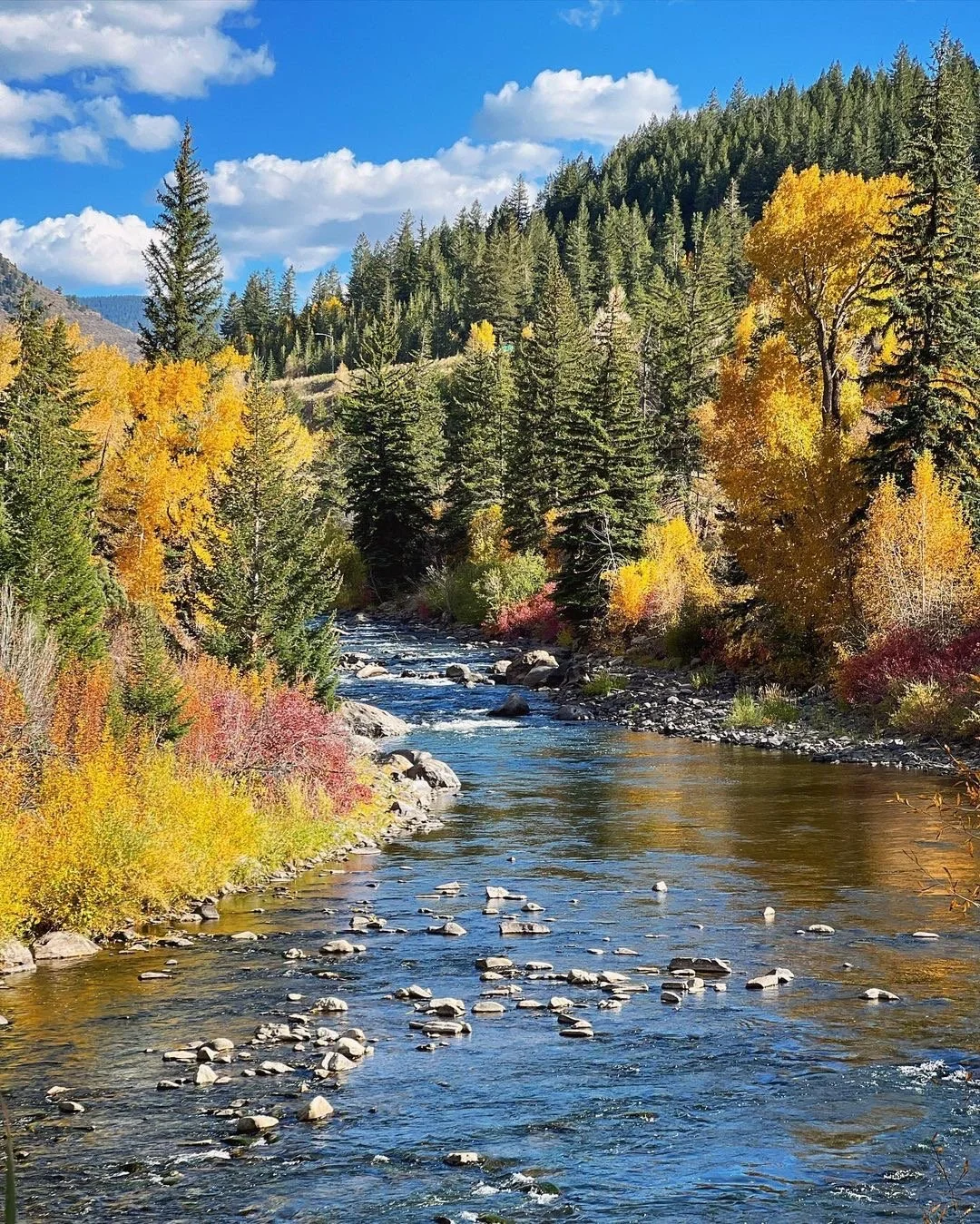
But Creation doesn't seem to work that way. The leaves fall; flowers wither. The forest burns. Our bodies age. Everywhere I look, Creation is reminding me that death is woven into Life itself.
Some spiritual traditions intentionally keep death close to Consciousness. Like the Bhutanese people who practice contemplation of death several times each day, in the belief that remembering that we will die someday becomes a way of remembering how precious—and impermanent—this life actually is.
Everything (and everyone) we love is impermanent…That's a hard sentence to write, especially after last week’s memorial.
The people and animals we love will die. Our bodies will change. The places we call home will change. Relationships will change. Communities will change. The identities we have spent decades constructing will change. Eventually, everything we are holding onto will have to be released. And perhaps remembering this is meant to change our need to hold on to anything or anyone.
Death clarifies. It asks what matters when everything else is stripped away and reminds us that loving something and possessing it are not the same thing. Death reveals our attachments.
Maybe that's why the smaller deaths of our lives can be such powerful teachers. A relationship ends, and we discover how much of our identity was wrapped around being someone's partner. A career changes, and we discover how much of our worth was attached to our title or accomplishments.
Someone rejects us, and we discover how badly we needed their approval. Someone else succeeds, and we discover the scarcity and comparison we didn't know we carried. Life didn't create these things in us. It revealed them.
Death asks us to let go. But letting go has a way of showing us exactly where we're still gripping.
My word for 2026 is freedom.
I'm learning that freedom and letting go (non-attachment) are deeply intertwined. Sometimes I know exactly what needs to be released. Other times, I can feel myself gripping something or someone long after I know it is time to open my hands.
When something we're attached to feels threatened, parts of ourselves can surface that we'd rather not see. And my instinct has often been to judge those things that come up, justify them, hide them, or look away.
I’m learning that these parts of myself are showing me precisely where the work is.
Perhaps the question isn't simply What needs to die? Perhaps there is another question that has to come first: What am I willing to see in myself in order to become free enough to let go?
Before I can discern what within me must live and what must die, I have to become willing to see what is actually there—Even the parts I'd rather weren't there. Especially those parts.
Death reveals attachment.
And our attachments have a remarkable way of revealing us to ourselves, because the things we are most reluctant to see, are carrying something we need to know. Rather than being afraid of it, the shadow is actually our greatest teacher.
With Love, unconditionally—
Jennifer
P.S.—I’d love to hear from YOU! Rather than emailing me or dropping me a DM, please post a comment below 👇
Disclosure: This post may contain affiliate links. If you click through a link and make a purchase, it may earn me a small commission, at no additional cost to you! See our disclaimer for details.
Keep Reading…
Dig Deeper…

Death clarifies. It asks what matters when everything else is stripped away and reminds us that loving something and possessing it are not the same thing. Death reveals our attachments.