
Every January, we're invited to begin again.
Often, that invitation comes packaged as a list of resolutions: exercise more, spend less, finally accomplish the thing we've been putting off. There is nothing inherently wrong with setting goals. But when a new year becomes another opportunity to evaluate everything that needs fixing, even our desire for growth can become another form of striving.
What if, instead of beginning the year by asking What do I need to accomplish?, we began with a different question: What wants my attention this year?
Choosing a Word of the Year is a contemplative practice of listening for a word, phrase, or quality that can become a companion for the season ahead.
Your word might emerge through prayer or meditation. It might surface while walking in nature, journaling, creating, talking with someone you trust, or simply paying attention to what continues to stir within you.
The point isn't to predict what the year will bring.
It's to practice paying attention as it unfolds.
Why Choose a Word Instead of Resolutions?
A resolution usually asks us to identify an outcome. A word asks us to cultivate attention.
Rather than becoming another goal to achieve, your word can function as a compass—a way of noticing what is happening within you and around you throughout the year.
A word like courage might reveal where fear has been making decisions for you. Rest might expose how deeply you have connected your worth to productivity. Belonging might invite you into relationship. Surrender might challenge your need to control outcomes.
And sometimes the word will mean something entirely different by December than you imagined in January. That's part of the practice. We don't choose a word because we already understand what it means. We choose it—or receive it—because we are willing to live the questions it opens.
Living Your Word
Choosing the word is only the beginning.
Write it somewhere you'll encounter it. Create art around it. Carry it into prayer or meditation. Notice when it appears in conversations, relationships, books, music, challenges, and unexpected moments.
Most importantly, let the word change. Return to it throughout the year and ask: What is this word teaching me now? Where am I resisting it? How has my understanding of it changed? What might it be inviting me to practice?
You don't have to force meaning onto every experience or turn your word into another assignment. Simply keep noticing.
By the end of the year, you may discover that the word you thought you understood in January has become something entirely different. Perhaps that is the point.

An Invitation to Listen
A new year does not require a new you. Perhaps it simply invites you to become more attentive to the life already unfolding within and around you.
So rather than beginning this year with everything you intend to accomplish, create a little space to listen. Walk. Pray. Journal. Create. Sit beside a river. Talk with someone who knows you well. Pay attention to the words that stir something within you.
And when one keeps returning, resist the urge to understand it completely. Carry it with you. Live with it. Let it ask something of you. And see what it teaches you along the way.
What word wants your attention this year?
Looking ahead to what the new year has in store for you? Join us on January 11th, 2025 for our winter envisioning digital vision board workshop.
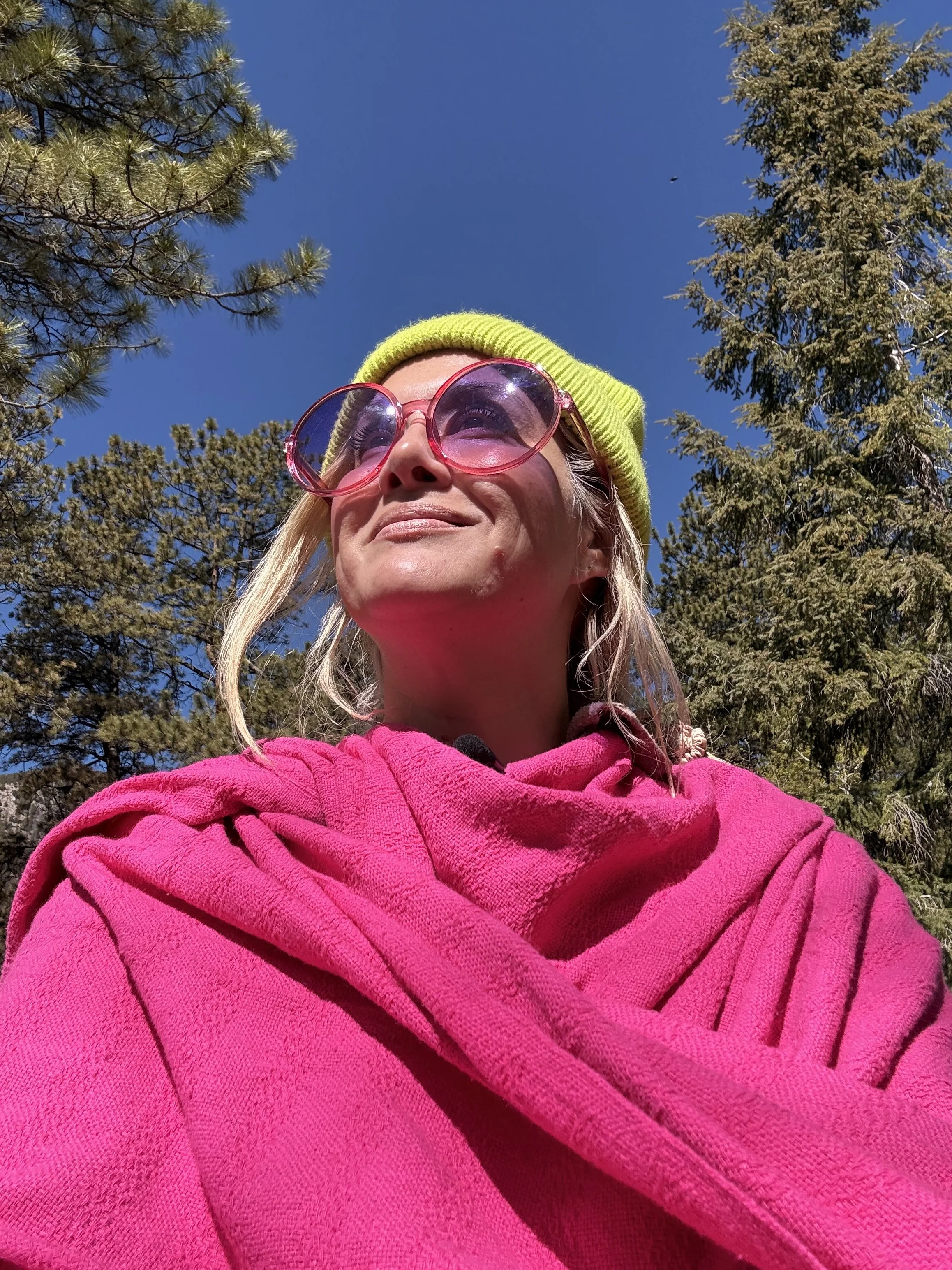
A Note from Jennifer:
My Word of the Year for 2026 was Freedom.
When I chose it, I couldn't have known all the ways that word would meet me.
Over the course of the year, freedom became less about independence and more about release: releasing identities, expectations, outcomes, relationships, and ways of being that no longer belonged to the life unfolding before me.
At one point I wrote, “Freedom isn't always something we fight for. Sometimes it is something we surrender into.”
That's what I love about this practice.
A Word of the Year isn't something we master. If we keep paying attention, the word begins to reveal layers we couldn't have understood when we chose it.
Sometimes the word chooses us as much as we choose the word.