
Meditation & Contemplative Prayer: Learning to Be Present
Across cultures and spiritual traditions, humans have developed practices for becoming quiet, paying attention, and cultivating greater awareness of ourselves, one another, the world around us, and the Sacred.
Meditation takes many forms. Buddhist traditions include diverse practices of mindfulness, concentration, insight, and compassion. Yogic and Hindu traditions have rich contemplative lineages of their own. Within Christianity, contemplative prayer, sacred reading, silence, and meditation have been practiced by generations of mystics and monastics. Other religious, Indigenous, philosophical, and secular traditions have developed their own ways of cultivating presence and contemplation.
These traditions are not interchangeable, and their practices do not necessarily share the same beliefs, purposes, or understandings of the Sacred. Yet across many of them we encounter a recurring human impulse: to become still enough to pay attention.

At Loto, we approach contemplative practice as an invitation into presence rather than an attempt to achieve a particular spiritual state. Meditation does not require eliminating our thoughts, escaping the body, or becoming perfectly calm.
Instead, we practice noticing.
We notice the breath.
The body.
Our thoughts and emotions.
The world around us.
The Sacred moving within and through it all.
Contemplative practice can create space between stimulus and response, deepen our capacity for awareness, and help us become more present to our lived experience. For those who understand meditation as spiritual practice, it can also become a way of listening—of becoming increasingly receptive to Wisdom, Love, God, Life, or however we name the Mystery beyond ourselves.
The invitation is not to escape the present moment—It is to become more fully available to it.

Contemplation as an Embodied Practice
Meditation is sometimes imagined as something that happens entirely within the mind. But we do not experience life—or spiritual practice—as minds separate from bodies.
Our thoughts, emotions, sensations, breathing, posture, environment, and relationships continually influence one another. When we are stressed, grieving, afraid, excited, or at ease, those experiences may show up not only in our thoughts but also in our breathing, muscle tension, heart rate, attention, energy, and awareness of the world around us.
Contemplative practices invite us to notice these experiences without immediately needing to change them.
For some people, meditation may support relaxation or a greater sense of steadiness. At other times, becoming quiet may make us more aware of discomfort, restlessness, grief, anxiety, or sensations we had not previously noticed. Calm is not the measure of whether a contemplative practice is “working.” The practice is attention.

Rather than treating the body as an obstacle to spiritual experience, embodied contemplation invites us to include the body in our awareness. We can notice the breath, feel our feet against the ground, sense where we are holding tension, listen to sounds around us, or simply become curious about what is present.
This can become a way of practicing relationship with ourselves: learning to listen without immediately judging, fixing, suppressing, or explaining what we find.
And for those who experience contemplation as spiritual practice, this embodied attention can also deepen our awareness of the Sacred—not because Divine Presence disappears when we are stressed or disconnected, but because becoming present may help us perceive what has been here all along.
Body Scan Meditation
One simple way to explore embodied contemplation is through a body scan—a practice of slowly moving attention through different areas of the body and noticing what is present.
Body scans are used in several contemporary meditation and therapeutic contexts, including mindfulness-based practices. Similar forms of embodied attention can also be found across contemplative traditions.
Begin by finding a position that feels supportive, either seated or lying down. You may close your eyes or soften your gaze if that feels comfortable.
Bring your attention to the places where your body is supported by the ground, chair, or surface beneath you. Notice your breathing without needing to change it.
Then slowly move your attention through the body—from the feet and legs, through the pelvis and abdomen, chest and back, hands and arms, shoulders and neck, and finally the face and head.
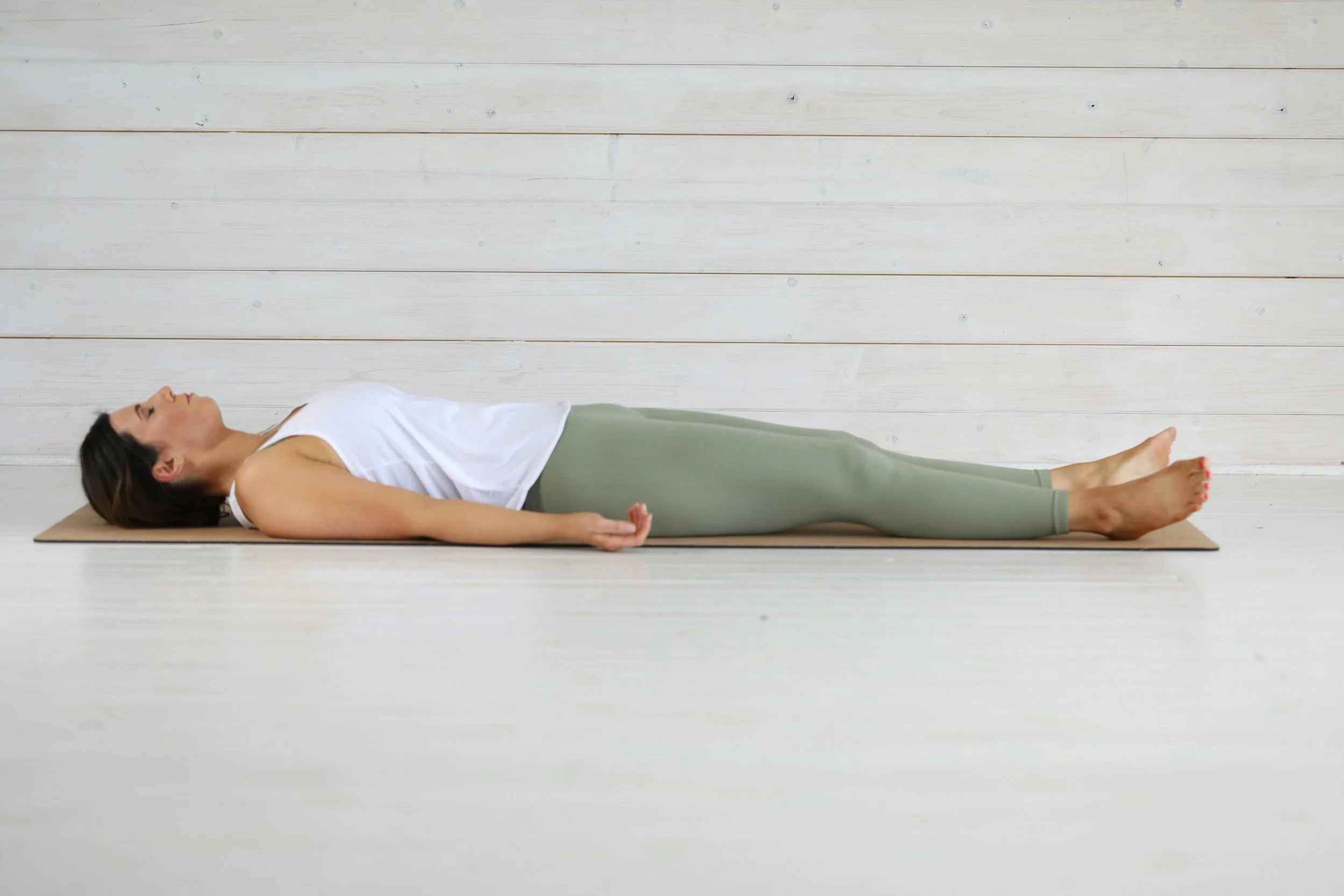
As you move, simply notice.
Warmth or coolness.
Pressure or spaciousness.
Tension or softness.
Movement or stillness.
Comfort or discomfort.
You may also notice very little at all. Numbness, uncertainty, or an absence of obvious sensation are experiences too. There is no correct thing to find. If you encounter an area of discomfort, you do not need to force it to relax or search for an emotional explanation. You might simply acknowledge: This is what I notice here right now.
If staying with a particular sensation becomes overwhelming, allow your attention to move somewhere that feels more neutral or supportive—the feeling of your feet against the floor, the sounds in the room, or the environment around you.
When you are ready, widen your attention again to include your whole body and the space around you. The purpose is not to uncover something hidden or release something trapped within the body. The practice is learning to listen.

Many Paths Into Contemplation
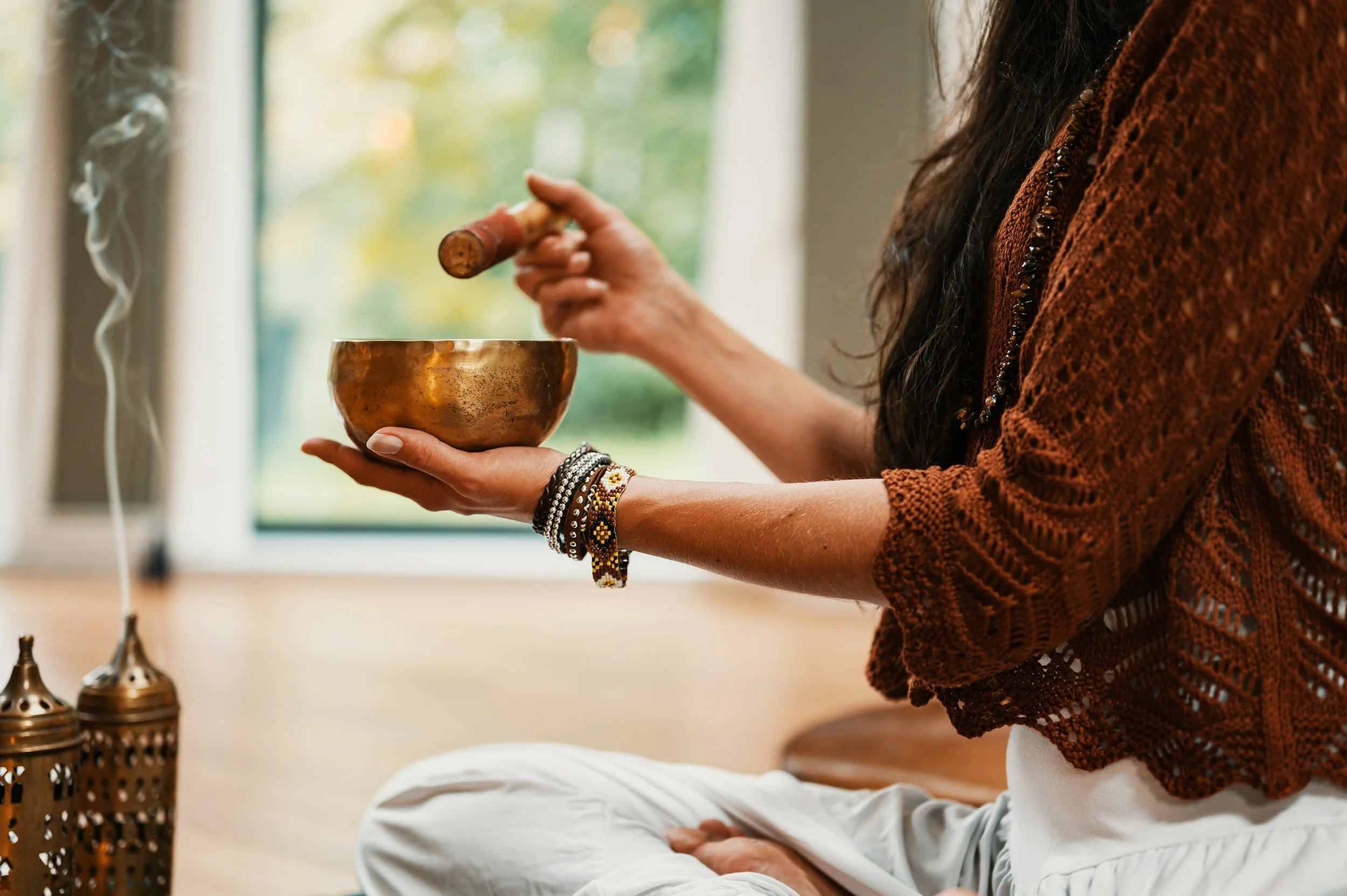
There is no single doorway into contemplative practice. Some traditions cultivate attention through silence or stillness. Others use repeated words, sacred texts, chanting, movement, breath, prayer beads, music, visualization, or time in nature. Some practices turn attention inward; others invite deep attention to the world around us.
Within Buddhism, meditation may cultivate mindfulness, concentration, insight, loving-kindness, or compassion. Yogic traditions include practices involving breath, mantra, concentration, and meditation. Sufi traditions have developed practices of remembrance, prayer, poetry, music, and movement. Jewish contemplative traditions include forms of prayer, sacred study, meditation, and mystical reflection.
Christianity also holds a deep contemplative lineage that is sometimes overlooked in contemporary Western Christianity. Mystics and monastics including the Desert Mothers and Fathers, Teresa of Ávila, Julian of Norwich, John of the Cross, Meister Eckhart, and many others explored prayer not simply as speaking to God, but as becoming increasingly receptive to Divine Presence.

Teresa of Ávila described prayer as an intimate relationship with the Divine—a practice of friendship, presence, and love. Centuries later, practices such as Centering Prayer would continue this contemplative stream by inviting practitioners into silence and receptivity rather than filling every moment with words.
These traditions are not all describing the same theology or pursuing identical spiritual goals. Honoring them means allowing their differences to remain. And yet, placing them alongside one another can reveal something beautiful about the human search for the Sacred: across centuries and cultures, people have discovered practices that help us become quieter, more attentive, and more receptive.
At Loto, we are interested in that place of receptivity. Not collecting spiritual practices simply because they make us feel better, but learning from them with curiosity and respect—allowing contemplative practice to deepen our relationship with ourselves, one another, Creation, and the Sacred.
Beginning a Contemplative Practice
Contemplative practice does not require hours of silence, a perfectly calm mind, or years of spiritual training. It begins with attention.
You might start with five quiet minutes.
Find a place where you can be relatively undisturbed and choose an anchor for your attention: the natural rhythm of your breath, a sacred word or phrase, the sensations of your body, a candle flame, the sounds around you, or something in the natural world.
When your attention wanders—and it will—notice where it has gone and gently return. There is nothing to achieve.
Some days may feel spacious and peaceful. Others may feel restless, distracted, emotional, or completely ordinary. Rather than judging the experience, practice becoming curious about what is present.
If silence feels uncomfortable or inaccessible, contemplation does not have to be still. Walking, creating art, listening deeply to music, tending a garden, sitting beside water, or moving slowly through a forest can all become practices of attention when approached with presence and intention.
Over time, the practice is less about becoming “good at meditation” and more about cultivating our capacity to notice.
To notice when we are present and when we have disappeared into thought.
To notice what our bodies are communicating.
To notice our habitual reactions.
To notice beauty.
To notice one another.
To notice the Sacred in places we may previously have overlooked.
Perhaps this is why contemplative practice has endured across so many traditions. It does not necessarily give us answers.
It teaches us how to listen.

The Practice of Presence
Contemplative practice is sometimes described as a way of going inward. And it can be. But perhaps its deeper invitation is to help us become more available to relationship.
As we learn to pay attention to our inner experience, we may also become more capable of paying attention to the person in front of us. As we learn to listen to our bodies without immediately judging them, we may become more curious about the experiences of others. As we practice noticing the natural world, we may begin to remember that we are participants within Creation rather than observers standing outside of it.
And as we become quiet enough to listen, we may become more receptive to the Sacred.
Different traditions give different names and meanings to what is encountered in contemplation: God, Divine Presence, Spirit, Wisdom, Love, Consciousness, Mystery. Contemplative practice does not require us to collapse those differences into a single theology. It invites us to become present enough to encounter what is here.
At Loto, this is why contemplation is woven through so many of our practices—not as an escape from ordinary life, but as a way of becoming more available to it. Perhaps the invitation is as simple—and as difficult—as the ancient words remind us: Be still, and know.