
What We Hide in the Shadows
“Descent is not about finding light but about going into the darkness and befriending it. If we remain there long enough, it takes on its own luminosity. It will reveal everything to us.”— Sue Monk Kidd
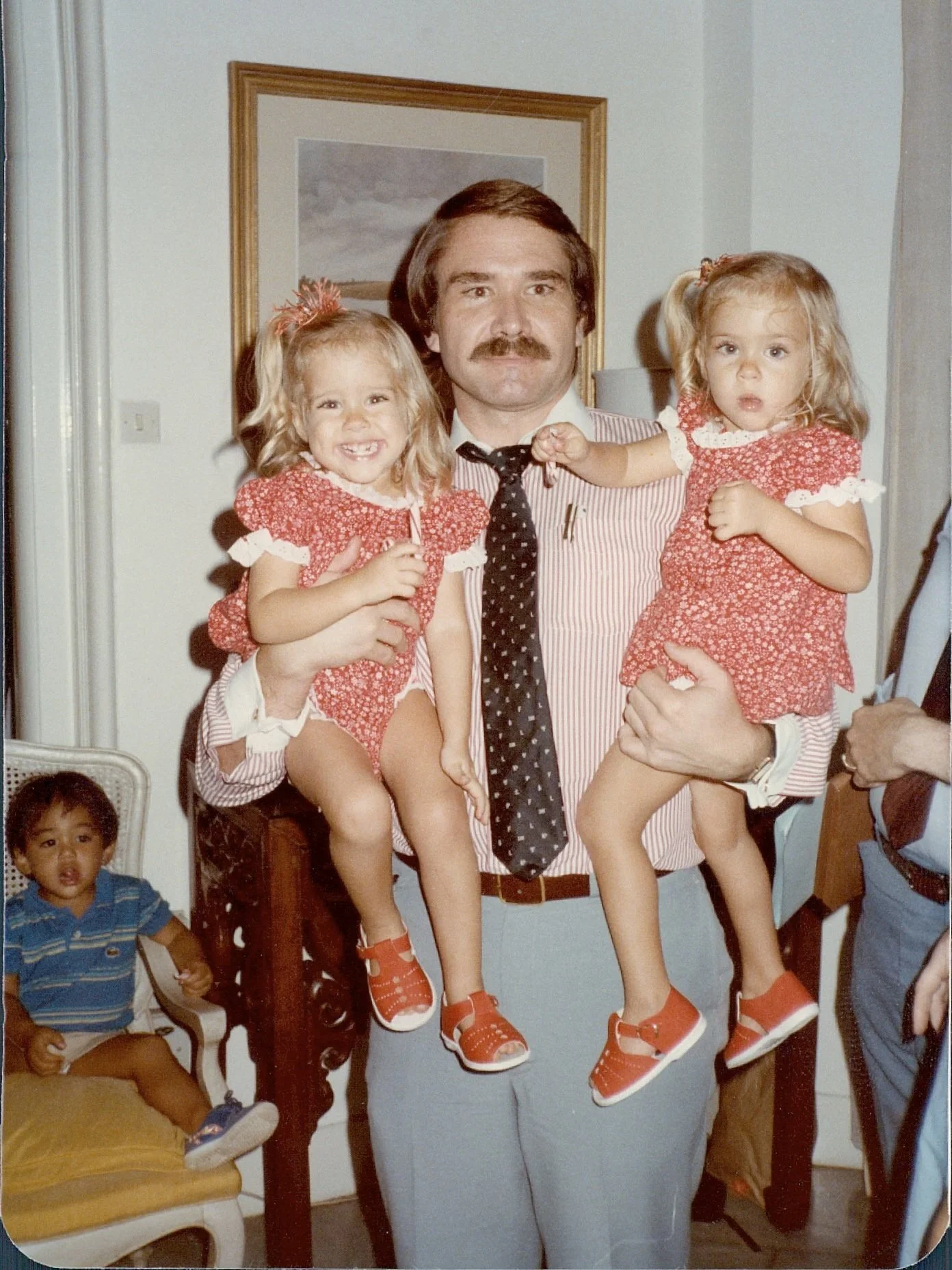
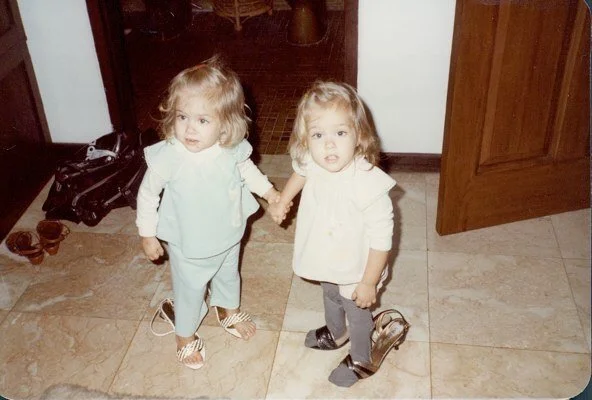
Me, my twin sister and dad in Indonesia (1980s)
October 5th, 2026
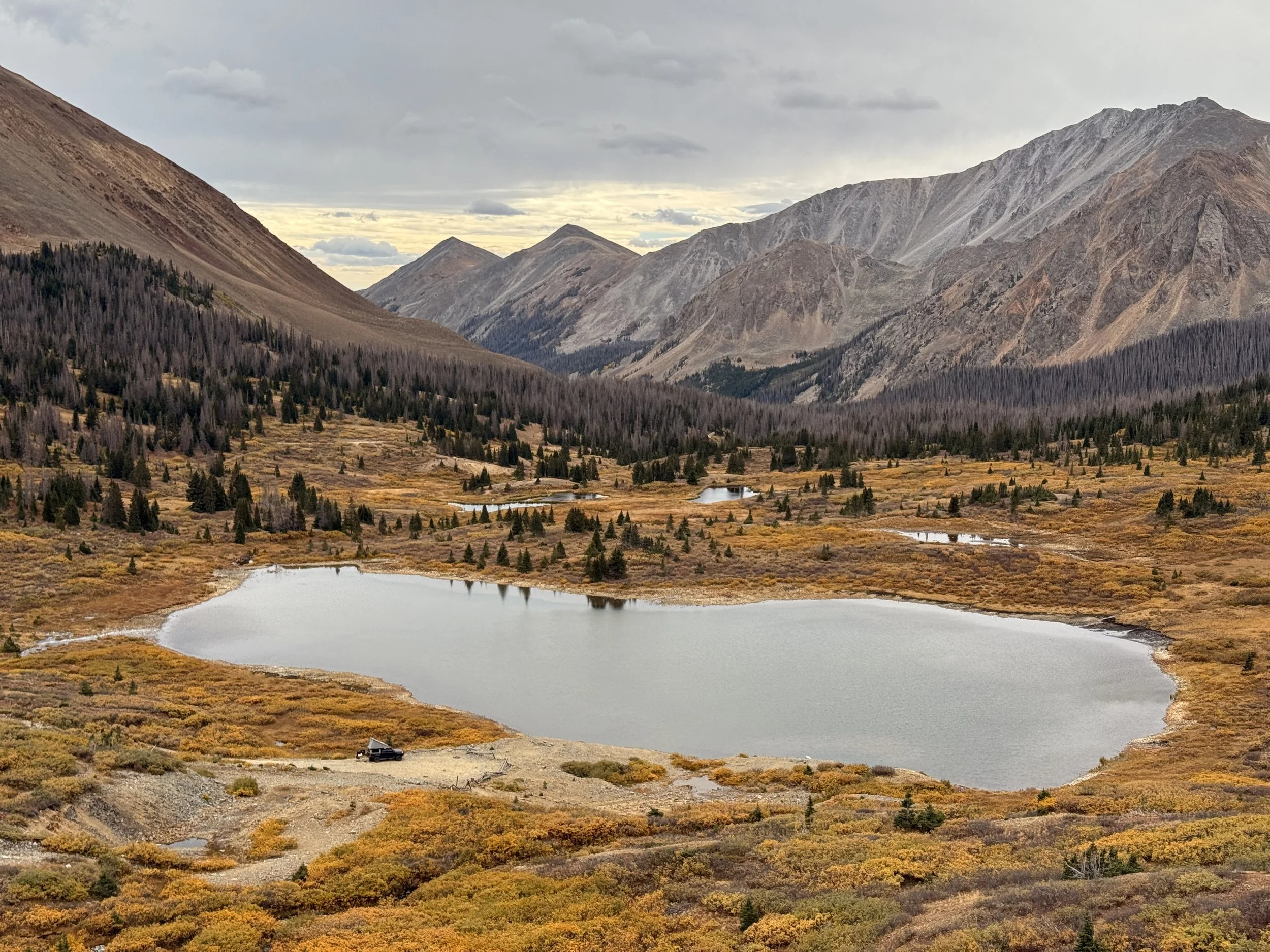
📍House of Loto — Salida, Colorado, USA 🇺🇸
Greetings from the wilderness!
Transformation asks us to become practiced in letting go. Identities. Beliefs. Relationships. Expectations. Old patterns. Versions of ourselves we have outgrown but still struggle to release. Sometimes we know something needs to die:
We know the relationship has changed.
We know the belief no longer fits.
We know the identity has become too small.
We know the pattern is hurting us.
And still, we cling. Why?
As someone who loves research (aka- wishes she could afford to get her PhD), I've spent the last five years digging deeper into depth psychology, the intersection of the nervous system and the soul, esotericism, Eastern worldviews, and the mystical traditions within the world's major religions—from the Christian mystics of my own spiritual mother tongue to Sufism, Kabbalah, and beyond.
And one of the ideas I keep encountering, across traditions and disciplines, is an invitation to reconsider our relationship with death. Not simply physical death, but the many deaths that accompany transformation: the death of an identity, a worldview, a certainty, an attachment, an old way of understanding ourselves or God.
I'm learning not to fear these deaths quite so much, because death has a way of revealing what we're holding onto. While death reveals attachment and asks us to let go, the shadow shows us why we can't…
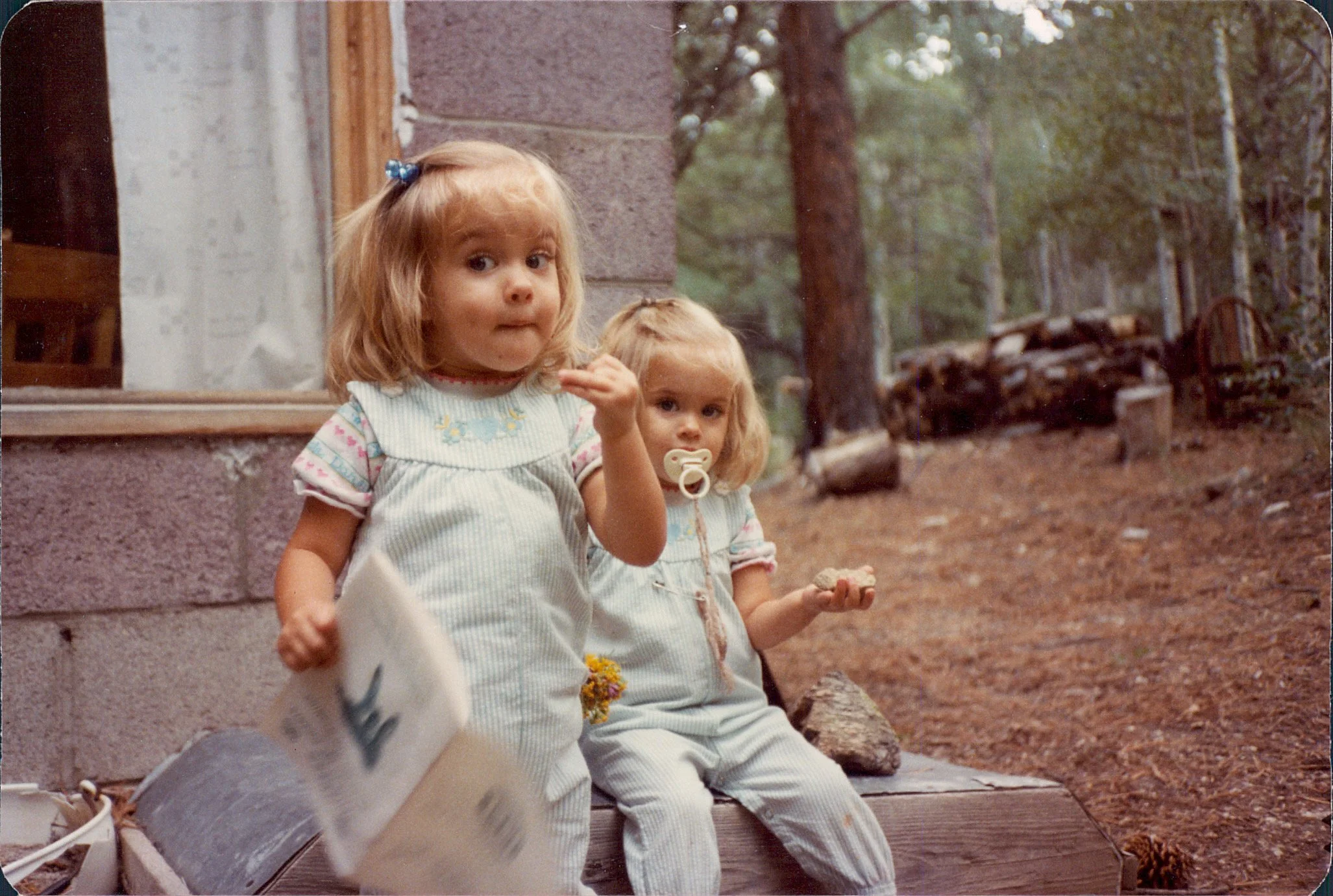
At the cabin (before it was the House of Loto) in the early 80s
Beneath the things we struggle to release, there is often something else waiting to be seen.
Fears. Wounds. Stories we've been telling ourselves for so long that we've mistaken them for Truth. Needs we've never acknowledged. Parts of ourselves we learned long ago to hide. And perhaps even beliefs we inherited so early, and absorbed so completely, that we never realized we were allowed to question them.
This is where the shadow becomes one of our greatest teachers, because it holds what we have not yet been willing—or perhaps ready—to see…
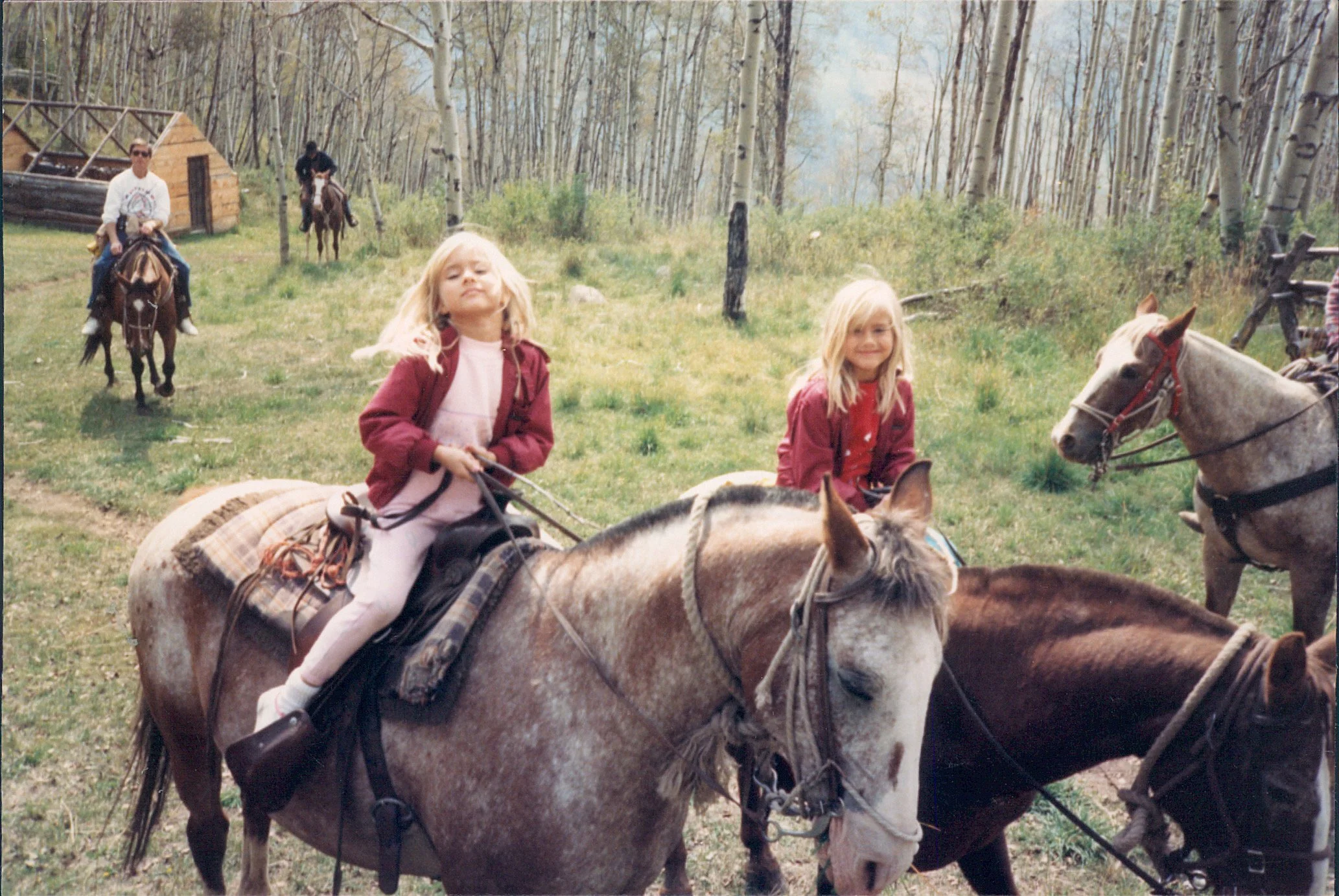
The late 80s
But what exactly are we talking about when we call something our shadow?
It's easy to imagine only the darkest parts of ourselves—the anger, jealousy, fear, shame, selfishness, resentment, insecurity, or wounds we'd rather no one see. But the shadow isn't simply everything "bad" about us.
And that learning begins early.
We discover which versions of ourselves receive love, praise, belonging, safety, or approval—and which don't. Maybe you learned that anger made you difficult, so you became agreeable. Maybe confidence made other people uncomfortable, so you learned to make yourself smaller. Maybe sensuality was sinful or ambition selfish. Maybe grief was weakness and questioning was unbelief.
If you're like me, you learned that your body and your intuition couldn't be trusted. Maybe your needs made you "too much." And so we adapt. We learn what belongs in the version of ourselves that seems acceptable to the world—and what needs to be pushed underground.
But I'm also learning to have compassion for those versions of myself. They weren't failures. They were adaptations. They learned how to keep me safe, how to help me belong, how to remain within the comfort of the familiar.
Perhaps transformation doesn't require us to reject those former selves any more than shadow work asks us to reject the parts we've hidden. Perhaps what needs to die is the version of ourselves we needed in order to remain safely within the comfort of the familiar.
We can honor who we needed to be—and still recognize that we don't need to be her anymore.
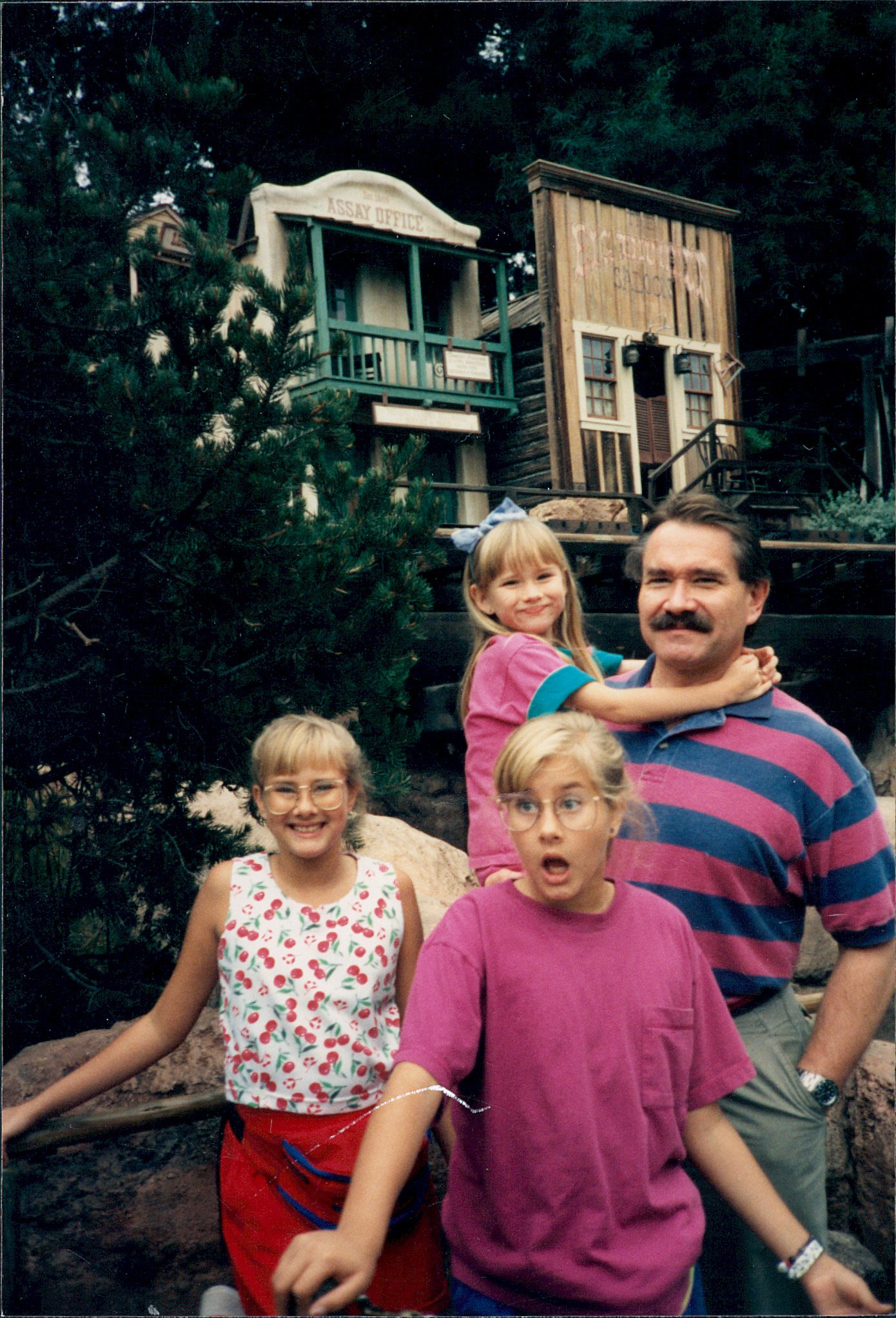
1990s
What fascinates me about shadow work is that we don't only exile the things we dislike about ourselves. We exile beautiful things, too—Power. Creativity. Sensuality. Confidence. Desire. Wildness. Intuition. Play. Anger that knows when a boundary has been crossed. The courage to take up space. Even our capacity to receive love.
Anything we learned was unacceptable can become shadow. Which leaves me asking: How much of what I've hidden was ever actually mine to be ashamed of in the first place?
Because none of us developed our ideas about what is acceptable and unacceptable in a vacuum. We inherited them—from our families. Our religions. Our cultures. Our gender roles. Our communities. Our histories. From systems that were shaping our understanding of ourselves and the world long before we were conscious enough to question them.
We inherited stories about what makes someone good, worthy, holy, successful, feminine or masculine, civilized, dangerous—or what makes someone belong.
And some of these stories have been repeated for so many generations that they no longer feel like stories. They feel like truth.

PADI scuba certification dive at 12 years old
This is one reason my own deconstruction has expanded far beyond questioning inherited theology. Increasingly, I'm interested in examining the entire architecture of what I've been taught to believe—about God, myself, other people, success, gender, power, the body, nature, and even what we call "normal."
It has also made me increasingly curious about decolonization: the work of examining which ways of knowing were centered, which were dismissed, and which assumptions I inherited from the culture that formed me.
Not because everything inherited is wrong. And not because everything old needs to die. But because I want to know the difference between what I consciously choose and what I simply absorbed from the systems and cultures that formed me.
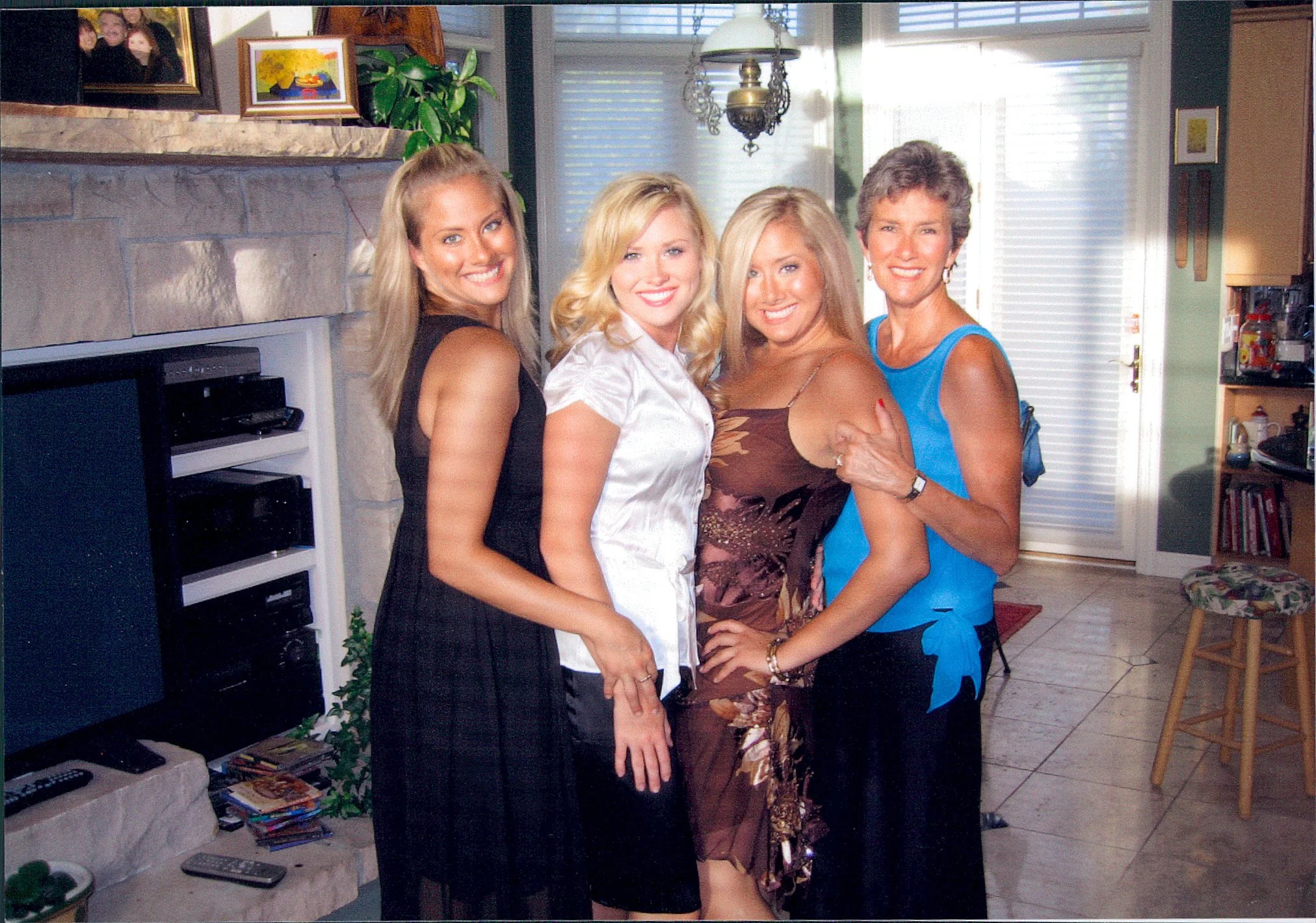
Me (in the brown), my sisters and mom in the mid 2000s
So I find myself asking: Who taught me to believe this? Where did this story come from? Is it actually true? Is it even mine? And perhaps the most uncomfortable question: What—or who—did I learn to reject in order to belong? Because whatever we reject doesn't necessarily disappear.
Sometimes we bury it deep within ourselves. And sometimes we become very good at finding it in everyone else…More on that next week.
With Love,
Jennifer
1- American Psychological Association. (n.d.). Shadow. In APA dictionary of psychology. Retrieved October 1, 2026, from https://dictionary.apa.org/shadow
P.S.—I’d love to hear from YOU! Rather than emailing me or dropping me a DM, please post a comment below 👇
Disclosure: This post may contain affiliate links. If you click through a link and make a purchase, it may earn me a small commission, at no additional cost to you! See our disclaimer for details.
Keep Reading…
Dig Deeper…
While death reveals attachment and asks us to let go, the shadow shows us why we can't…