
Healing in Relationship
“Comparison is the thief of joy.” — Kay Morrison
September 21st, 2026
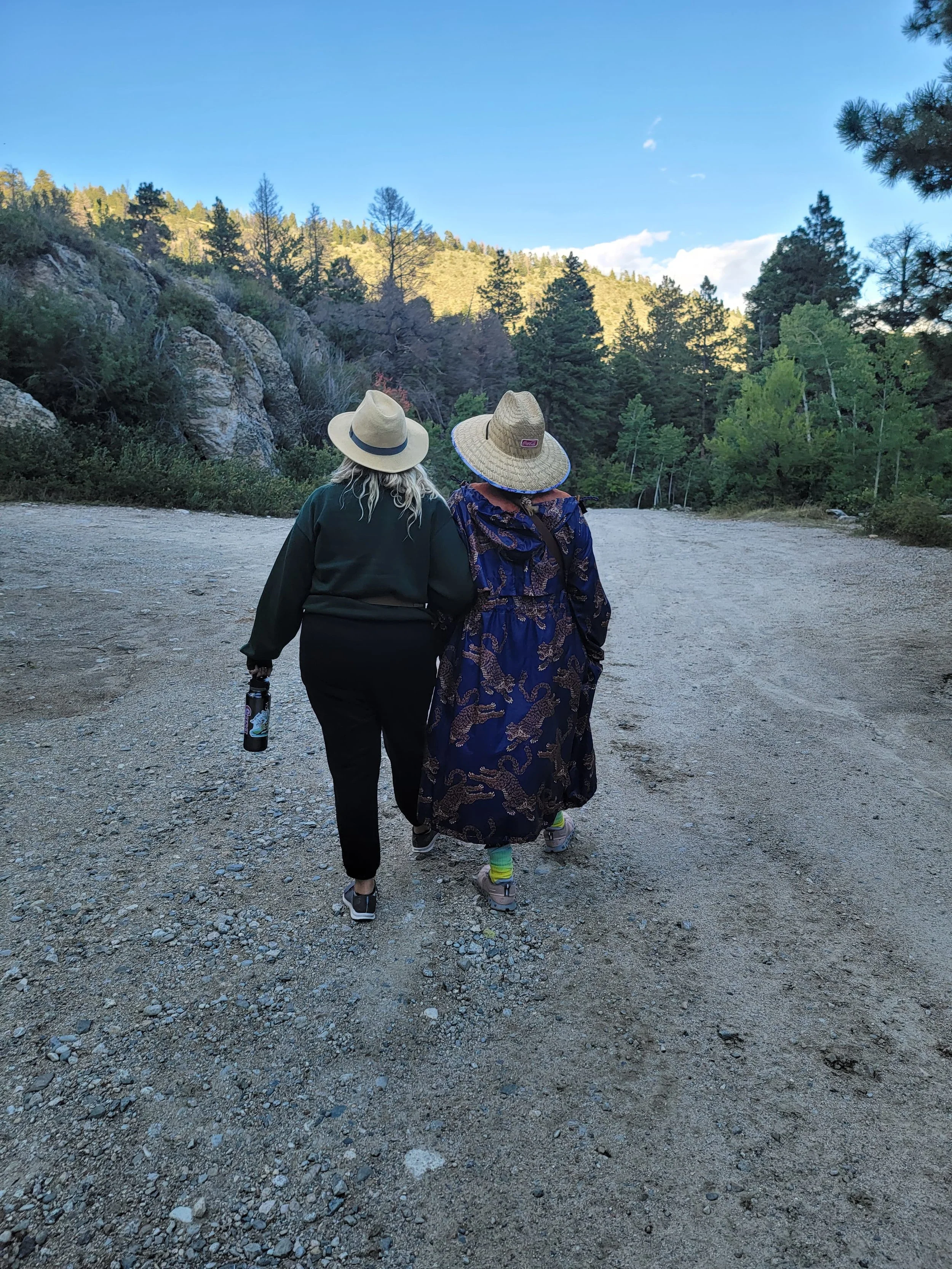
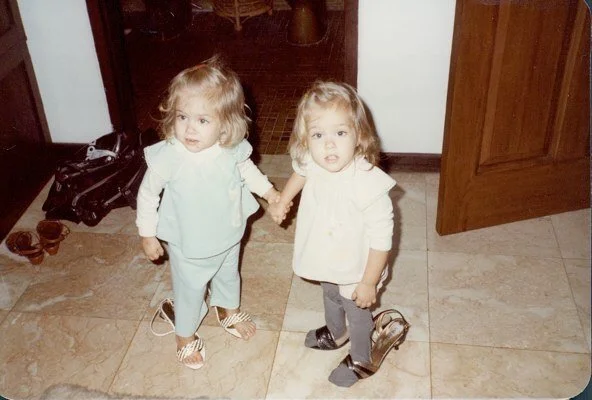
My twin sister and me at the AWAKEN retreat in 2025
📍House of Loto — Salida, CO, USA 🇺🇸
Greetings from the wilderness!
I've spent the last few weeks writing about relational abundance—learning to receive from one another, practicing reciprocity, and participating in the communities we want to belong to.
But there's an elephant in the room. Relationships aren’t just about abundance; they’re also where many of us have been hurt.
I don't have to look very far to find my own wounds around sisterhood. Growing up as an identical twin meant comparison was woven into my experience of being human, starting in vitro.
Who was growing faster? Who was more outgoing? More athletic? More creative? Who got better grades? Who was thinner? Who was more liked? Many times those comparisons came from other people. Sometimes we made them ourselves.
My twin sister and me in the 80s
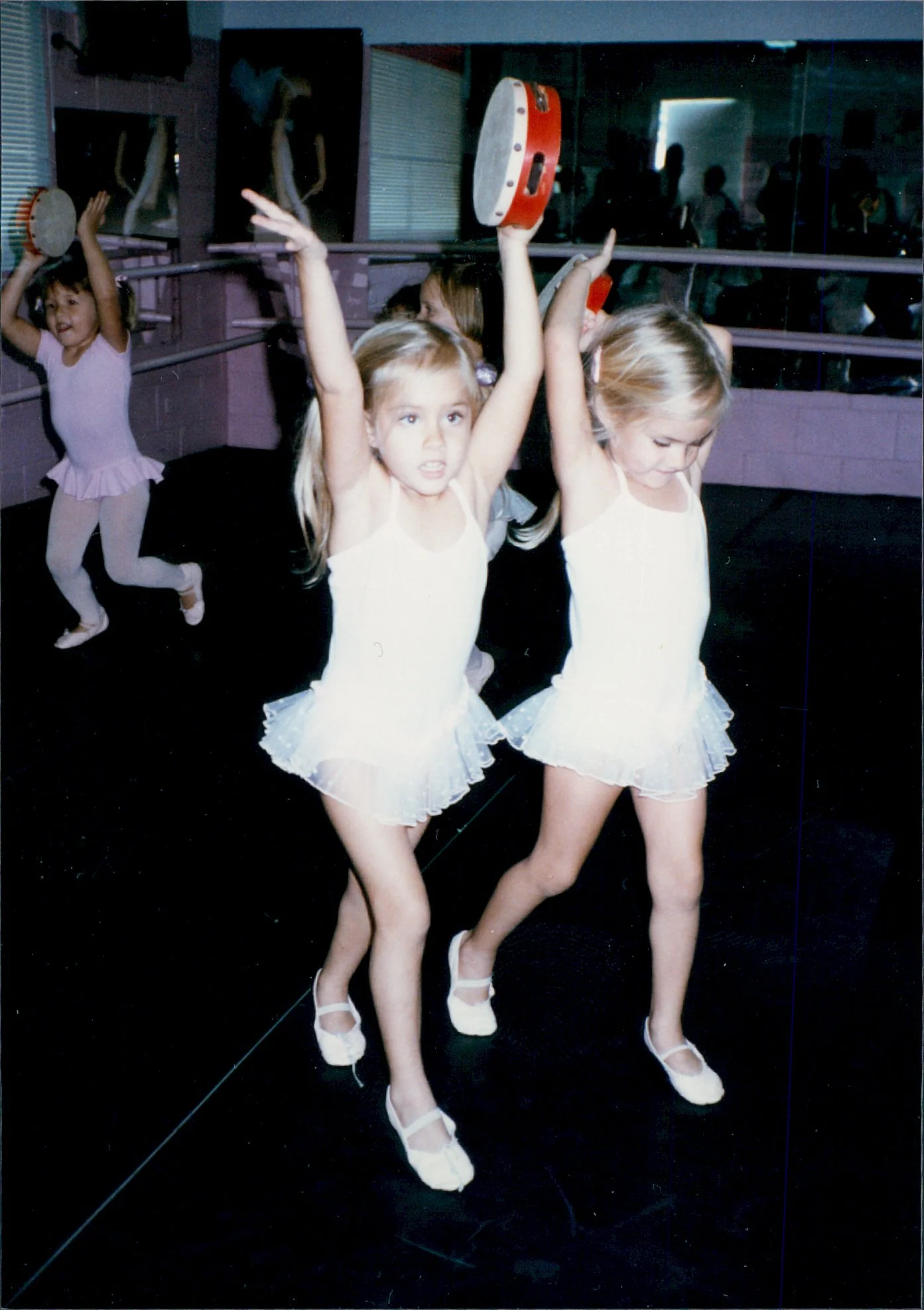
Oh, the 80s
When you're constantly being compared to someone who looks nearly identical to you, it can become difficult to know where we ends and I begin ( a lack of individuation). Difference can start to feel like something that has to be established and defined rather than something that can simply exist.
And competition can quietly find its way into sisterhood.
I've had to do a lot of work as an adult to understand those patterns—not because sisterhood itself was the problem, but because many of my earliest experiences of being in relationship with another woman taught me to locate myself through comparison.
Who am I next to you? Where do I stand? What belongs to me? Am I allowed to become different from you and still belong with you?
Those aren't questions I answered once and moved on from. They still surface. And that's part of why the Sister Circles have mattered so much to me personally.
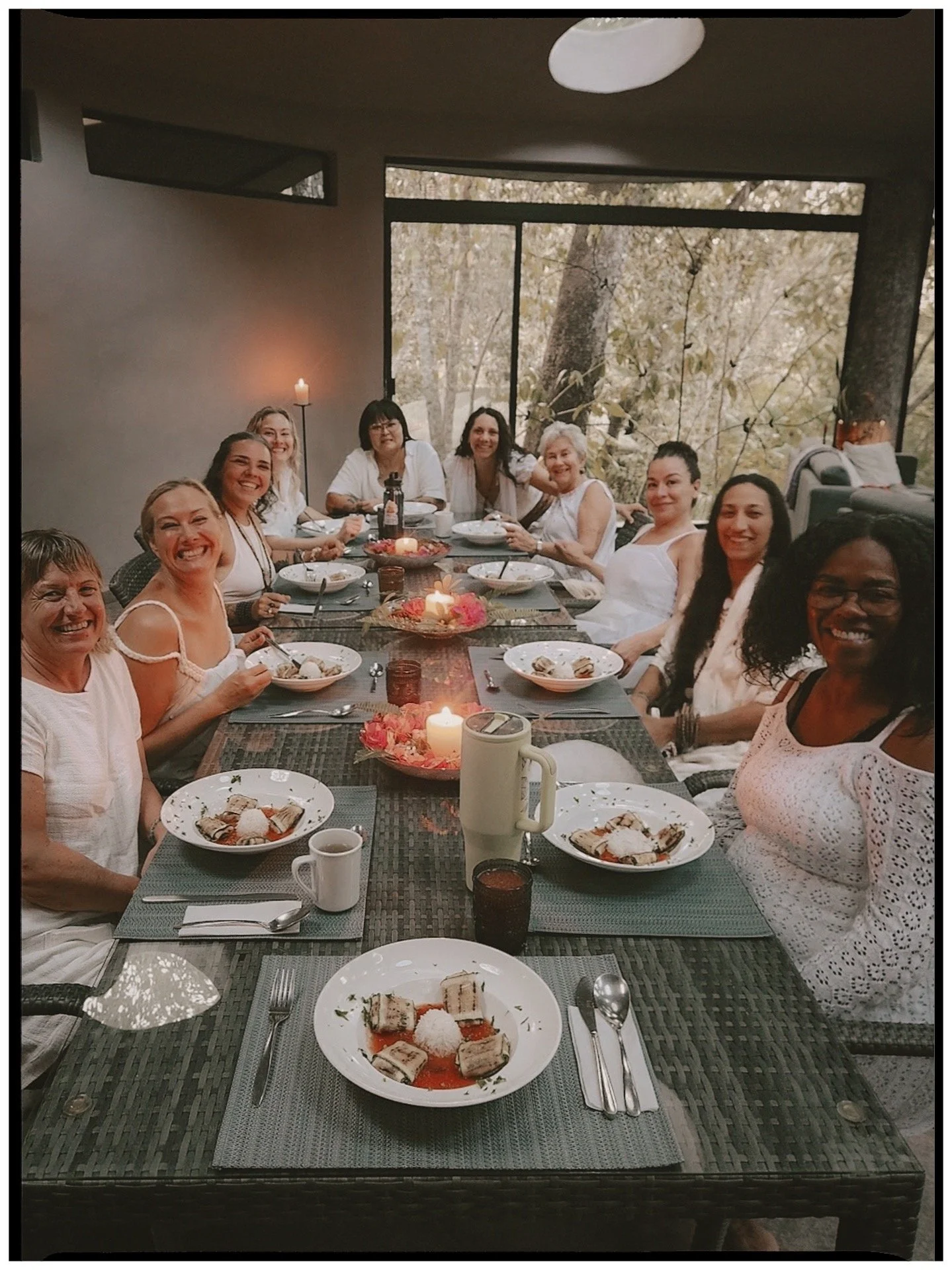
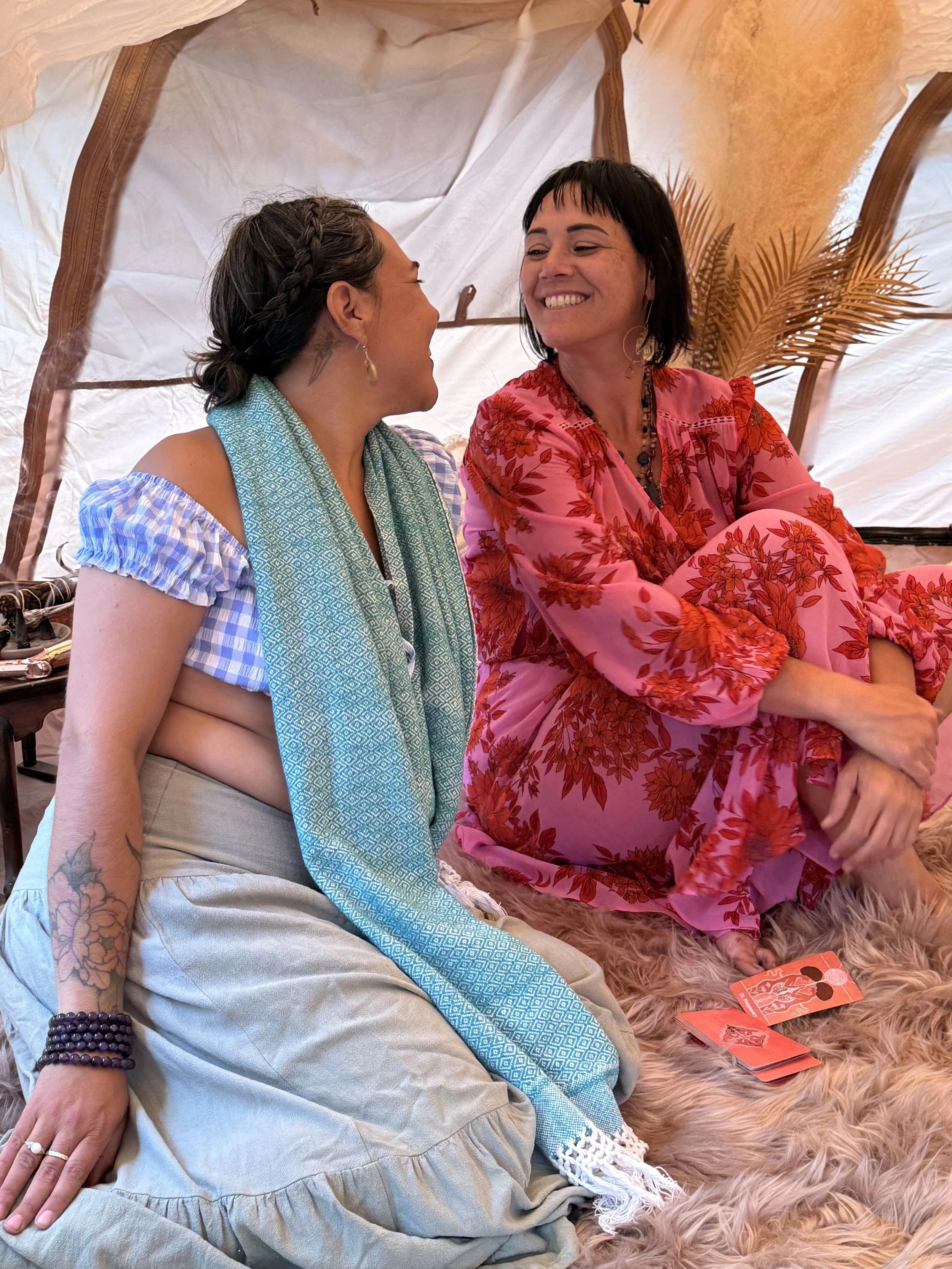
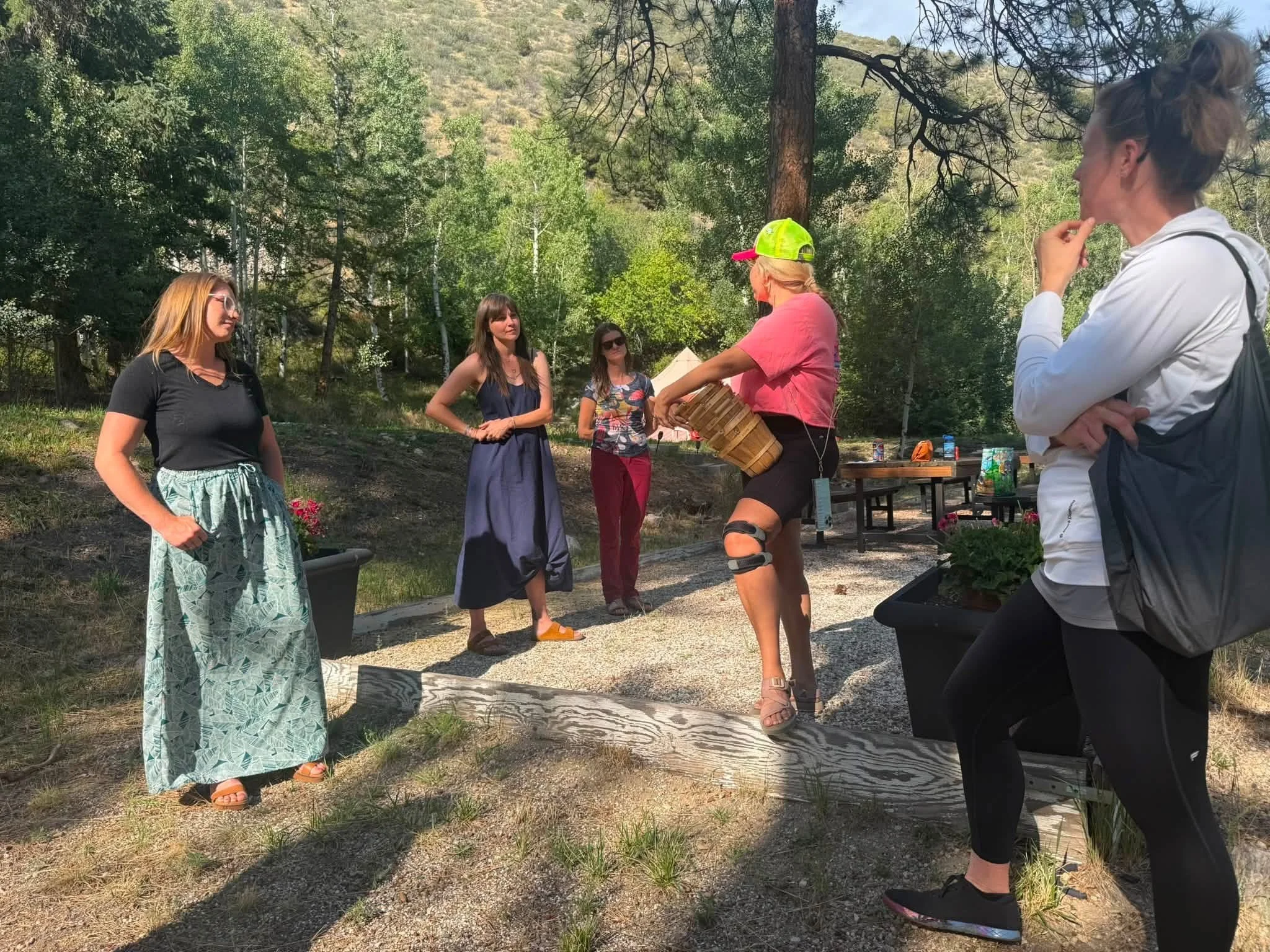
Some of the women in out WE
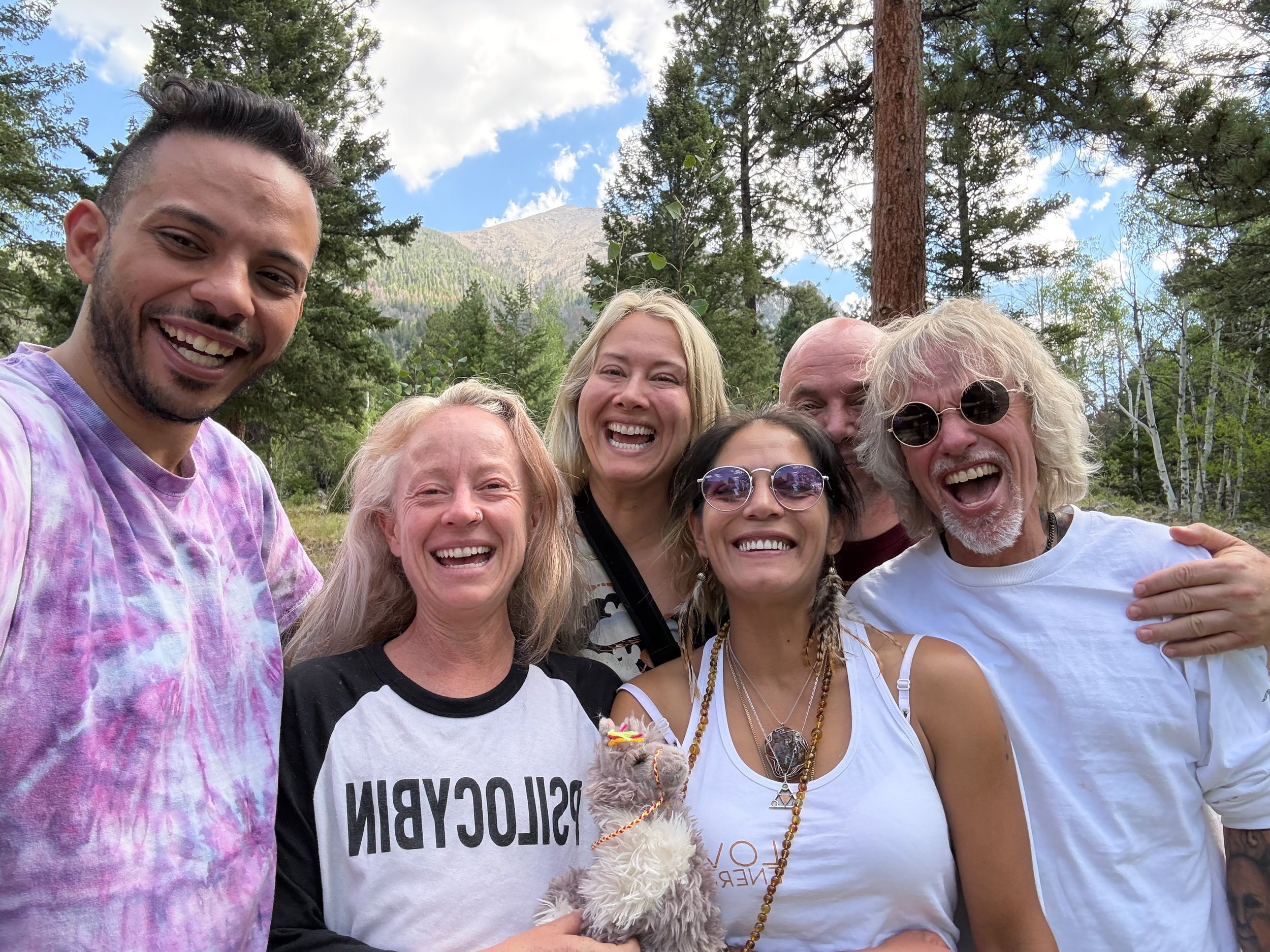
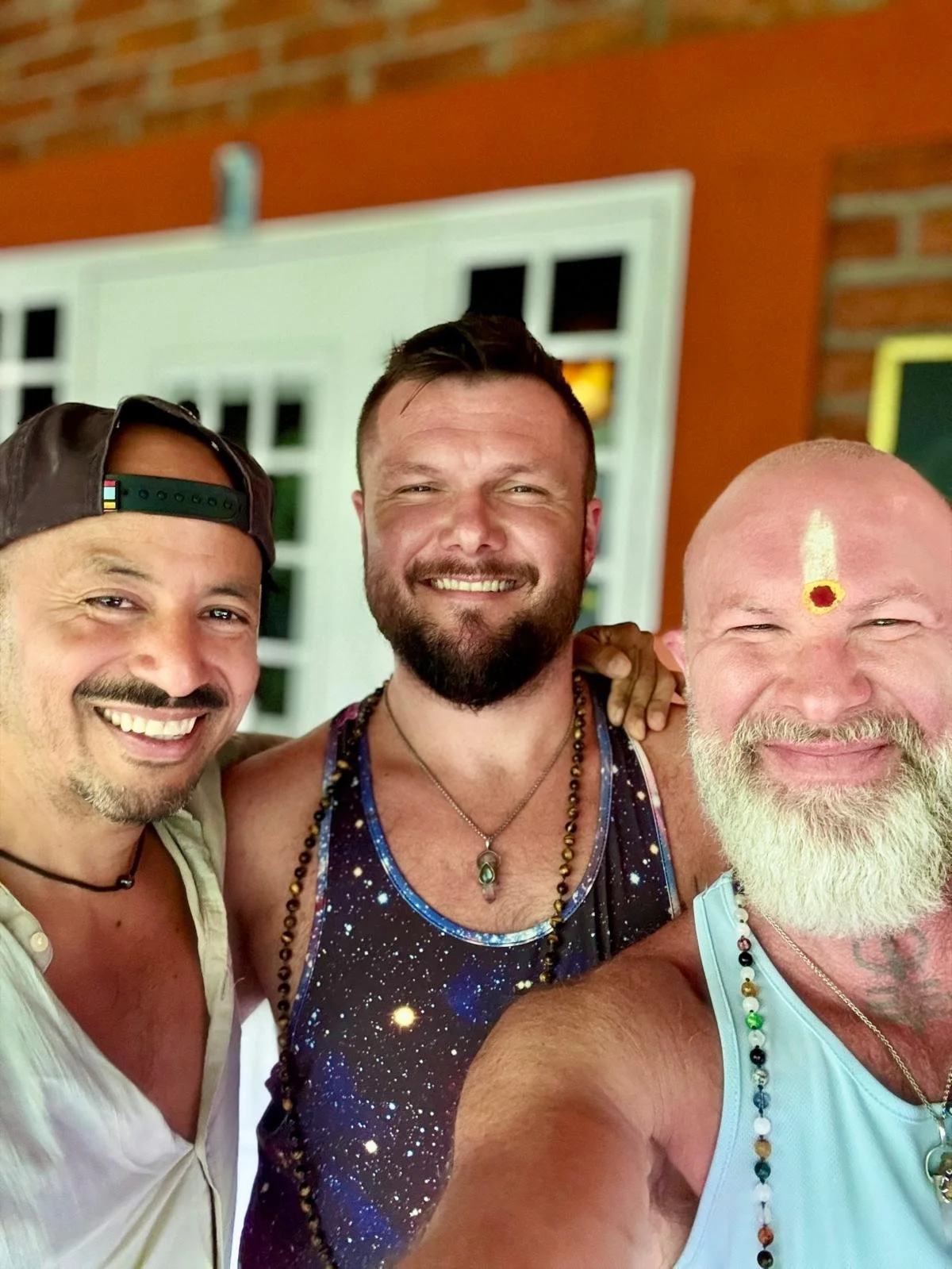
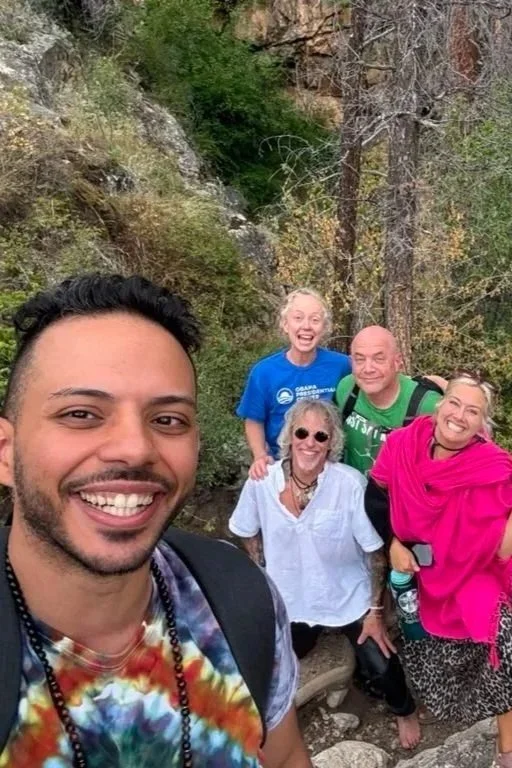
JuanPa (left) and Aeon (center) who are leading our first Brother Circle
I'm not standing outside these spaces facilitating something I think other women need. I'm practicing, too.
Practicing being in relationship without comparison determining my worth. Practicing allowing difference without experiencing it as the need for distance. Practicing letting other women witness me without needing to perform, compete, or prove where I belong.
And now, as we prepare to open our first Brother Circle, I've been thinking about the different wounds and stories men may carry into relationship with one another.
The stories may not look the same. But the question underneath them feels familiar: How do we learn to trust vulnerability in relationship?
I don't think the answer is simply finding the right people who will never disappoint us, misunderstand us, trigger us, or hurt our feelings. Those people and that community don't exist.
And I don't think healing means becoming so self-aware, independent, or boundaried that other people can no longer affect us. Maybe part of the work is learning to notice when an old wound has entered the room.
To recognize when comparison, competition, defensiveness, fear, or the urge to withdraw begins shaping how we see one another. To speak honestly when something hurts and listen when someone else's experience challenges our own. And sometimes, to recognize when a relationship (especially when it’s steeped in comparison) truly isn't healthy and have the courage to step away.
I'm realizing there are parts of my relational healing I simply cannot do alone. I can understand my patterns alone. I can journal about them, pray about them, trace where they came from, and become increasingly aware of when they show up.
But eventually, I have to practice something different with other people. Relationships don't just give us somewhere to practice what we've learned. Relationships become a mirror. Other people reflect things back to us that can be difficult to see on our own.
Sometimes the reflection is beautiful. Someone sees courage, tenderness, creativity, or strength in us that we've struggled to recognize in ourselves. And sometimes the reflection is much less comfortable. Someone else's success activates comparison. Somebody else’s neediness makes me want to pull away or get defensive. Something they say produces a reaction in me that feels wildly disproportionate to what actually happened.
It's tempting in those moments to focus entirely on the other person. Why are they bothering me so much? But I'm learning to ask another question: What is this relationship showing me about myself?
Not every difficult interaction is a projection. Sometimes someone really has behaved badly, and a boundary needs to be drawn. Sometimes leaving is the healthiest response. But sometimes the intensity of my reaction is information.
There may be an old wound being touched. A fear I'm protecting. A part of myself I've rejected. Something I envy but haven't allowed myself to want or judge in another person because I haven't yet made peace with it in myself.
This is where relationship begins to lead us toward what C.G. Jung called the shadow—the parts of ourselves we've pushed out of sight, often because at some point we learned they weren't acceptable, lovable, or safe to express.
And relationships have an uncanny way of finding them. Maybe that's part of why relational WEaving can sometimes feel uncomfortable—and also be so transformative. I have to experience being different and still belonging. Being honest and still welcomed. Challenged without feeling rejected.
And when another person becomes a mirror for something I'd rather not see in myself, I have the opportunity to become curious about the reflection instead of immediately looking away or projecting.
That's what relational WEaving is becoming for me. Not the creation of communities where nobody ever gets hurt, triggered, or uncomfortable, but spaces where we can practice another way of being together—and perhaps see ourselves a little more clearly in the process.
Next week, I want to spend some time looking more closely at the shadow and what these uncomfortable reflections might have to teach us. But for now, I'll leave you with the question I'm asking myself: What are my relationships revealing to me about myself?
Because some wounds happen in relationship, but healing does, too.
With Love, unconditionally—
Jennifer
Disclosure: This post may contain affiliate links. If you click through a link and make a purchase, it may earn me a small commission, at no additional cost to you! See our disclaimer for details.
Keep Reading…
Dig Deeper…
When another person becomes a mirror for something I'd rather not see in myself, I have the opportunity to become curious about the reflection instead of immediately looking away or projecting.