
Into the Eremos
“In the desert, your thoughts echo in the silence.” — Unknown
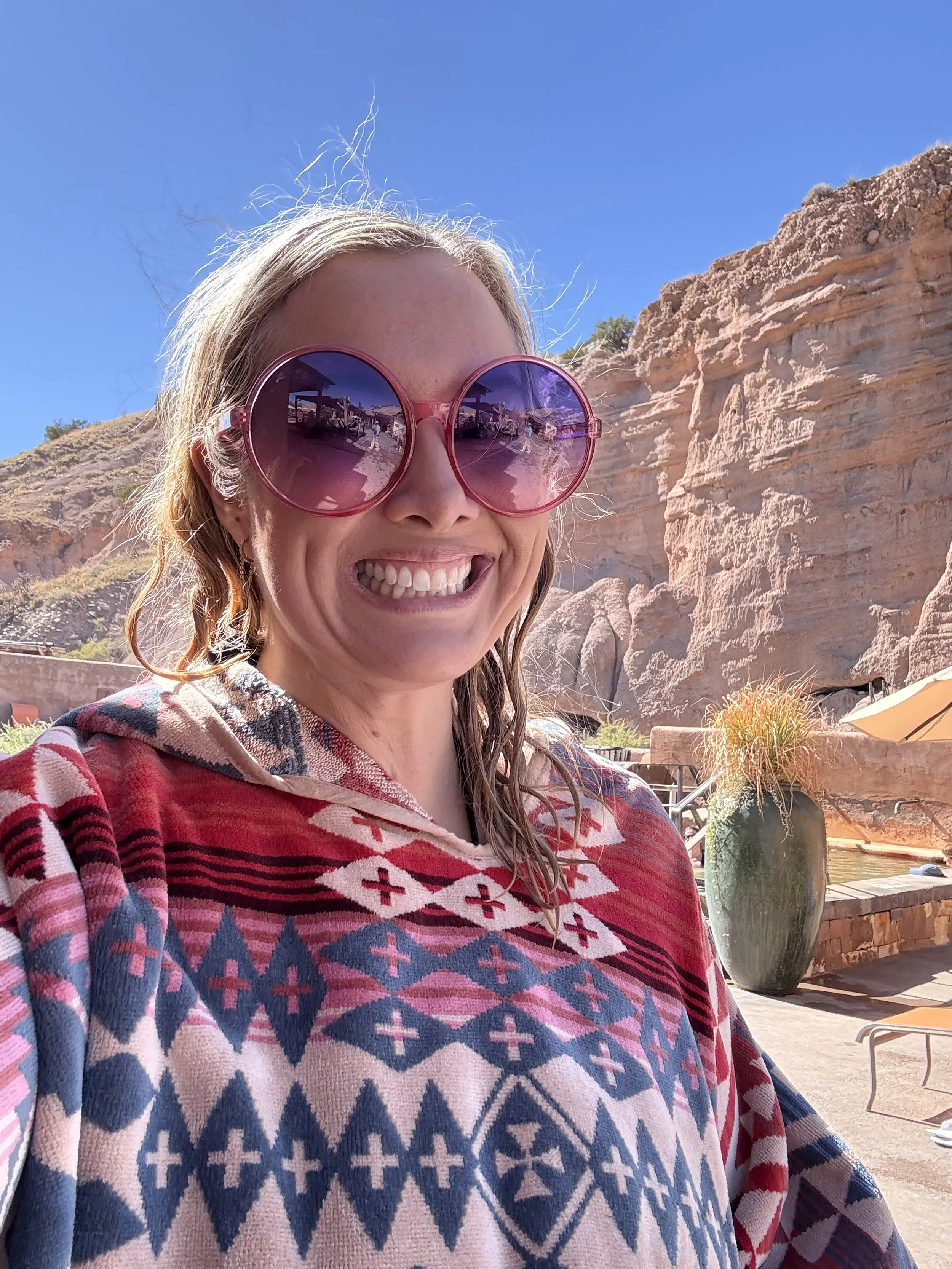
October 27th, 2025
📍Moab, Utah, USA 🇺🇸
Greetings from the wilderness!
I’m so glad to finally be back on the road, car camping through the American Southwest (I’m writing this on Thursday evening). After a failed start, I will caravan with my two sisters, mother, and two nieces through Moab, Utah. We will be spending the weekend at the Hoodoo Moab, Curio Collection by Hilton, which was voted one of The Reader’s Choice Best Southwestern Hotels & Boutiques by the Zoe Report for 2025. It looks perfect for this girl’s trip with my young nieces.
After checking out on Sunday morning, I will say goodbye to the family and head back out on the road solo.
In preparation for this leg of my trip, I did a lot of research about the state of the National Parks during a government shutdown, and was pleased to learn that the Grand Canyon did not fully close. I have a campsite on the North Ridge reserved, and will drive from there down to Sedona, Arizona, Monday afternoon in time for my photoshoot on Cathedral Rock.
As I perpare to enter back into the desert by myself, I’m reminded that I know the Eremos well. In Greek, Eremos means “the desert” — desert doesn’t necessarily mean sand and heat, it can be translated as deserted place, desolate, solitary, lonely, quiet, or wilderness.
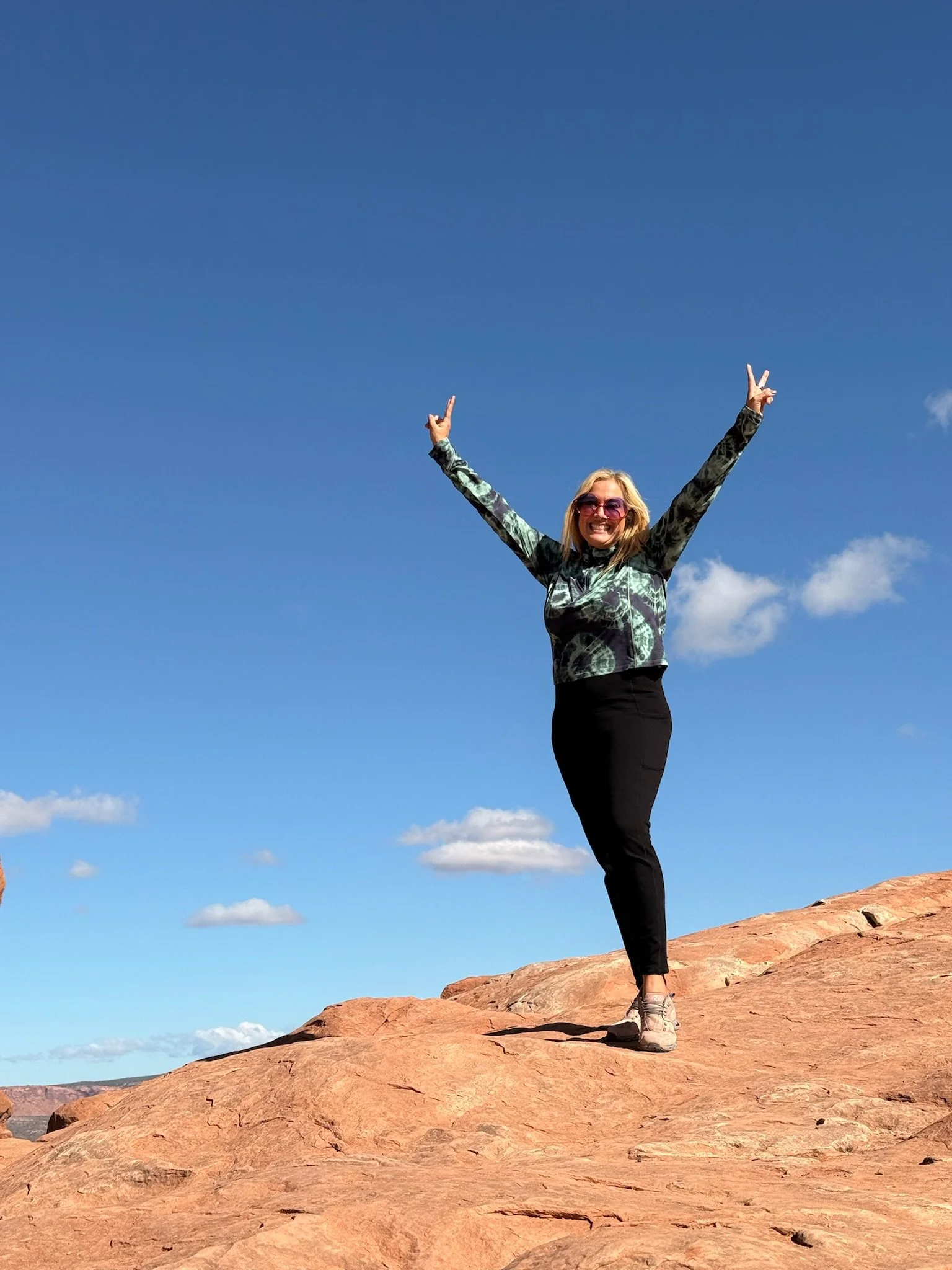
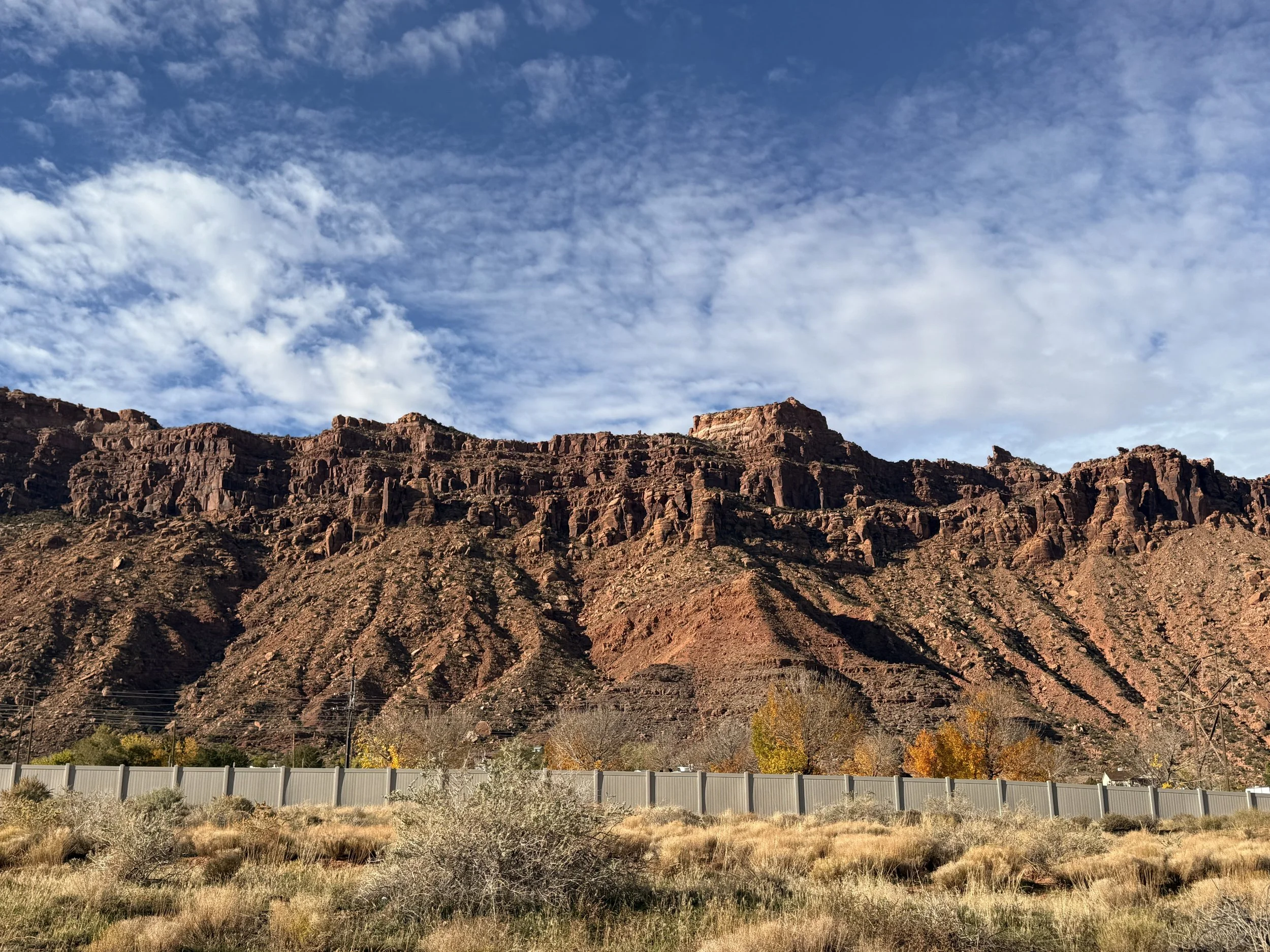
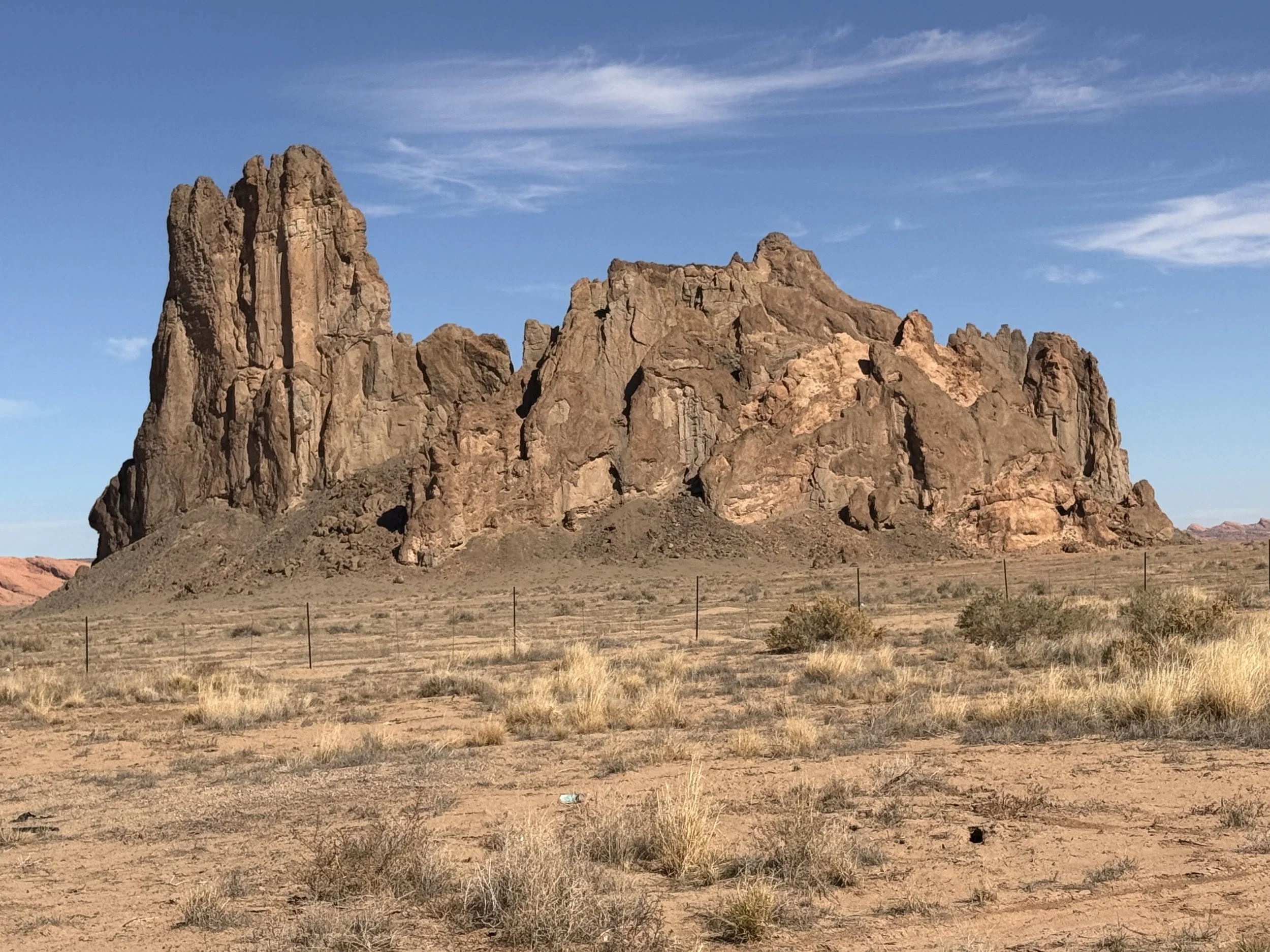
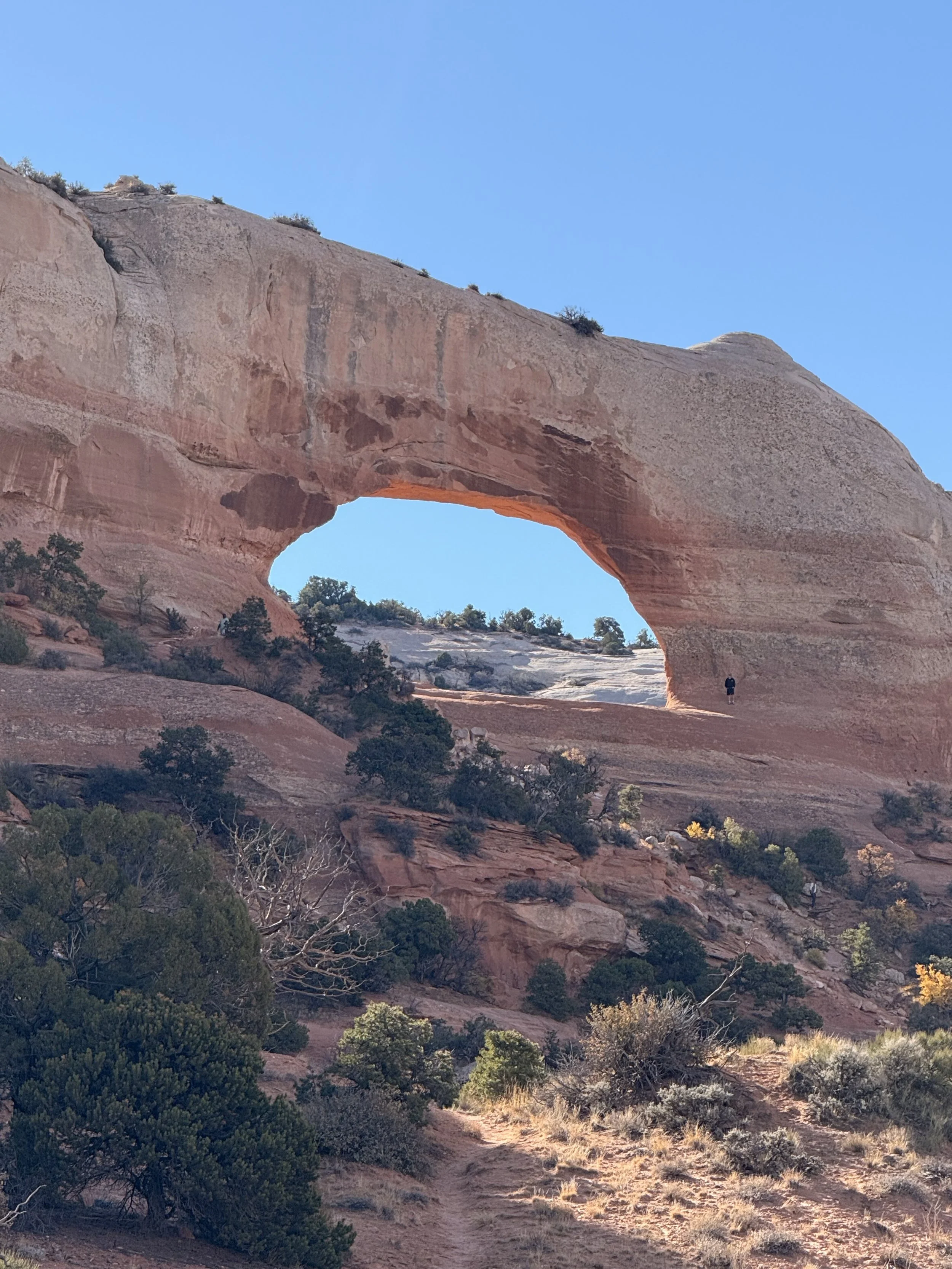
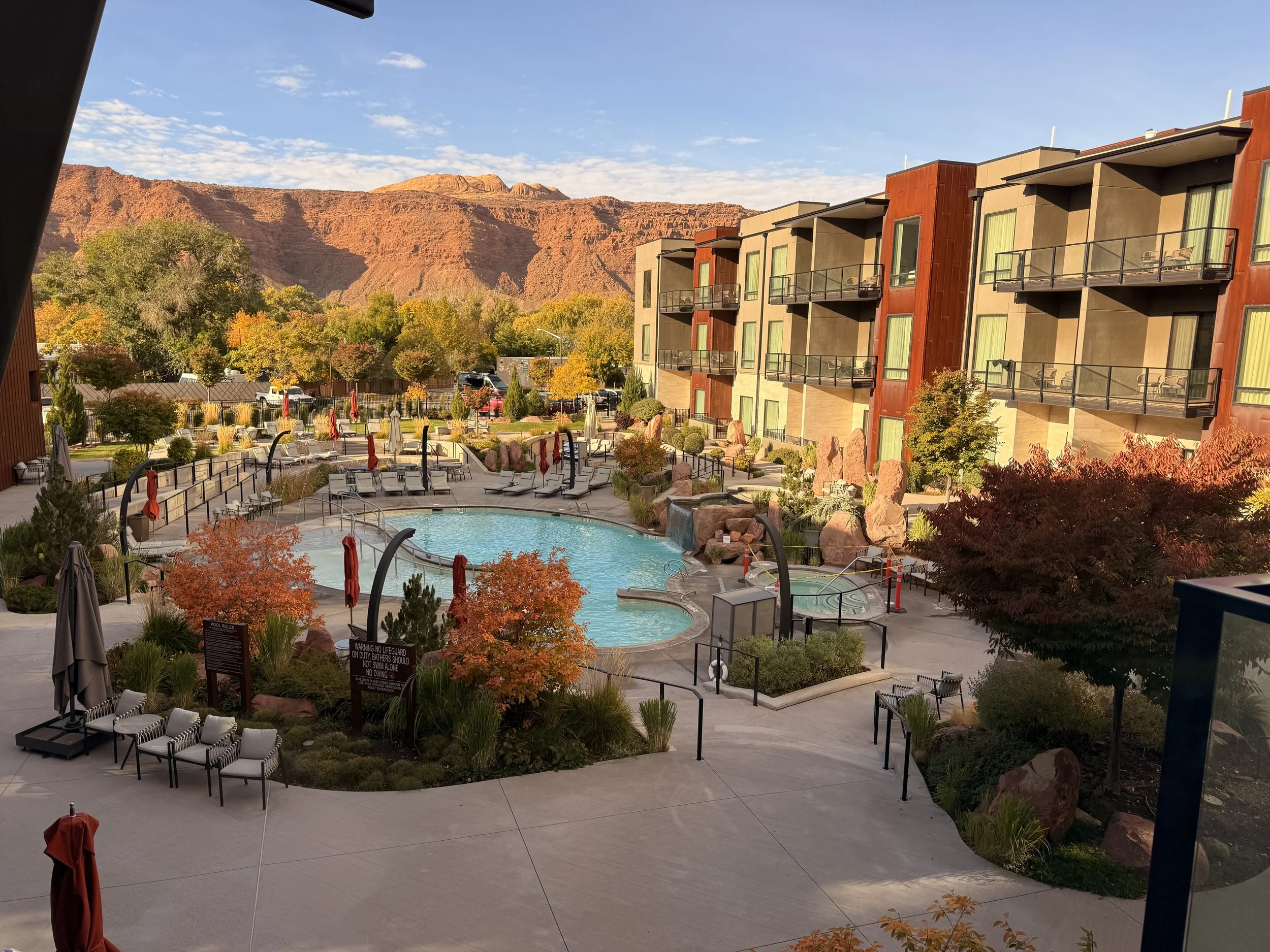

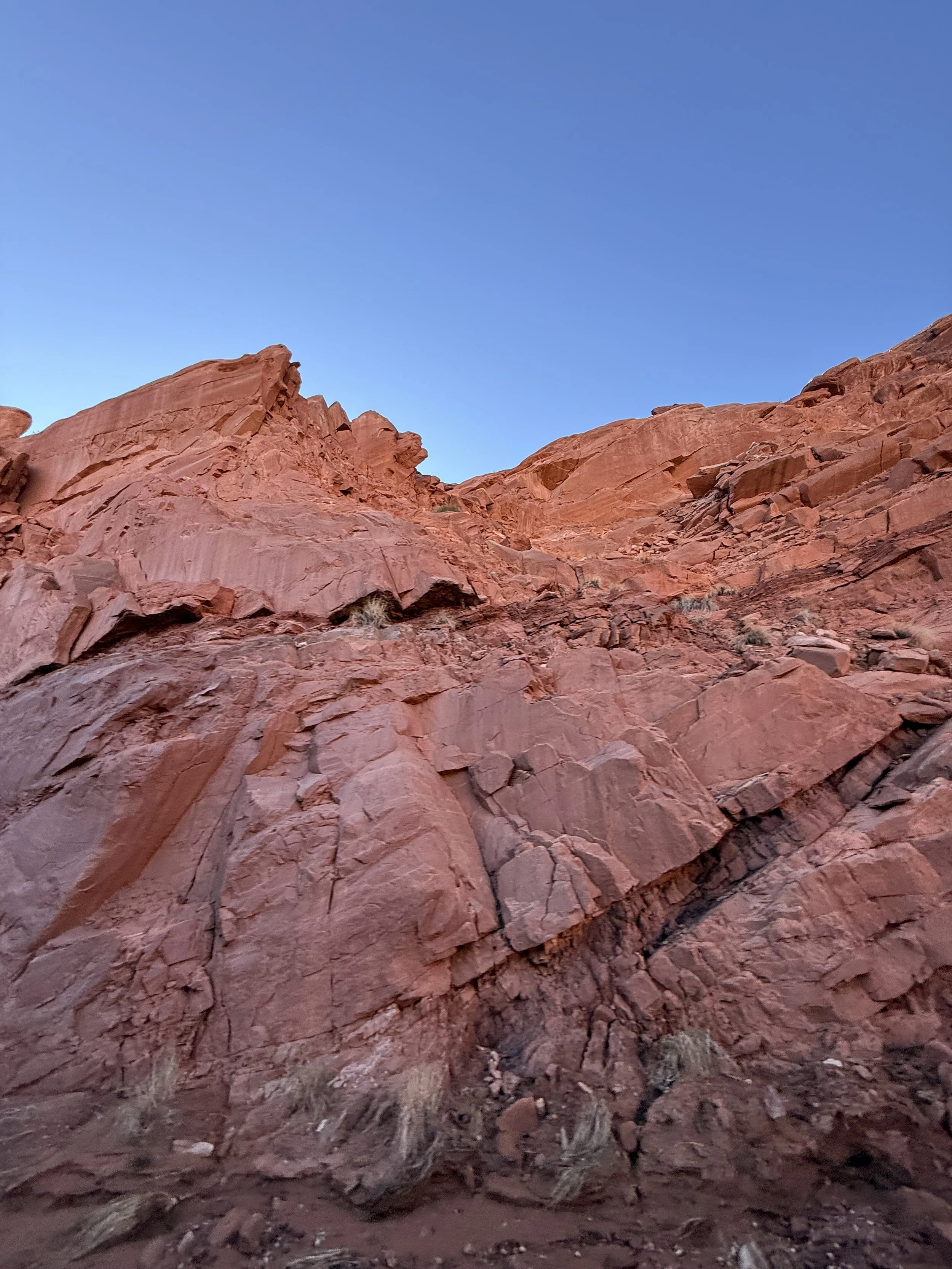
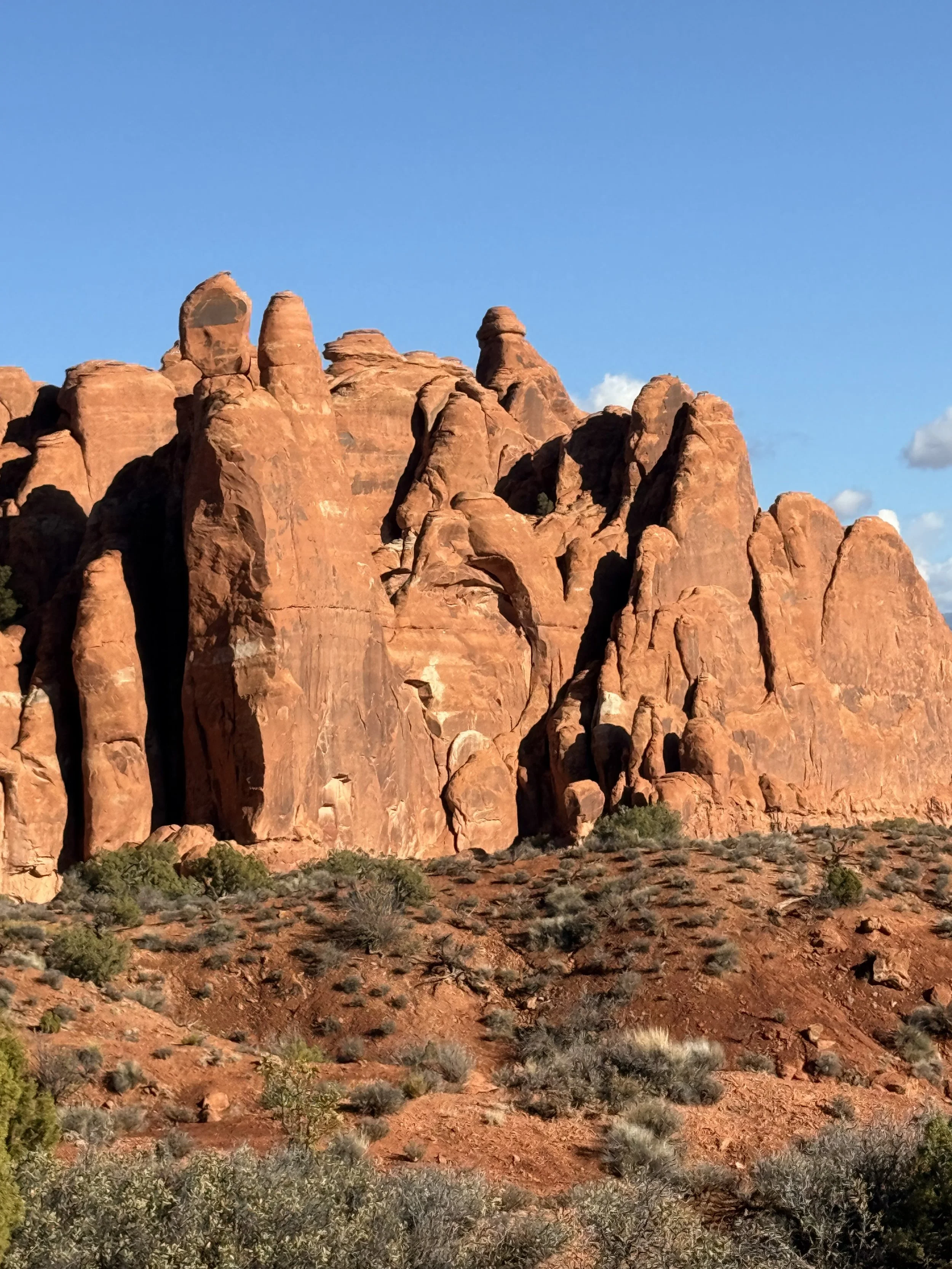
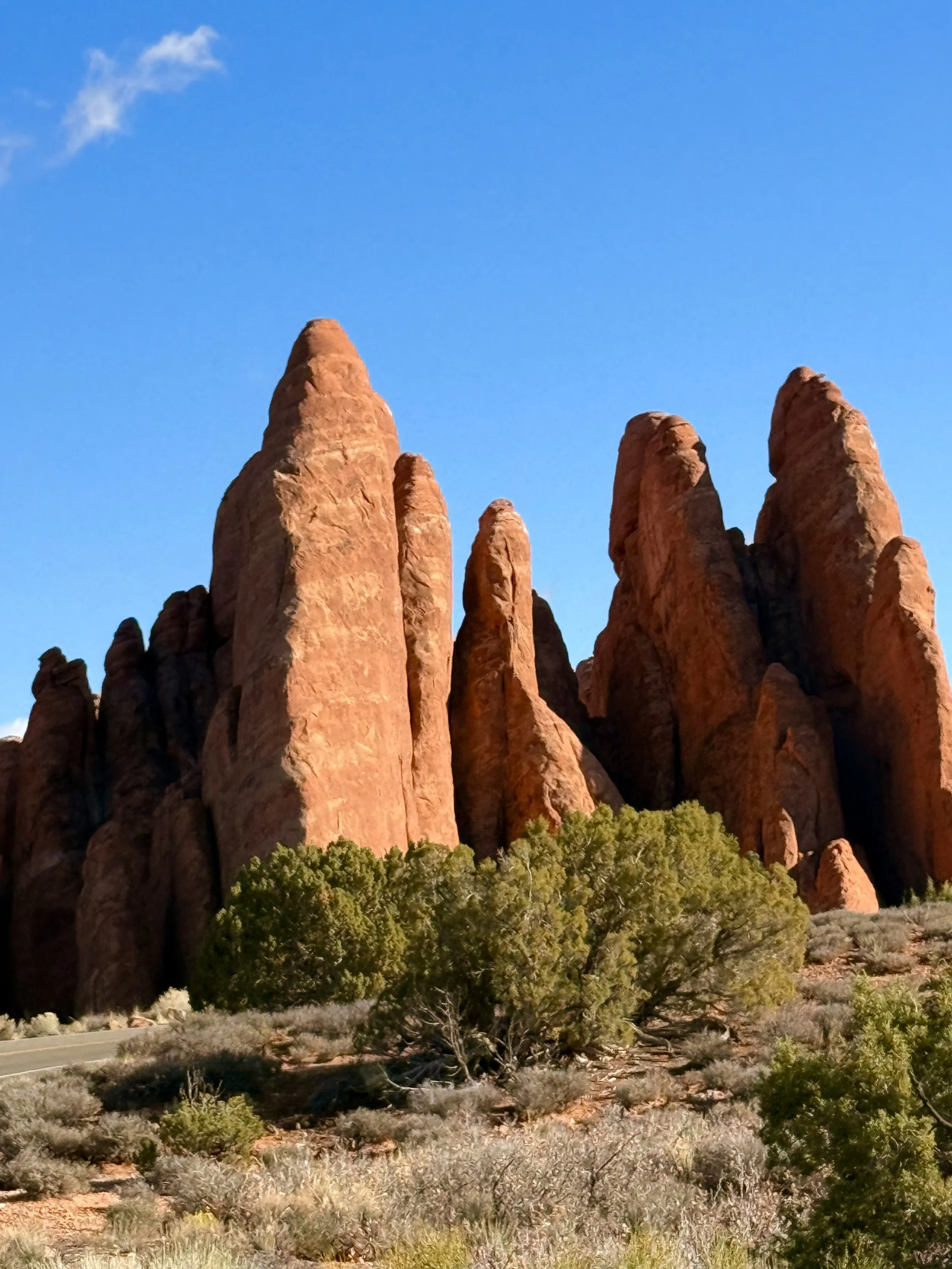
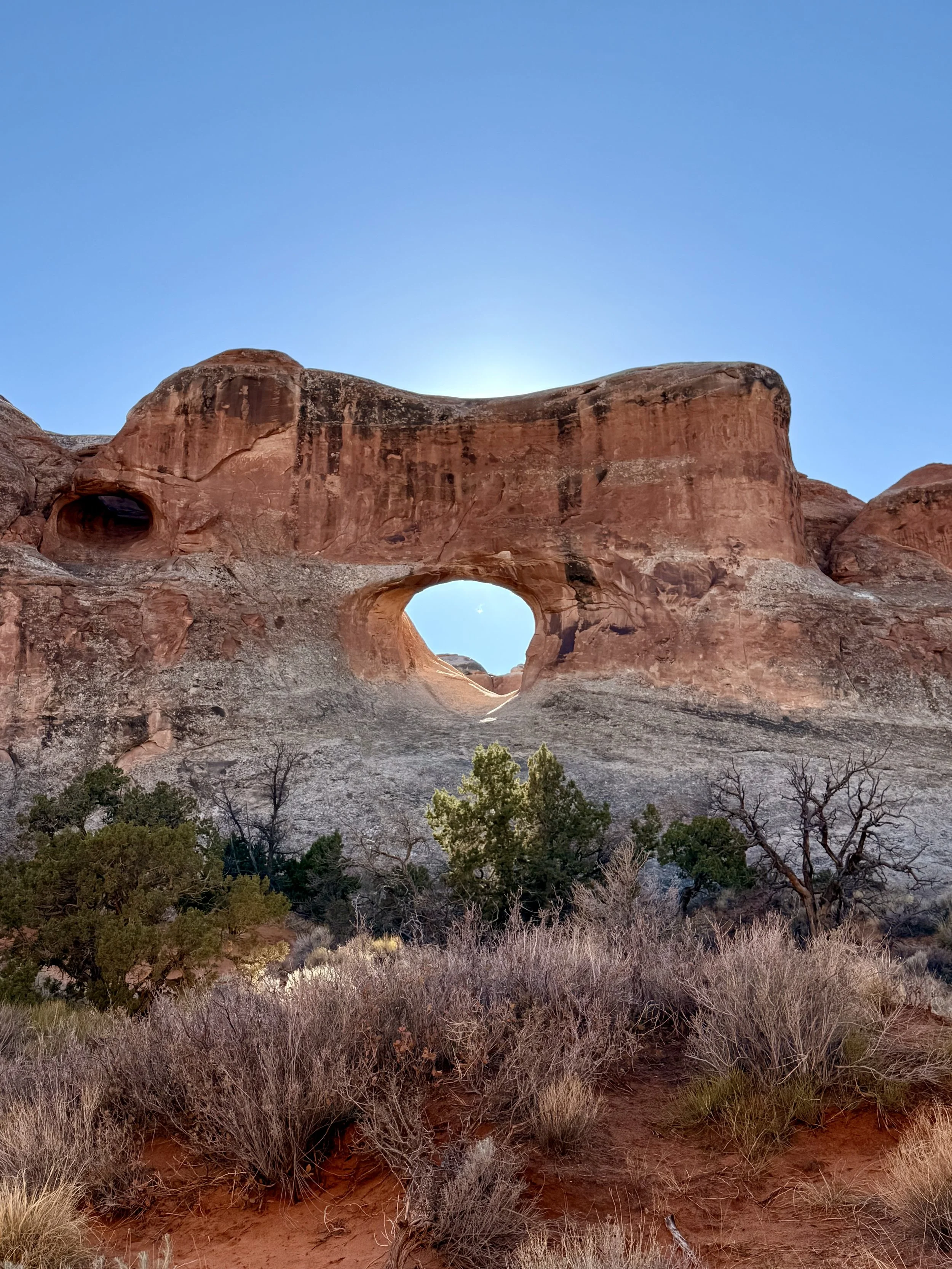
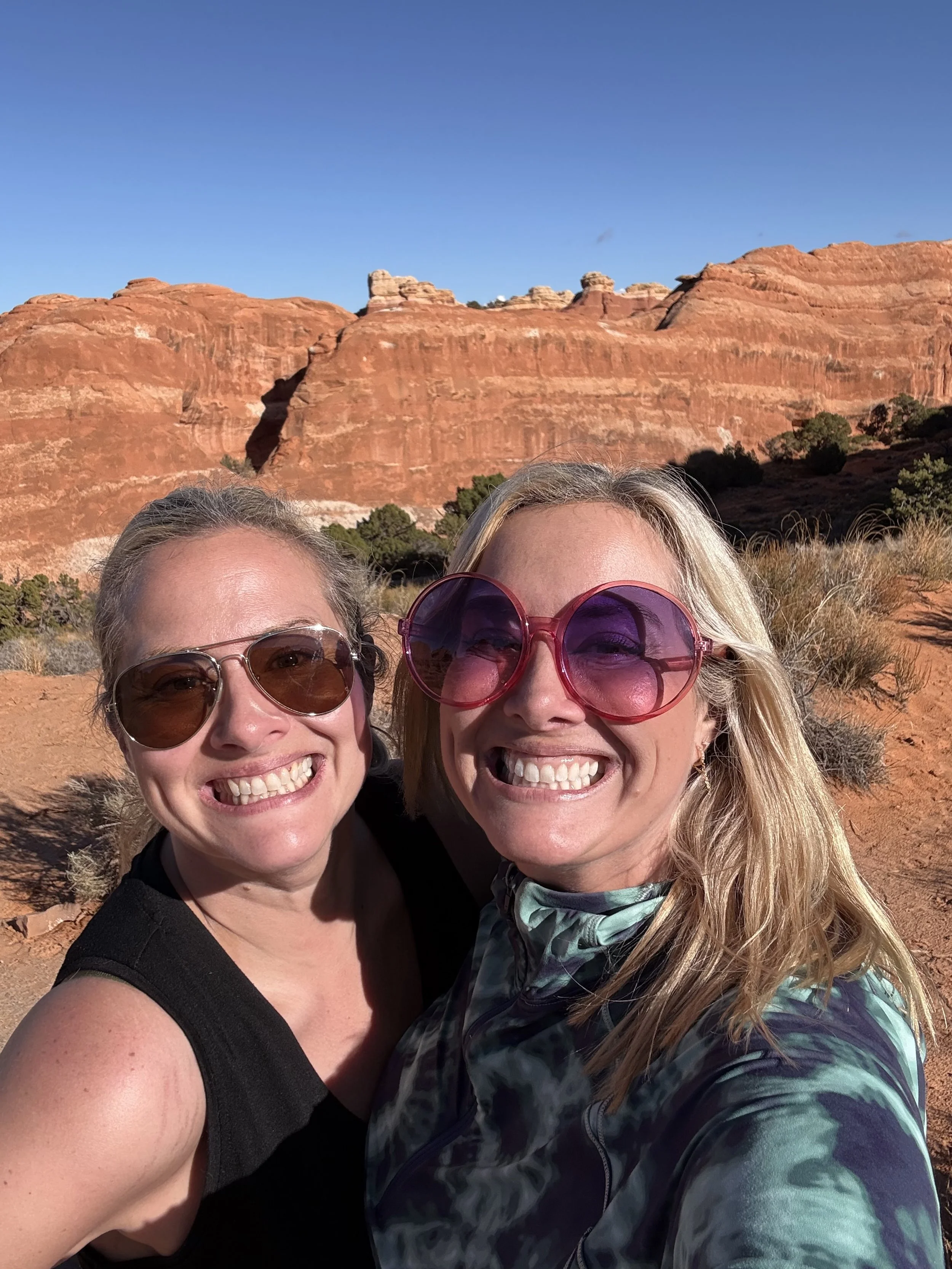
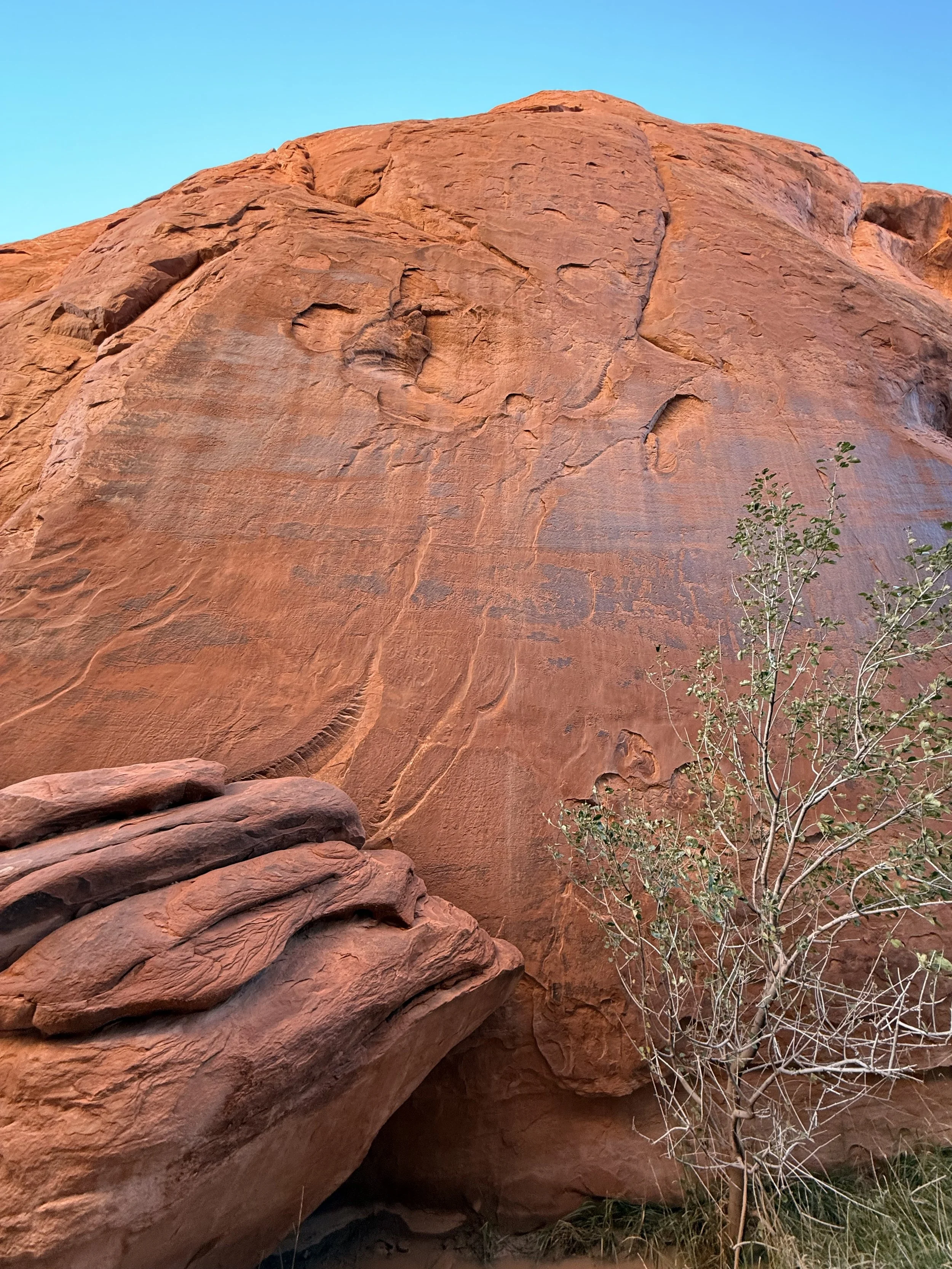
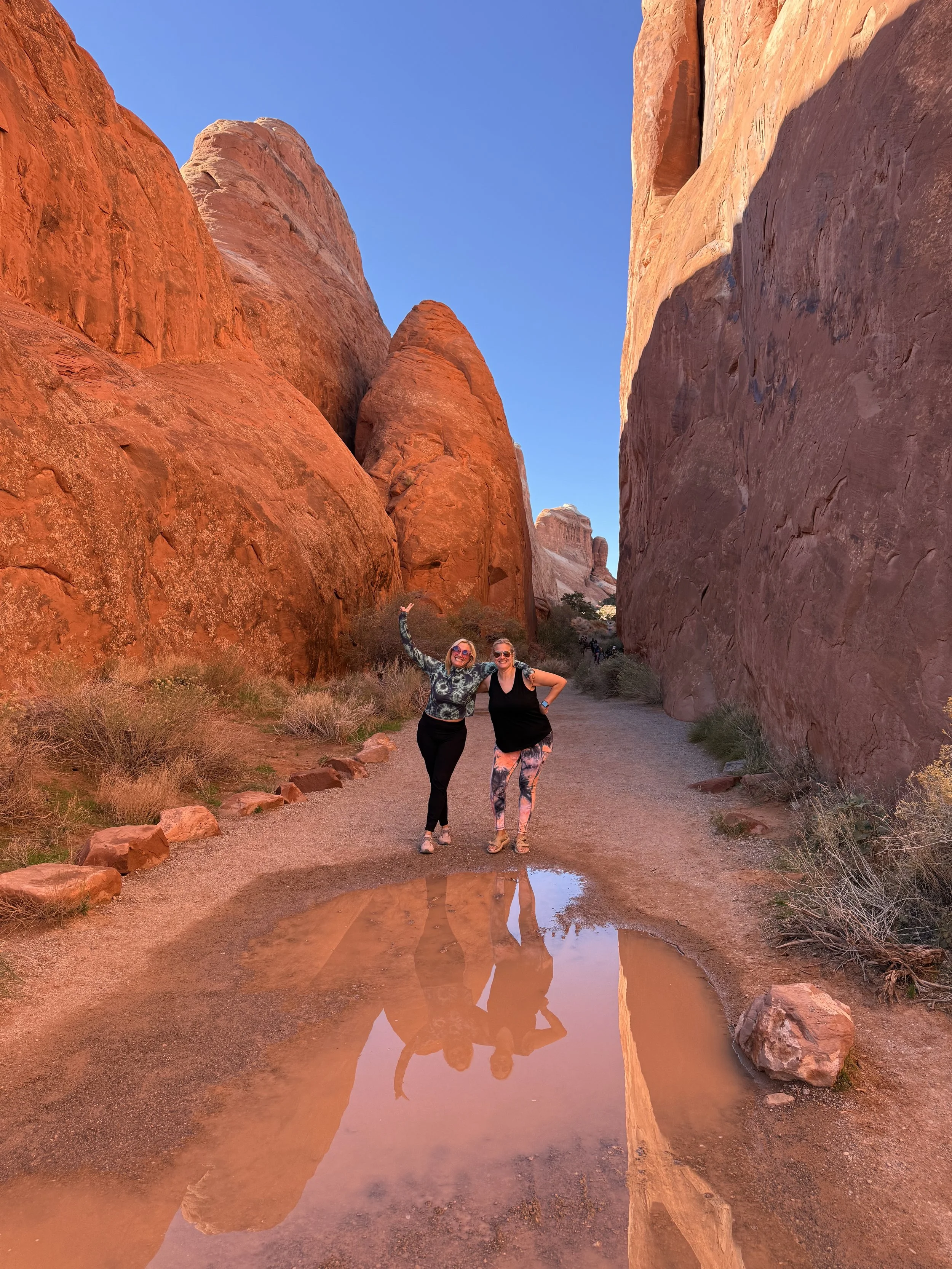
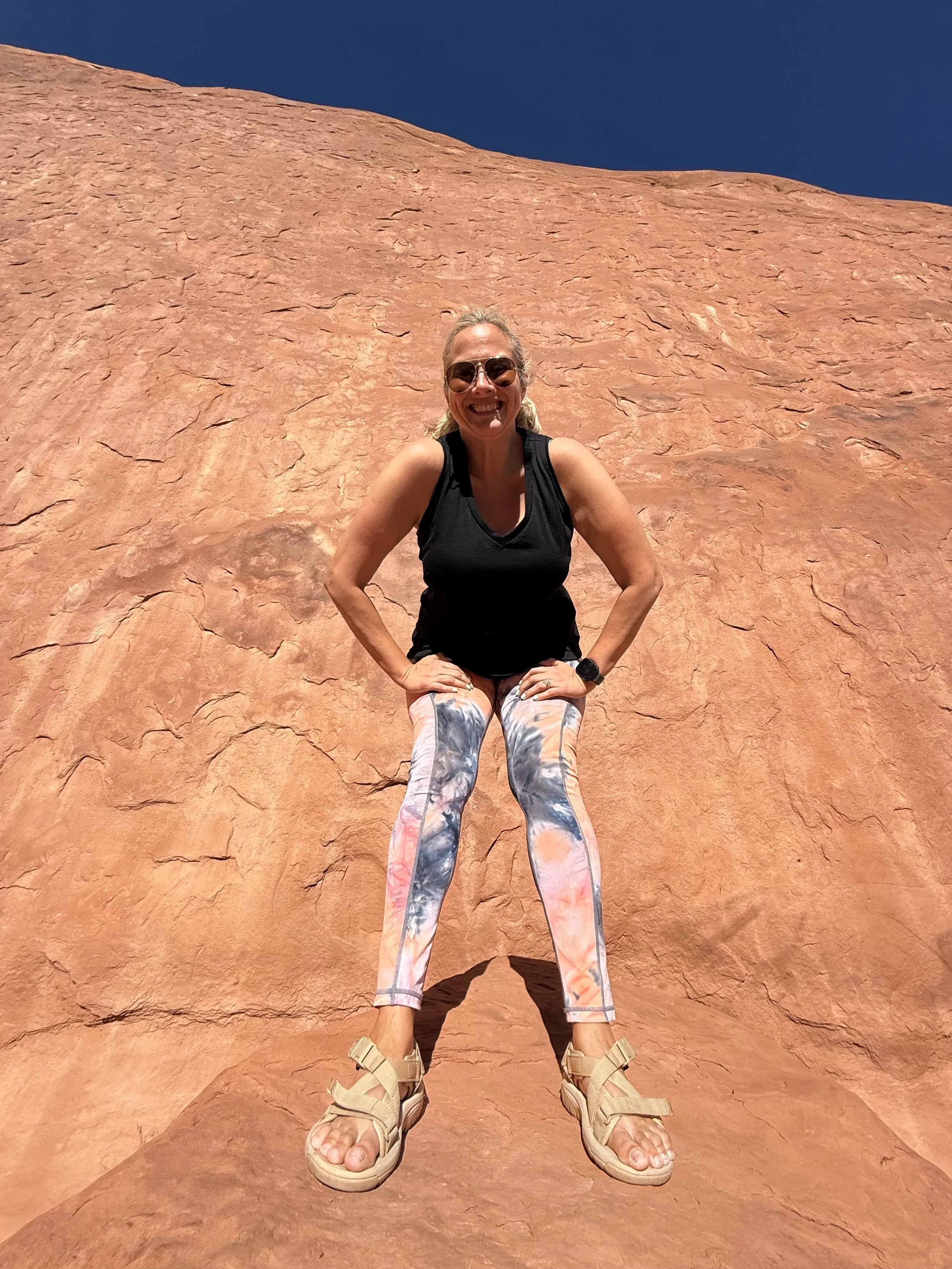
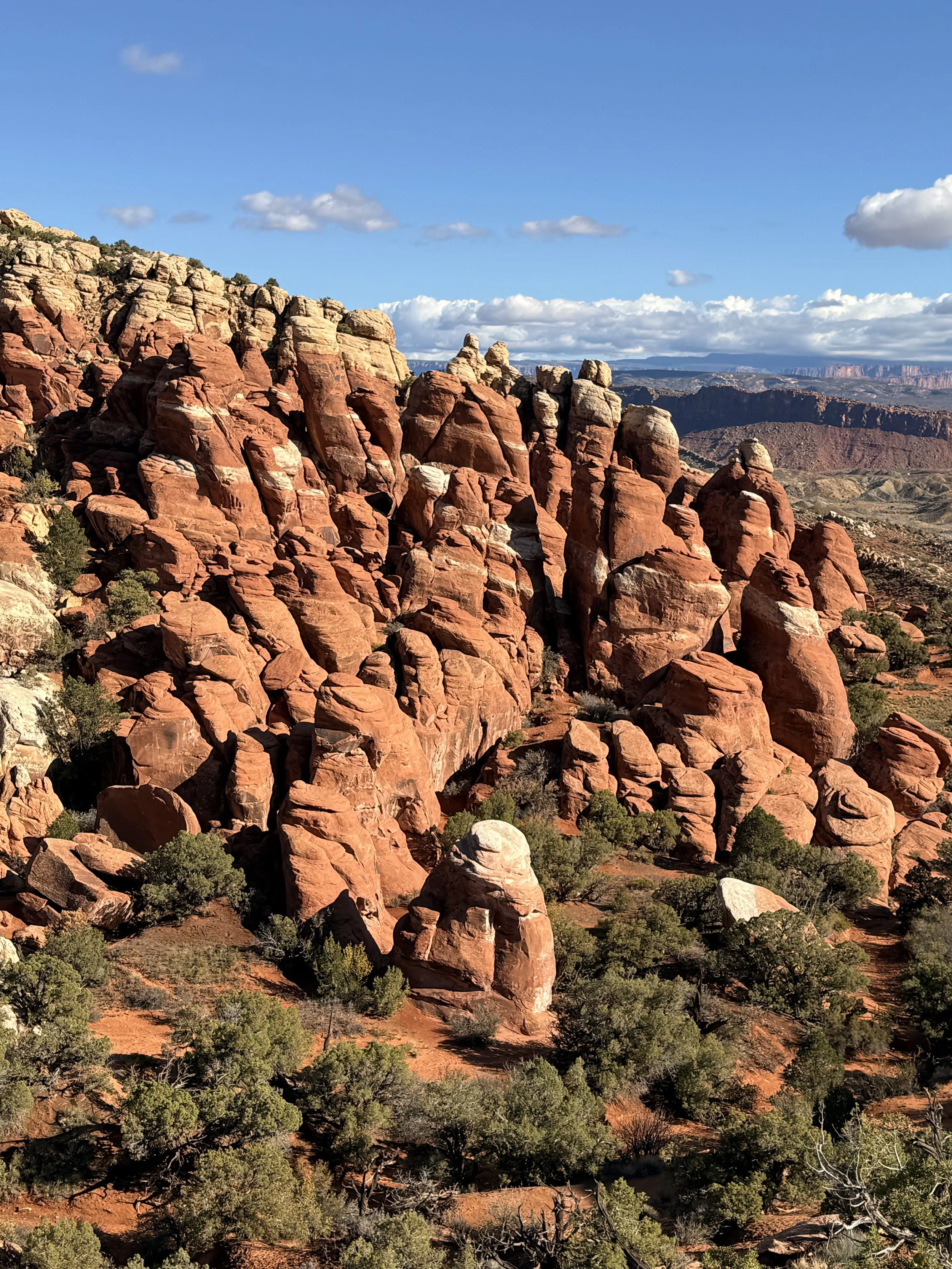
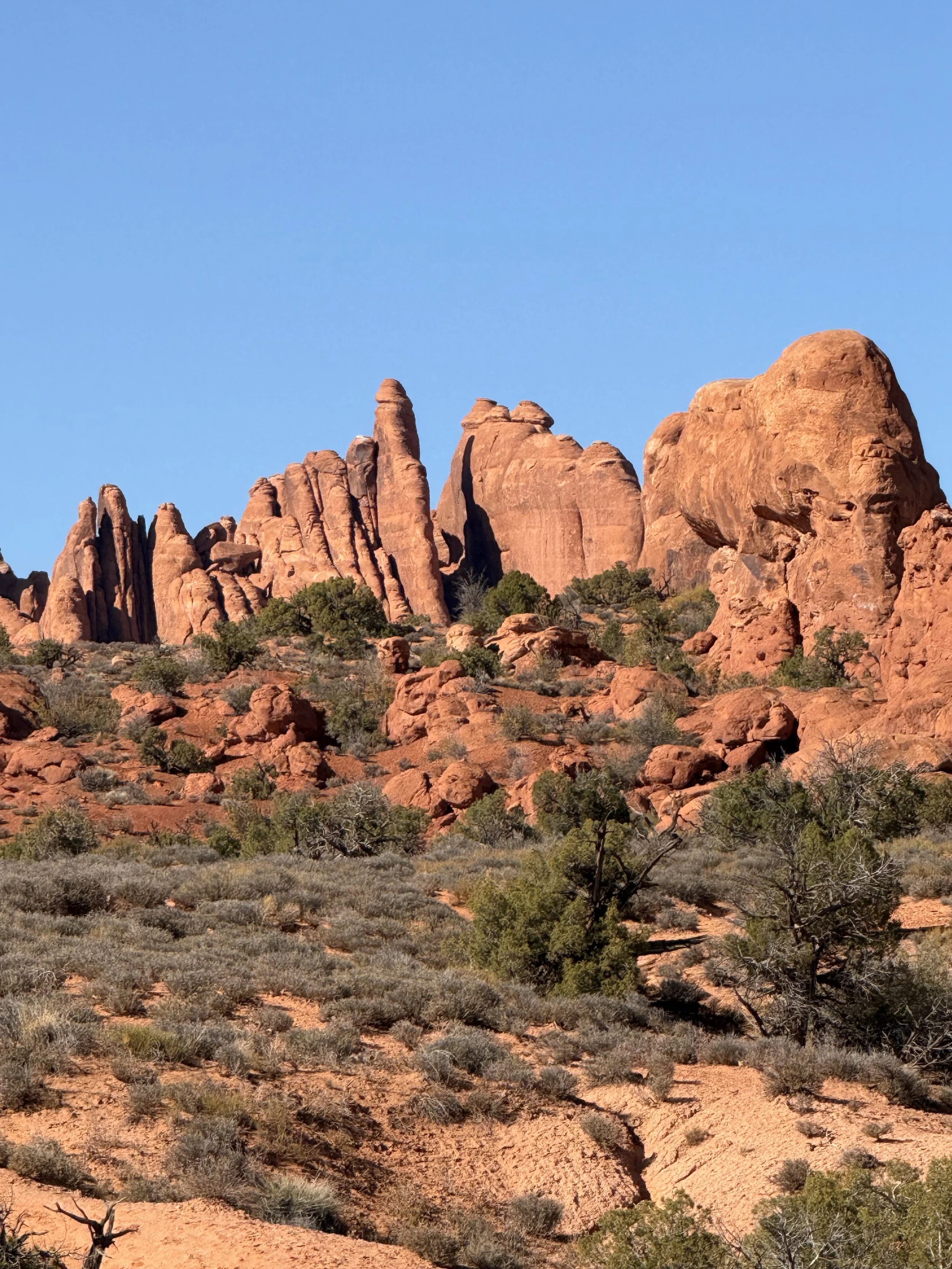
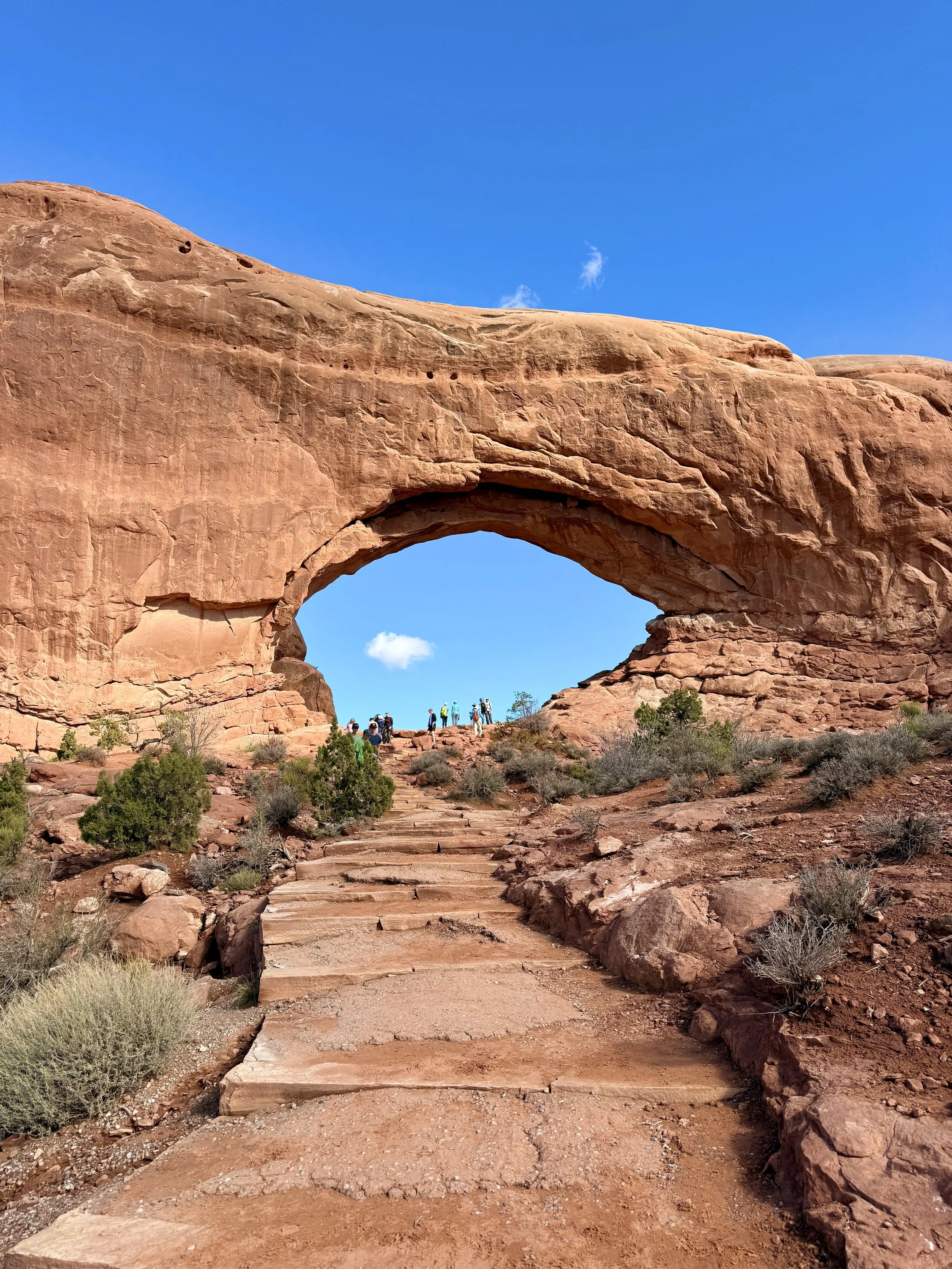
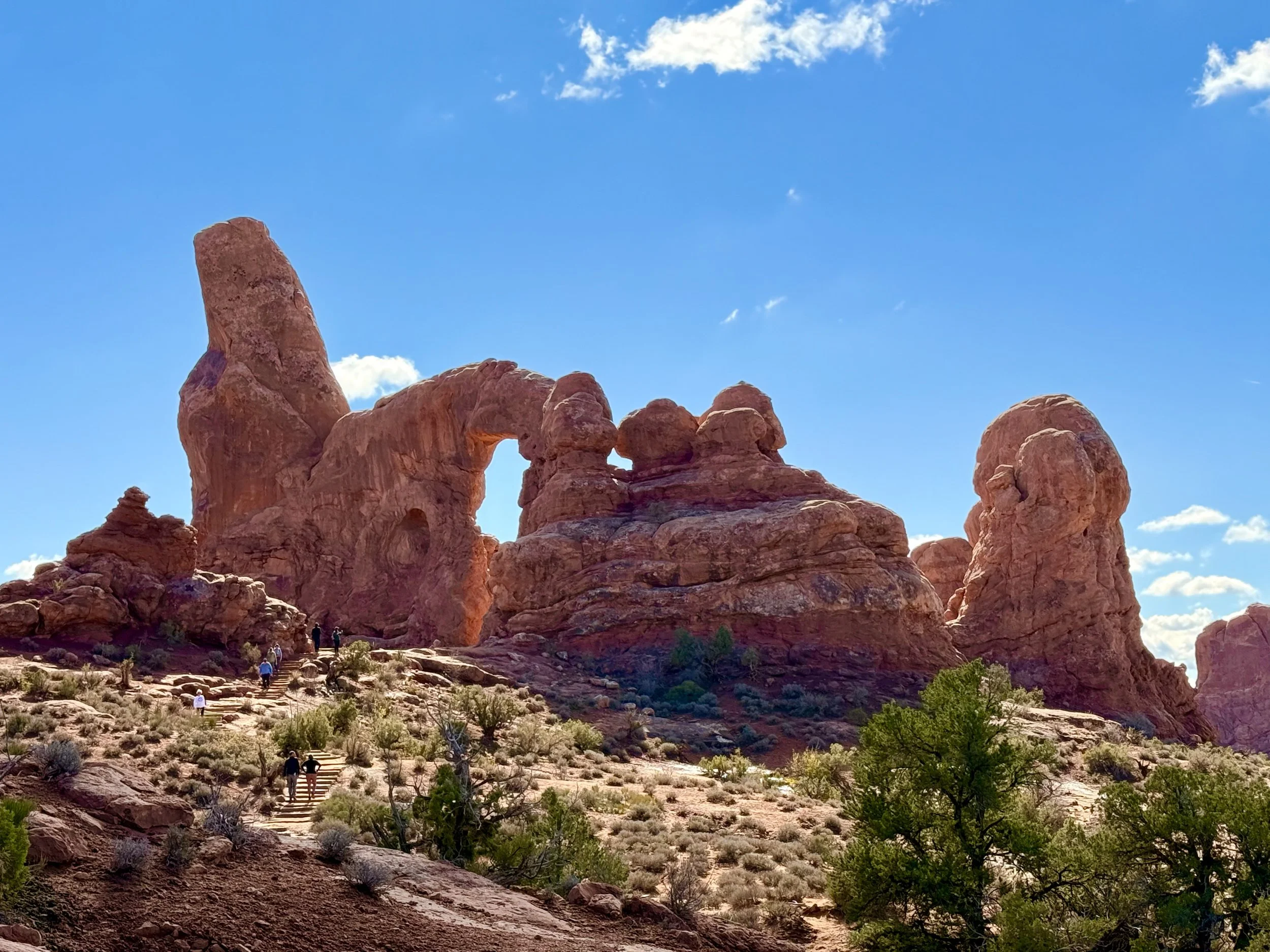
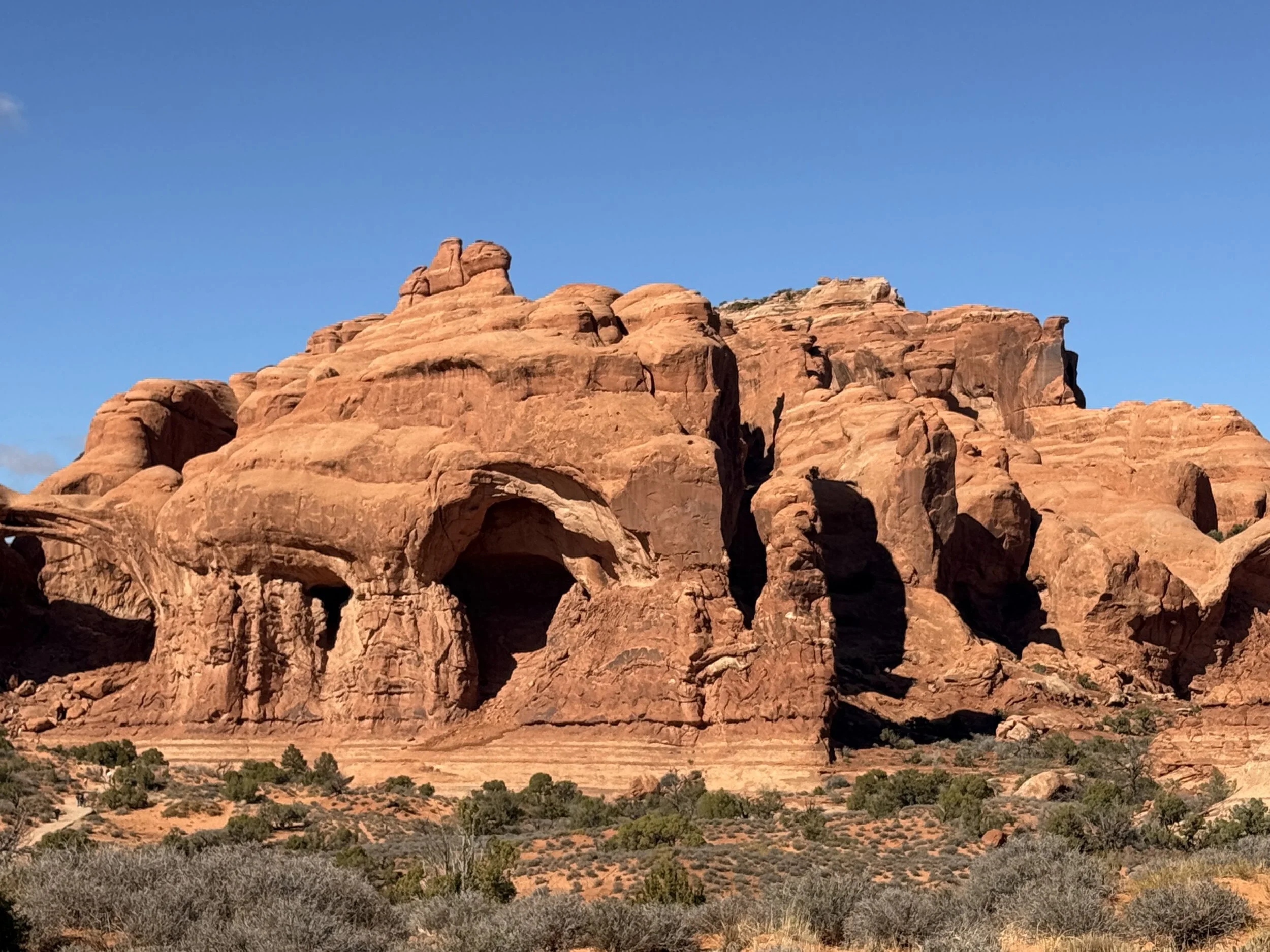
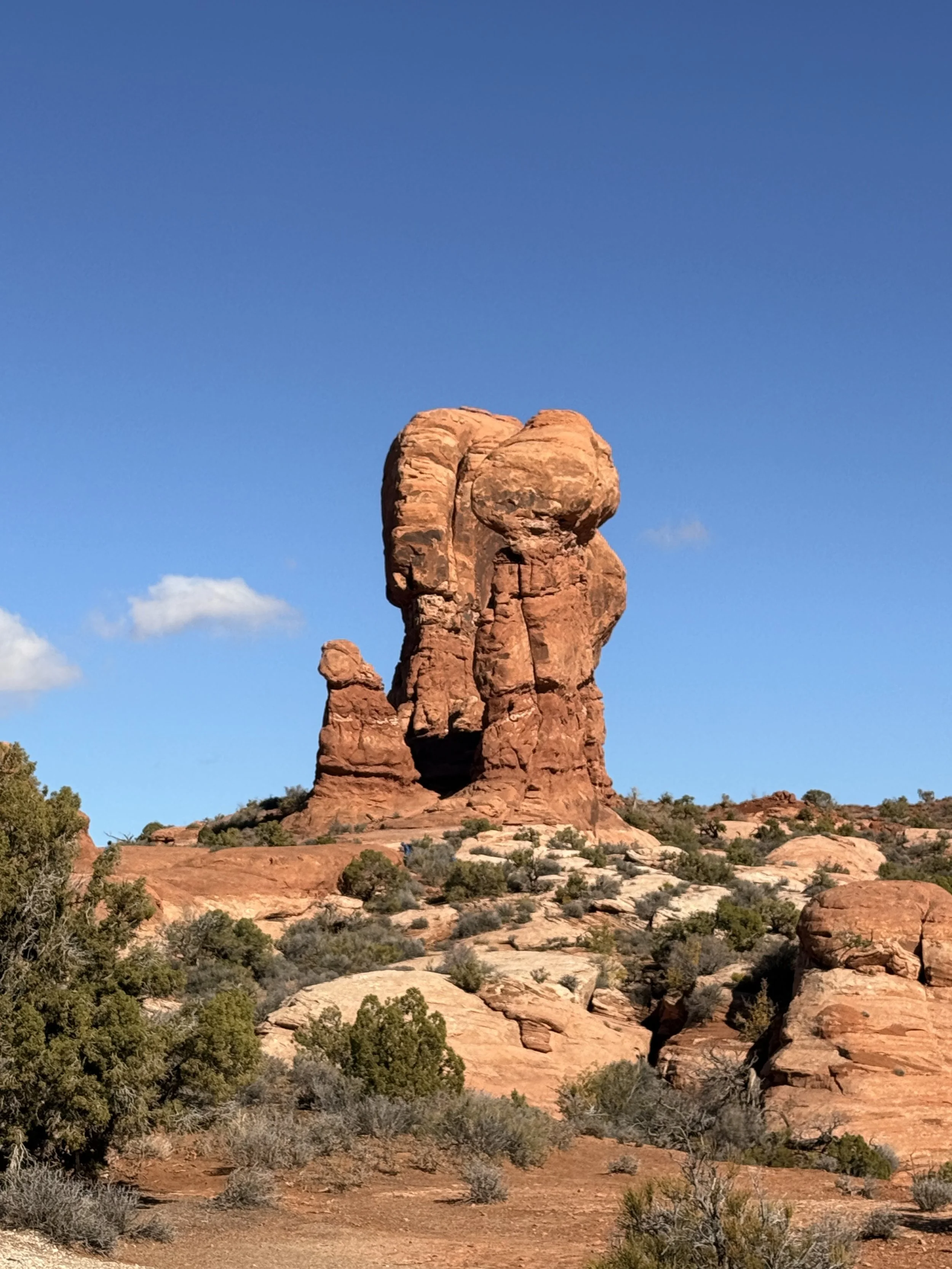
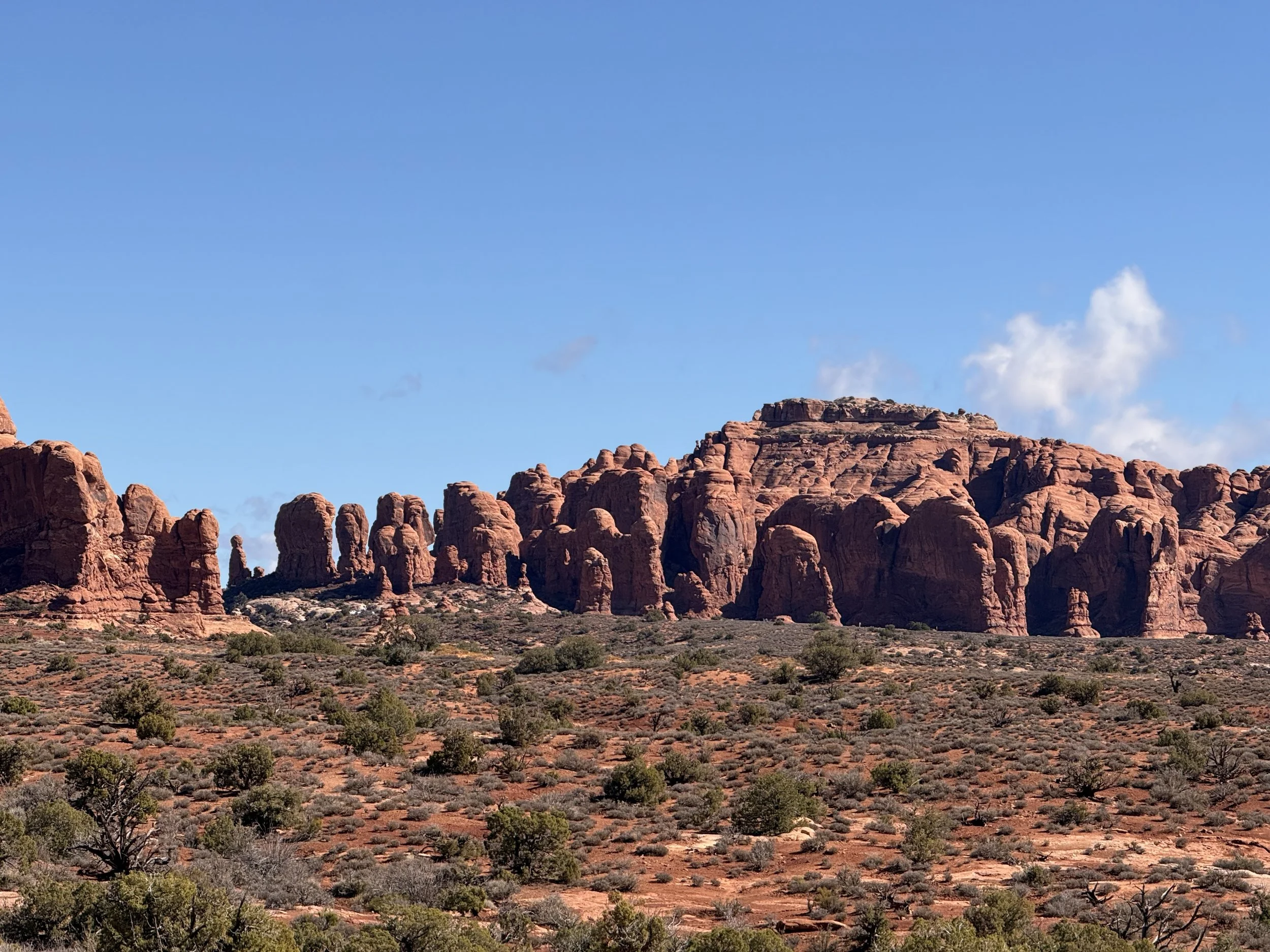
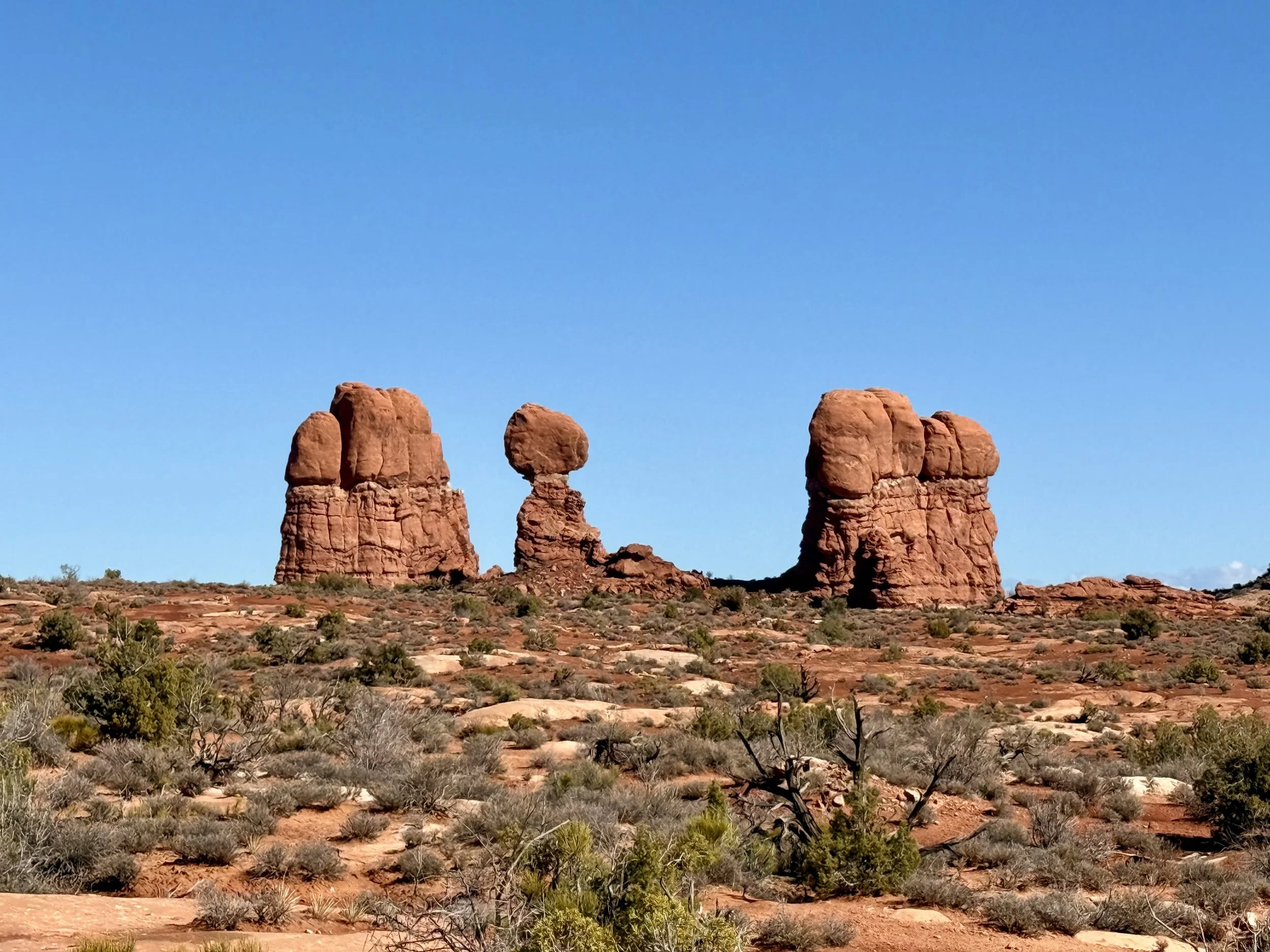
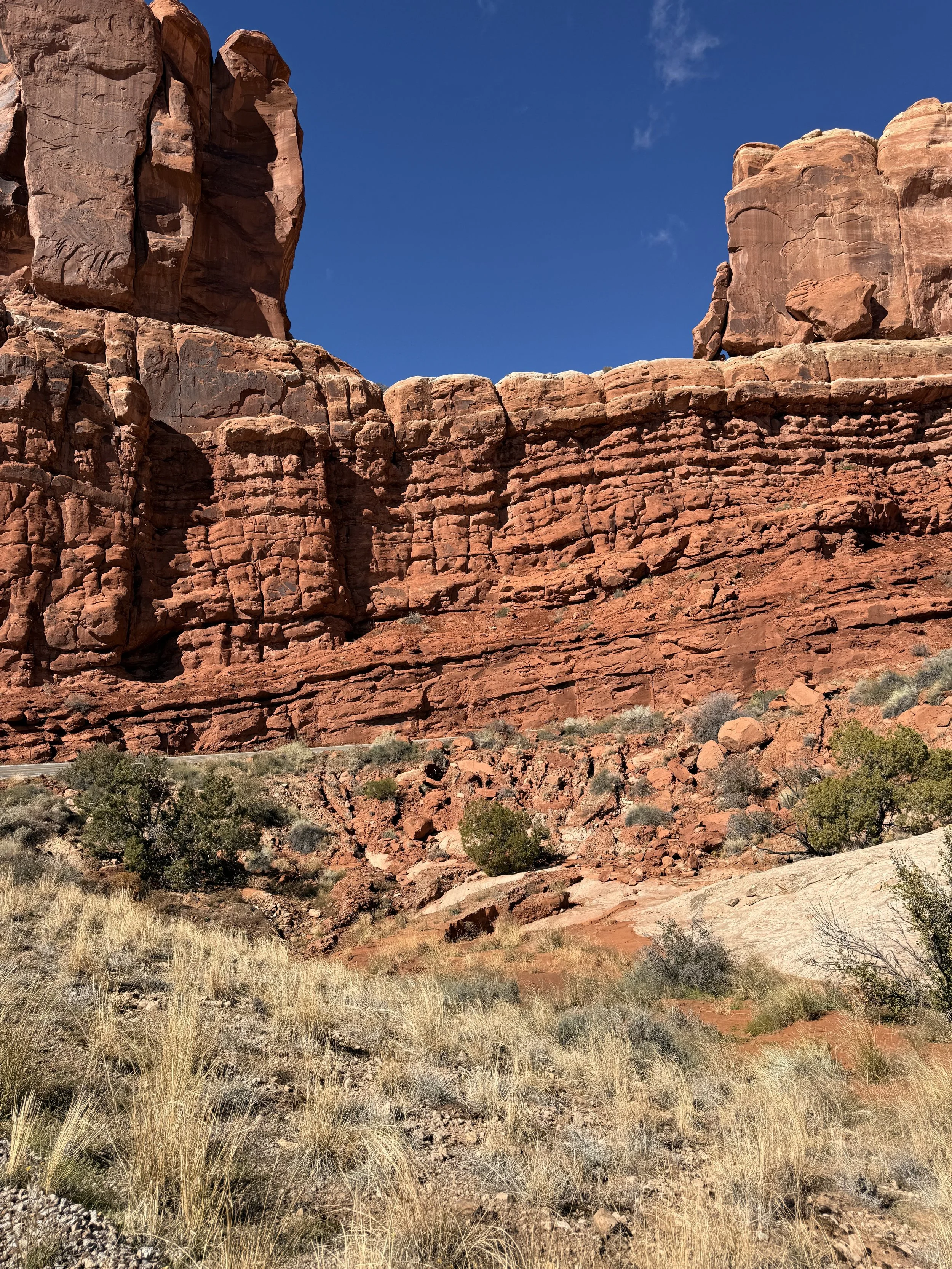
For the mystics, the Eremos was never about isolation; it was about encounter. Even Jesus withdrew to the Eremos again and again. It was where He fasted for forty days, where He wrestled with temptation, and where angels came to minister to Him. The Eremos was both exile and embrace—the wild, quiet space where everything unnecessary fell away, leaving only God.
The wilderness isn’t the place of weakness; it’s the place of strength. “Jesus was led by the Spirit into the wilderness” because it was there, and only there, that Jesus was at the height of his spiritual powers. It was only after a month and a half of prayer and fasting in the quiet place that he had the capacity to take on the devil himself and walk away unscathed. That’s why, over and over again, you see Jesus come back to the eremos.”—John Mark Comer, The Ruthless Elimination of Hurry
In fact, there is a direct correlation between how busy Jesus got with an increase in Him taking time alone—the busier and more in demand (famous) Jesus became, the more he withdrew to his quiet place to pray: “Then, because so many people were coming and going that they did not even have a chance to eat, he said to them, “Come with me by yourselves to a quiet place and get some rest.””—Mark 6:31 NIV
As John Mark Comer goes on to say, when Jesus would return from the wilderness “with all sorts of clarity about his identity and calling. He was grounded. Centered. In touch with God and himself. From that place of emotional equilibrium and spiritual succor, he knew precisely what to say yes to and, just as importantly, what to say no to. Hence: as the Gospels go on, you quickly realize the quiet place was top priority for Jesus…To clarify, Jesus went to the quiet place for a month and a half. Came back to Capernaum for one day of busy activity. Then he headed straight back to the eremos to pray. Meaning, the quiet place [the Eremos] wasn’t a onetime thing. It was an ongoing part of his life rhythm.”
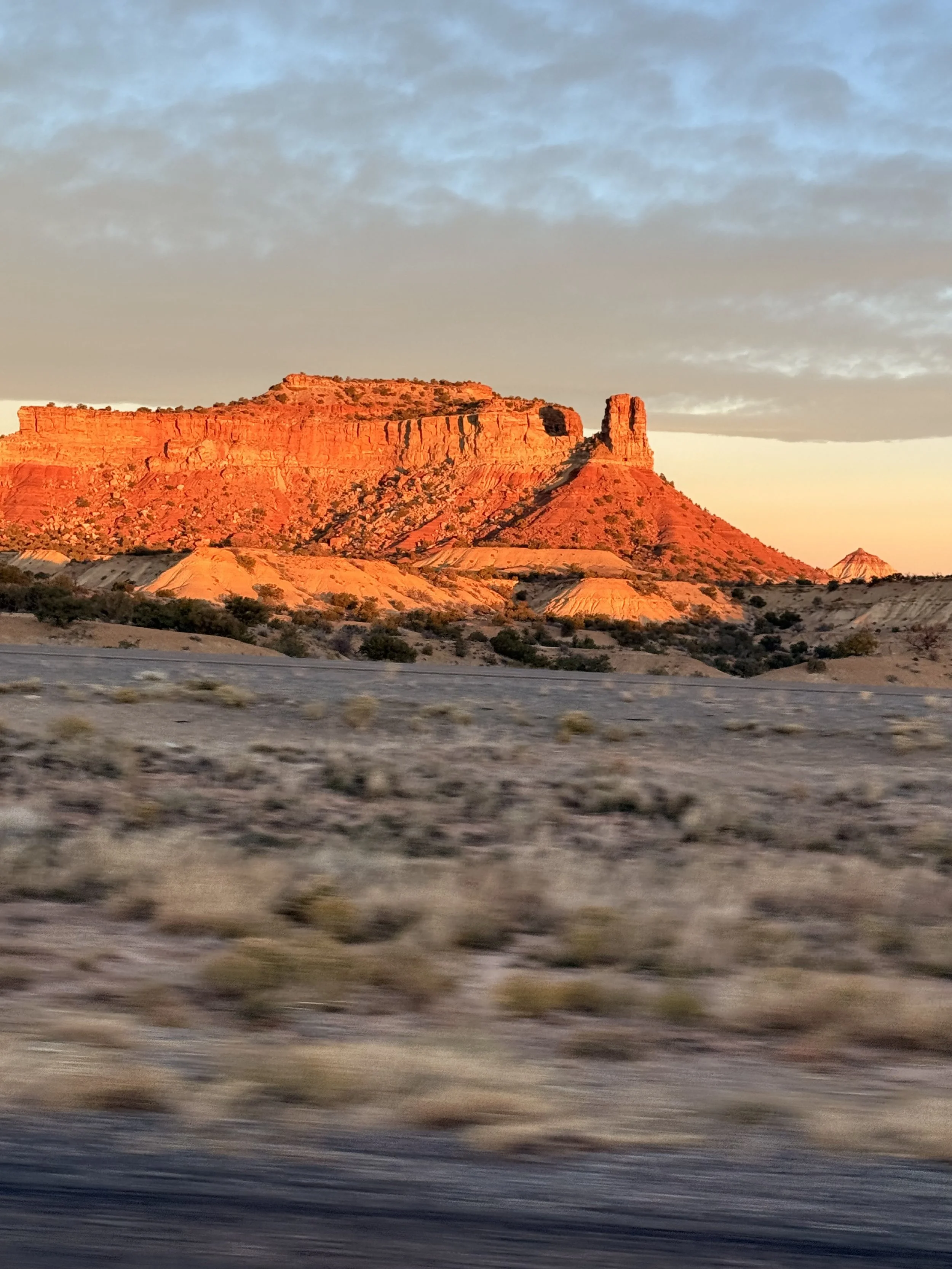
We often imagine spiritual growth happening in the fullness of life — community, creation, abundance. But the mystics knew the Eremos is where the soul is refined. It is the sacred dependence that makes room for Presence. I really like the way author Christopher Boozell describes this:
As harsh as such a journey wandering through a spiritual desert sounds, this desolation is presented in Christian mystical literature as a wonderful gift. It is a time during which, in a way hidden from the seeker, God is purging the soul of deficiencies. If the soul, with all its original distortions and imperfections, were directly confronted with God’s infinite perfection, nothing but anguish and distress could result. From this perspective, God is not holding Himself apart from the mystic; He is tending to him or her with the greatest care. In the same way a surgeon renders his patient unconscious so he can operate, Christ, the ultimate healer, renders the seeker senseless so they do not suffer through the purgation.—Tantric Christianity
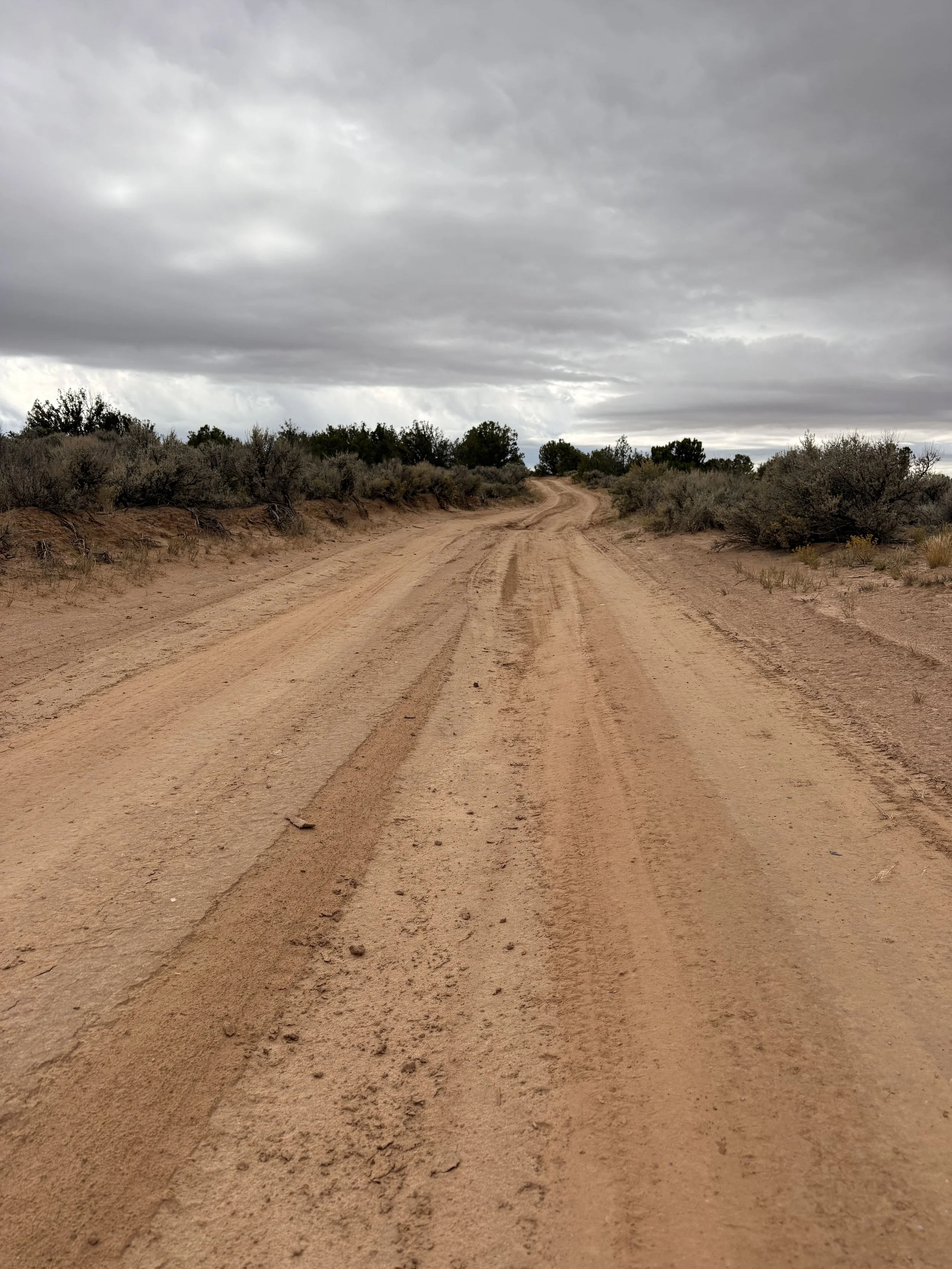
The Desert Fathers and Mothers fled to the Egyptian wilderness seeking solitude, but what they found was communion. In the silence, they heard the whisper that the noise of the world had drowned out. In the absence of distraction, they discovered that God was not “out there” at all, but dwelling within.
This was the start of the monastic tradition. More than just a location, “the desert became a sacred place—set apart as a place for contemplation, asceticism, and prayer. These developments changed the course of Christian history…[These ancient monks, like Jesus], teach us about listening to the natural world, the quest for silence and solitude in arid lands, the paradoxical pulls of solitude and community, and the cultivation of deep inner quiet.” (The Sonorous Desert).
I think we all have our own Eremos—a moment when the Spirit leads us into barrenness so that we might remember who we are. To listen. Sometimes it looks like burnout. Sometimes grief. Sometimes an illness that challenges the illusion of control. Sometimes it means getting stuck and in need of rescue.
I’ve had to remember a few times this month, the Eremos is not punishment; it is invitation—An invitation to remember that the stillness of the desert is the same stillness that lives in us. To step away from the noise and return to the unhurried rhythm of grace. To be stripped of all false selves until only Love remains.
So if you find yourself there — raw, disoriented, emptied — do not rush to leave. Stay long enough to listen. Because in the Eremos, you are not alone. You are being met.
With Love,
Jennifer
P.S.—I’d love to hear from YOU! Rather than emailing me or dropping me a DM, please post a comment below 👇
Disclosure: This post may contain affiliate links. If you click through a link and make a purchase, it may earn me a small commission, at no additional cost to you! See our disclaimer for details.
Keep Reading…

Dig Deeper…

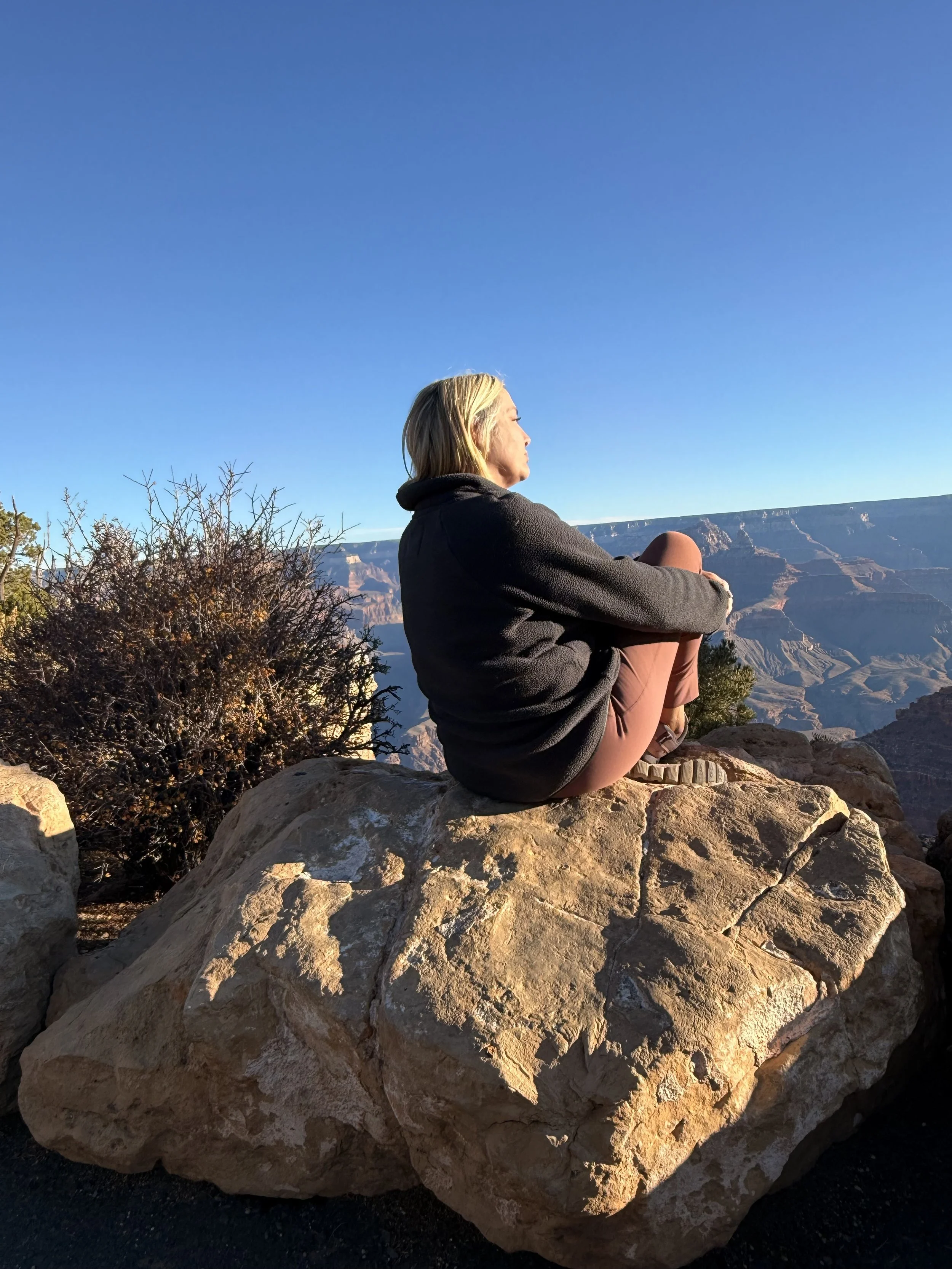

Death clarifies. It asks what matters when everything else is stripped away and reminds us that loving something and possessing it are not the same thing. Death reveals our attachments.