
The Returning: The Way of the Contemplative
"True contemplation is not a psychological trick but a theological grace. It can come to us ONLY as a gift, and not as a result of our own clever use of spiritual techniques."—Thomas Merton
Some paths lead us into the wilderness. This one leads us within.
The Contemplative pathway is less about what you do and more about who you are becoming. It is the slow, steady descent from the mind into the heart — the place where God speaks in silence, and where the soul finally remembers the sound of its own name.
For the Contemplative, prayer is less about speech and more about presence. Less about effort and more about surrender. It is the practice of resting in Love, rather than performing for it.

Many Languages of Stillness
The contemplative impulse appears across many of the world's spiritual traditions.
Christians have practiced silent and contemplative prayer. Buddhist traditions have developed diverse forms of meditation and mindfulness. Hindu and yogic traditions have cultivated practices of concentration, meditation, and self-inquiry. Within Islam, Sufi traditions have explored remembrance of God through practices such as dhikr. Jewish mystical and contemplative traditions have likewise sought deeper awareness of the Divine through prayer, meditation, sacred text, and silence.
These traditions are not simply different names for the same practice. Their understandings of God, Self, consciousness, suffering, liberation, and union can differ significantly.
And still, there is resonance.
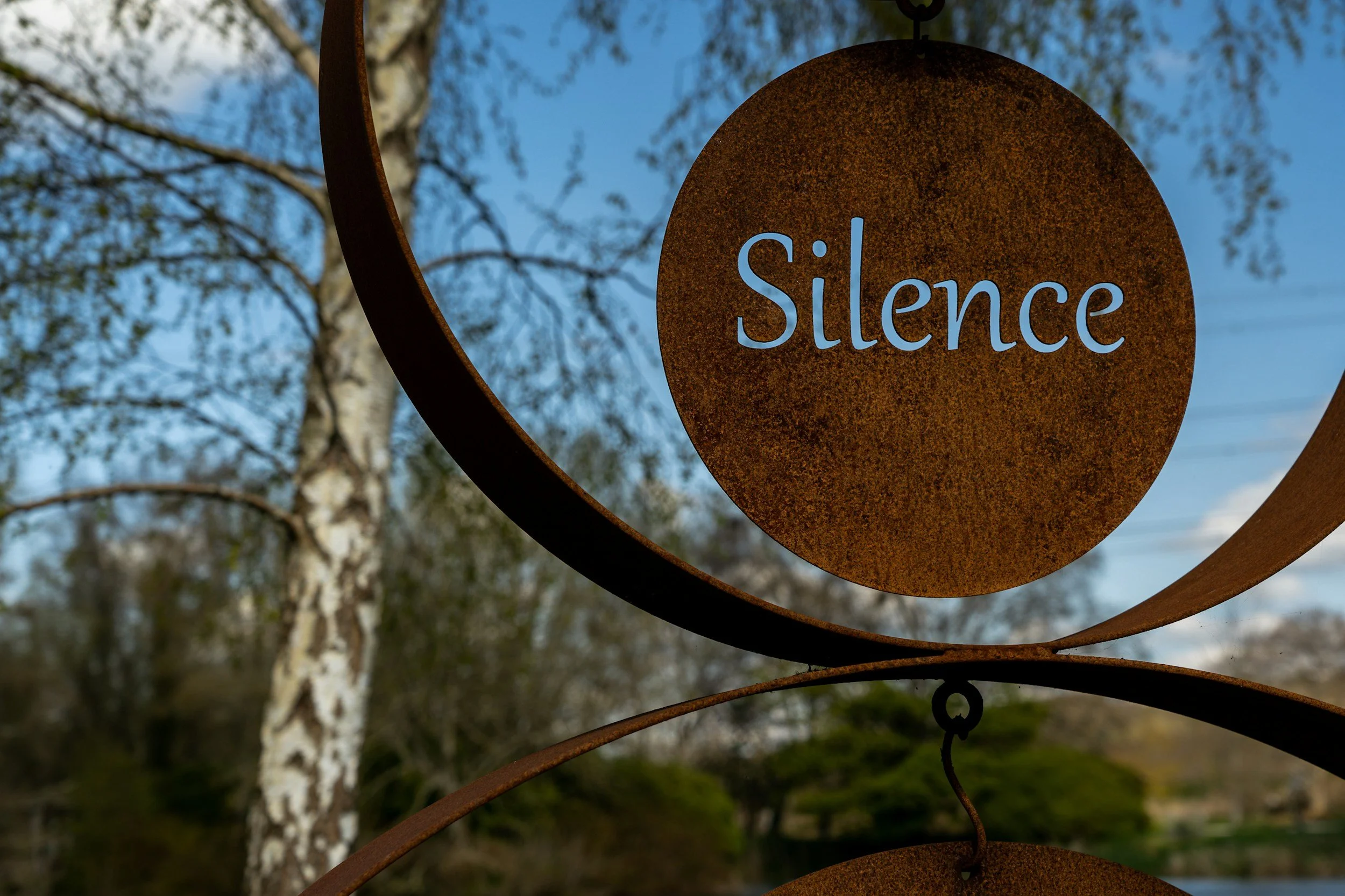
Again and again, human beings have discovered that silence changes what we are able to hear.
When the constant commentary of the mind begins to quiet, another kind of awareness becomes possible. We become more attentive to this moment. To breath. To presence. To the movements of the heart. To Mystery.
Perhaps this is part of what it means to become spiritually multilingual: not abandoning our mother tongue, but discovering that other traditions have also developed rich vocabularies for experiences we recognize.
The Christian contemplative may call it communion.
The Buddhist practitioner may speak of awakening or insight.
The Sufi may speak of remembrance.
Other traditions offer still other languages and understandings.
We do not need to collapse these differences to recognize something beautiful within them:
Across centuries and cultures, seekers have become quiet enough to discover that reality may be deeper than the noise of our own thoughts.
The Contemplative enters that silence—and listens.
The Quiet That Holds the World
And contrary to the way many of us were taught, contemplation isn’t about pursuing ecstatic experiences or dramatic spiritual highs.
As author Christopher J Boozell writes:
“Remember that the point of contemplative, or mystical, practices is NOT to transport ourselves to some kind of spiritual theme park where each moment is filled with otherworldly sights and sounds. It is to get over the fascination we have with ourselves and our mistaken approach to the world, finding the root of our existence in the Divine.”—Tantric Christianity

Contemplation is not entertainment. It is not a spiritual spectacle. It is a returning — a remembering — a softening into the truth that God is already here. And so are you.
But the contemplative life is fragile without a rooted faith tradition to guide it. As Thomas Merton warns: “The loss of tradition is an important factor in the loss of contemplation.” Silence is not a free-floating practice; it is a lineage. A stream we step into — not one we invent.

The Nondual Lens: Union as Our Origin
To the nondual contemplative, there is no separation to overcome — only separation to unlearn.
Contemplation reveals God not as distant but as indwelling. Not as object but as origin. Not as a being “out there” but as the very ground of your being.
This is why the mystics speak in the language of union. They aren’t exaggerating or being poetic — they are describing what is discovered when the noise inside finally quiets.
As Mechthild of Magdeburg wrote, “The soul is God, and God is the soul.”
Intimate.
Interwoven.
Indivisible.
In contemplation, you do not reach God — you remember you were never separate.
When Love Becomes the Prayer
For the Contemplative, love is not something you muster — it’s something you fall into. Prayer becomes less about petitions and more about presence. Less about striving and more about surrender. Less about trying to reach God and more about letting God reach you. To listen.
There is a quality of intimacy here — tender, pulsating, alive — the kind of love that reshapes you from the inside out. The kind of love that requires no words at all.
"This perspective of listening is critical. During our daily lives we often spend our time chattering away to friends, to ourselves, and certainly to God about our hopes and fears. When we talk to God, there’s usually a lot of asking for things: that job we want, to have our health fixed, could He keep people we don’t like away from us, and the like. Hopefully, we’ll also give thanks for the blessings we’ve received throughout our lives. There can be no claim that any prayer, like these petitions and expressions of gratitude, is a waste, but all of this chatter is pretty much us talking at God. We don’t do much listening...Of course, what He wants is for us to be with Him, but without being quiet in our own hearts it can be difficult to hear Him calling for us. That is our goal here – listening with our hearts for God’s call." — Christopher J Boozell, Tantric Christianity

The Contemplative Edge
This pathway looks soft, but don’t mistake it for ease. The beginning is often sweet — not because the path is easy, but because God is tender.
As the mystics teach, when someone first turns toward contemplative prayer, the Holy Spirit often meets them with palpable comfort, peace, and warmth.
Chistopher Boozell states this well when he writes:
“Initially, as contemplation is taken up, the Spirit provides the budding mystic very pleasant sensations and comfort. These consolations are given by God as a means of nurturing the contemplative in the work of transcending the world of external sensation. Saint John of the Cross compares it to a mother nursing her infant — nourishing the child so the relationship becomes secure, and the child is eager to grow.”
These early consolations build trust. They root the soul in tenderness. They give the heart the courage to continue deeper. But eventually — just as a mother weans a child — the Spirit invites the Contemplative into a more mature, more spacious intimacy. An intimacy that doesn’t rely on feelings or sensations. An intimacy grounded in union, not experience.
This is the contemplative edge: learning to love God not only when you feel God, but simply because God is.
Reflection Questions
When was the last time you felt truly still?
What keeps you from resting in silence — fear, impatience, discomfort, distraction?
How might God be inviting you to experience prayer not as performance, but as presence?
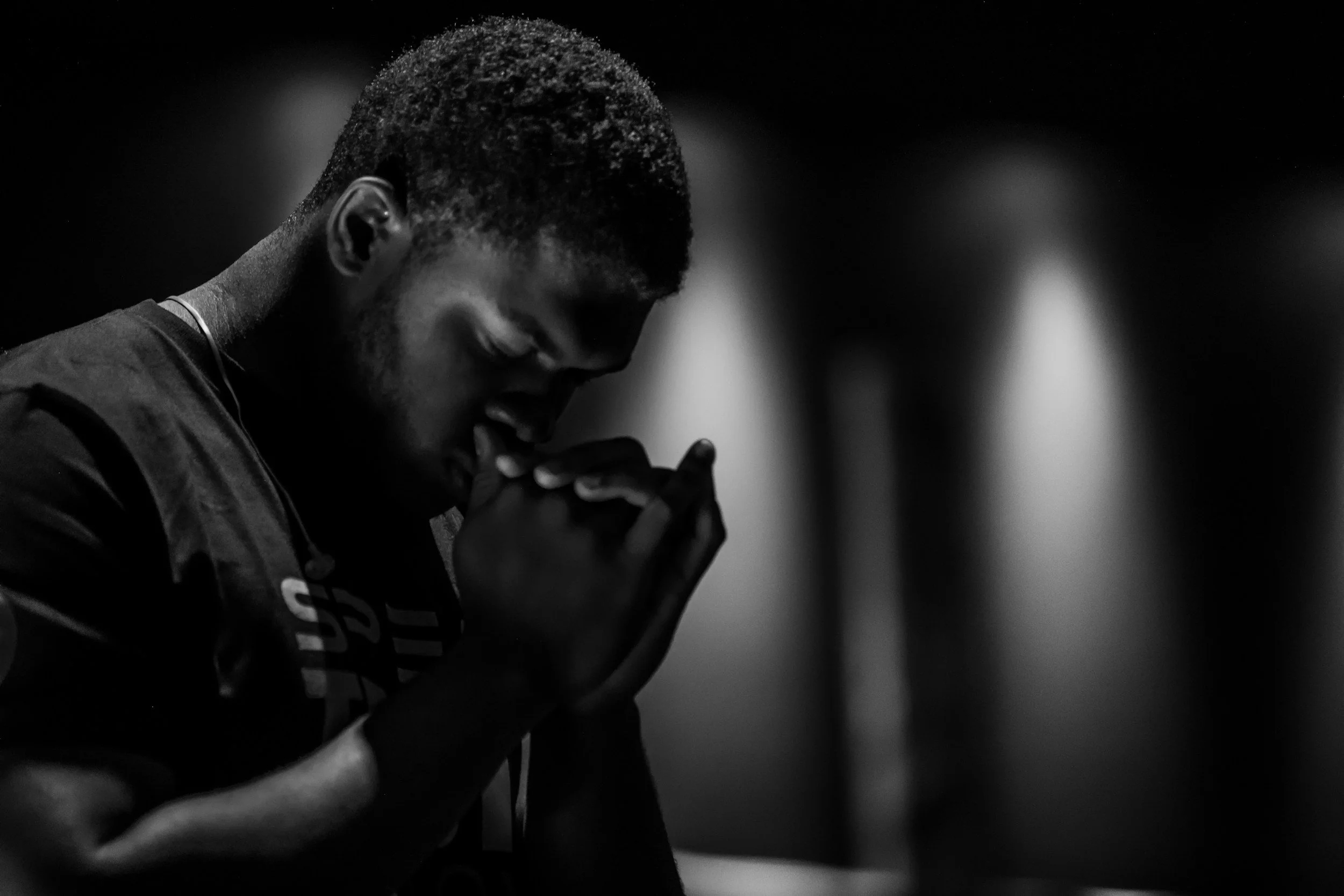
Suggested Practice: A Breath Prayer
Sit comfortably. Close your eyes. Let your breath slow, deepen, open.
On the inhale, whisper silently:
“Here I am.”
On the exhale:
“Here You are.”
Let these two truths become one. No striving. No agenda. Just presence meeting Presence.
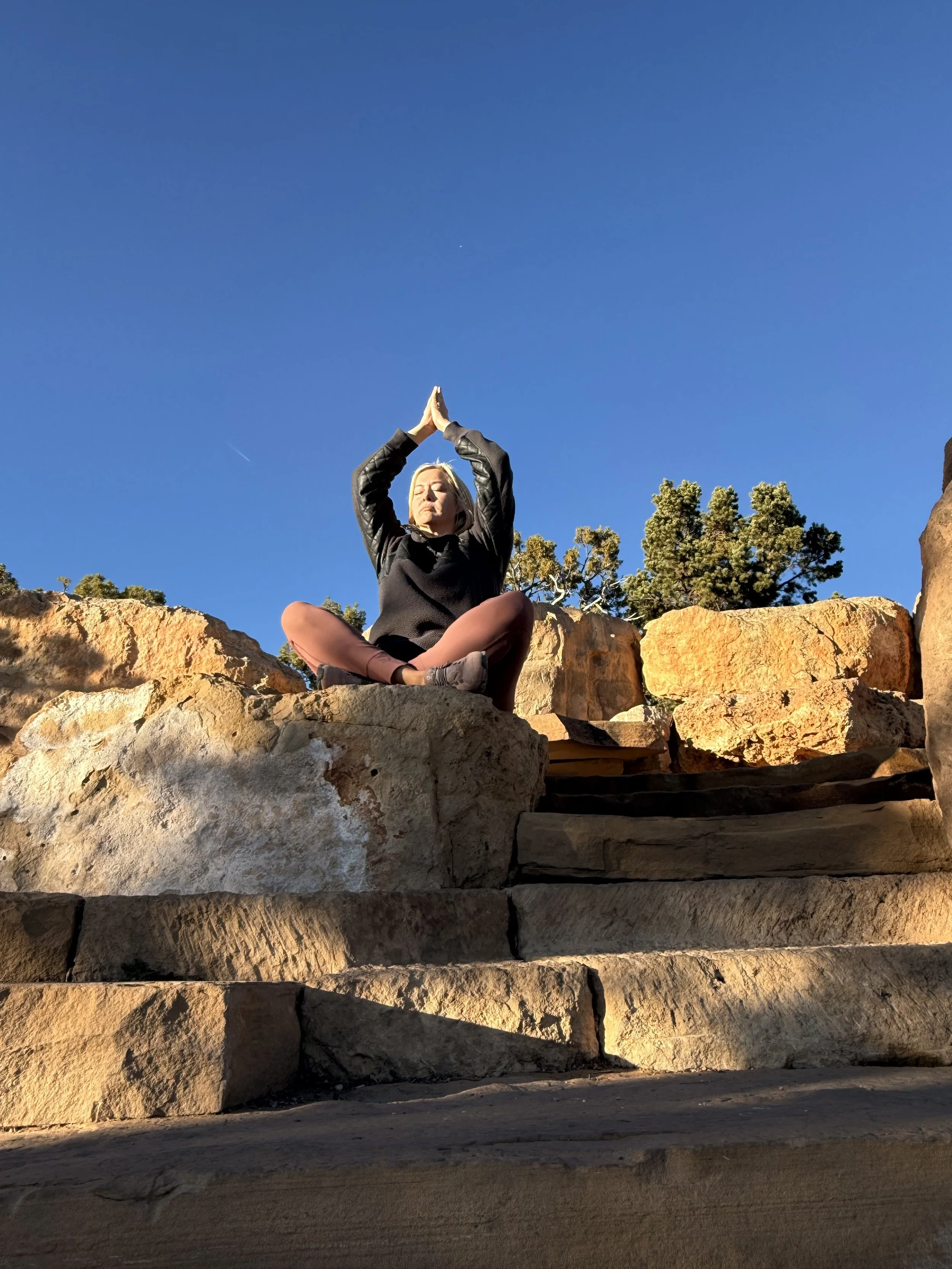
Praying at the edge of the Grand Canyon, Arizona
Founder’s Note:
The contemplative and naturalist pathway sits at the very center of everything I create — because they sit at the center of everything God has done in me.
My own healing began when I finally stopped running on empty all the time. When I let the silence speak. When I discovered that beneath all my doing, achieving, fixing, and performing… there was a God who wasn’t asking me to earn a thing.
This is why our retreats, guided meditations, Morning Altars practices, and Forest Church gatherings create such intentional space in nature for stillness and deep listening.
Silence is not the absence of God — it is often the doorway into God’s tenderness.
If your soul has been craving quiet, if you’re longing to hear the whisper beneath the noise, you’re not alone. You’re invited to journey deeper with us.
With Love, unconditionally— Jennifer
Next in The Great Returning
Silence softens us. Stillness reshapes us. But eventually contemplation wants to move — to touch the world, to mend what is broken, to become Love in motion.
Next, we’ll explore The Way of the Activist — where devotion becomes justice, prayer becomes compassion, and spirituality takes on flesh in the work of repairing the world.
Disclosure: This post may contain affiliate links. If you click through a link and make a purchase, it will earn me a small commission, at no additional cost to you! See our disclaimer for details.
Dig Deeper…
You May Also Like…



Let the serene stillness of winter and the gentle guidance of this meditation draw you into a place of rest and renewal. Embrace the beauty of this quiet season as you walk with God through His creation.