
The Returning: The Way of the Caregiver
Christ is like a loving Caregiver who has nothing to do but pay attention to the well-being of Her charge. It is Her work to keep us safe; it is Her honor to work for us; and it is Her will that we know what She is doing, for She wants us to love Her and trust Her with both humility and strength. Christ demonstrated this with His words: “I will take absolute care of you.”—Julian of Norwich
For the Caregiver, compassion is not a concept. It is an instinct, a reflex of the heart, and a way of seeing the face of Christ in anyone who is weary, hurting, afraid, or alone. This pathway is less about what you offer and more about how you offer it — with tenderness, with steadiness, with attention that says: “You matter. You are seen. You are worth slowing down for.”
The Sacred Practice of Tending
The practice of tending another as a spiritual act reaches across traditions.
Buddhist teachings cultivate karuṇā, compassion expressed as a sincere response to suffering, alongside mettā, loving-kindness extended toward ourselves and others. Sikh tradition places seva, selfless service, at the heart of spiritual life. Hindu traditions also carry rich understandings of seva, in which serving others can become an expression of devotion.
Christianity tells this story through a God who draws near. Jesus touches bodies others avoid, feeds people who are hungry, washes the feet of his friends, weeps alongside those who grieve, and repeatedly allows himself to be interrupted by human need.
Different traditions understand the spiritual meaning of service in different ways. Yet many recognize something the Caregiver seems to know instinctively:
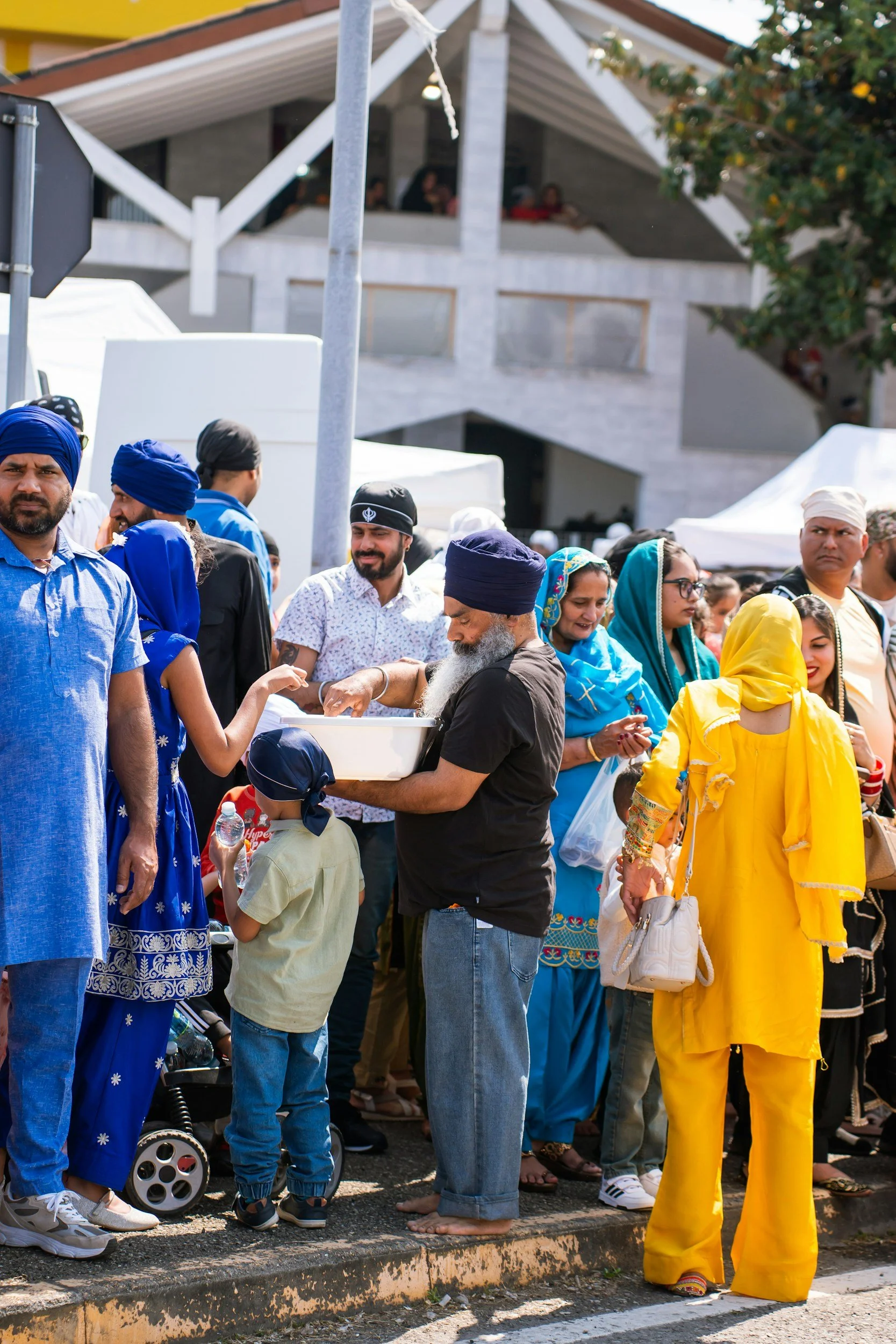
There can be something sacred about giving another being our full attention.
Sometimes care looks extraordinary. More often, it is profoundly ordinary.
Preparing food.
Sitting beside someone who is grieving.
Holding a hand.
Listening without trying to fix.
Caring for a child, an elder, an animal, a garden, or a community.
Showing up again tomorrow.
In these moments, the distinction between spiritual practice and everyday life begins to soften.
Care itself becomes practice.
And perhaps something reciprocal happens as well. The Caregiver may enter the relationship believing they are there to offer something, only to discover that the person—or being—they are tending has become a teacher, a mirror, even a place of sacred encounter.
We do not simply bring the Sacred to one another. Sometimes, we encounter the Sacred there.
The Gentle Art of Presence
Caregivers meet God not in grand missions, but in small mercies. In washing a sink full of dishes for someone who’s overwhelmed. In sitting beside a friend who has no words left. In showing up when it would be easier to turn away.
This is the spiritual life lived in a whisper. A quiet echo of Jesus’ own ministry — healing the sick, comforting the grieving, touching the untouchable, and restoring dignity to the disregarded. Caregiving is sacrament. A holy exchange. A way of saying with your body:
“Love is here.”

The Contemplative Root of Care
While the Activist repairs systems, the Caregiver restores souls. Both are needed, sacred, and flow from the same contemplative spring: union with God’s compassion. The Caregiver doesn’t serve for God. They serve with God — as an extension of God’s tenderness in the world.
In the words of Henri Nouwen, “True ministry is the overflow of the life of God in us.”
Service becomes prayer. Attention becomes worship. Presence becomes communion. The Caregiver feels this truth in their bones.

The Nondual Lens: No Separation Between Lover and Beloved
To the nondual mystic, caregiving is not hierarchical — “the helper” and “the one helped.” Instead, it is mutual revelation.
When you tend to another’s suffering, you are meeting Christ Consciousness in them. And through their vulnerability, Christ meets you.
Both giver and receiver are transformed. Both remember they are held. Both glimpse the same Love.
There is no separation — only shared humanity, shared dignity, shared Presence.
The Shadow of the Caregiver: When Compassion Becomes Overreach
Every sacred pathway carries its edge. For the Caregiver, the danger is self-erasure. The temptation to pour out endlessly until you are bone-dry and resentful.
Caregiving without boundaries becomes martyrdom.
Caregiving without rest becomes self-harm.
Caregiving without contemplation becomes codependency.
True caregiving is not depletion. It is overflow. It flows from a well cared-for by silence, Sabbath, community, embodiment, and emotional honesty.
The world does not need burnt-out saviors. It needs whole, rested caregivers rooted in God’s compassion — not their own frantic heroism.

Reflection Questions:
What signs tell you that your caregiving is coming from overflow rather than obligation?
How might God be inviting you to receive care with as much humility as you give it?
Where do you naturally feel drawn to tend, support, or comfort others?
Suggested Practice: The Ministry of Presence
Choose one person in your life this week who seems tired, overwhelmed, or alone. Instead of offering solutions, simply offer your presence. Sit with them. Listen without fixing. Hold space with compassion and nonjudgment. As you do, gently repeat inwardly: “Christ in me meets Christ in you.”
Let this be your prayer.
Your offering.
Your sacrament.

Dog sitting for Rocksy
Founder’s Note:
The Caregiver pathway has been a mirror for me. I have lived seasons where I gave so much that I forgot myself — and seasons where receiving care felt impossibly vulnerable.
My own healing journey taught me that caregiving must be rooted in contemplation, not compulsion. In presence, not performance. In love, not self-neglect. Especially while my mother was going through chemo, these were lessons I learned on the frontlines of caregiving.
This is one reason why Loto creates spaces where women can exhale — to be tended, nourished, prayed for, poured into. Our retreats, Forest Church gatherings, and community offerings are designed to rebuild caregivers from the inside out, restoring both their bodies and their spirits.
If you are someone who holds so much for others… come and let yourself be held for once.
With Love, unconditionally— Jennifer
Next in The Great Returning
Caregiving reveals God in tenderness; the next pathway reveals God in joy. Next, we’ll explore The Way of the Enthusiast — where spirituality becomes celebration, mystery, wonder, and the uncontainable delight of a soul fully alive in God.
Disclosure: This post may contain affiliate links. If you click through a link and make a purchase, it will earn me a small commission, at no additional cost to you! See our disclaimer for details.
Dig Deeper…
You May Also Like…



Let the serene stillness of winter and the gentle guidance of this meditation draw you into a place of rest and renewal. Embrace the beauty of this quiet season as you walk with God through His creation.