
Learning How to Eat, PRAY, Love—Part 2
“As awareness grows, appreciation grows too. As appreciation grows, so does empathy.” -Jon Young, What the Robin Knows
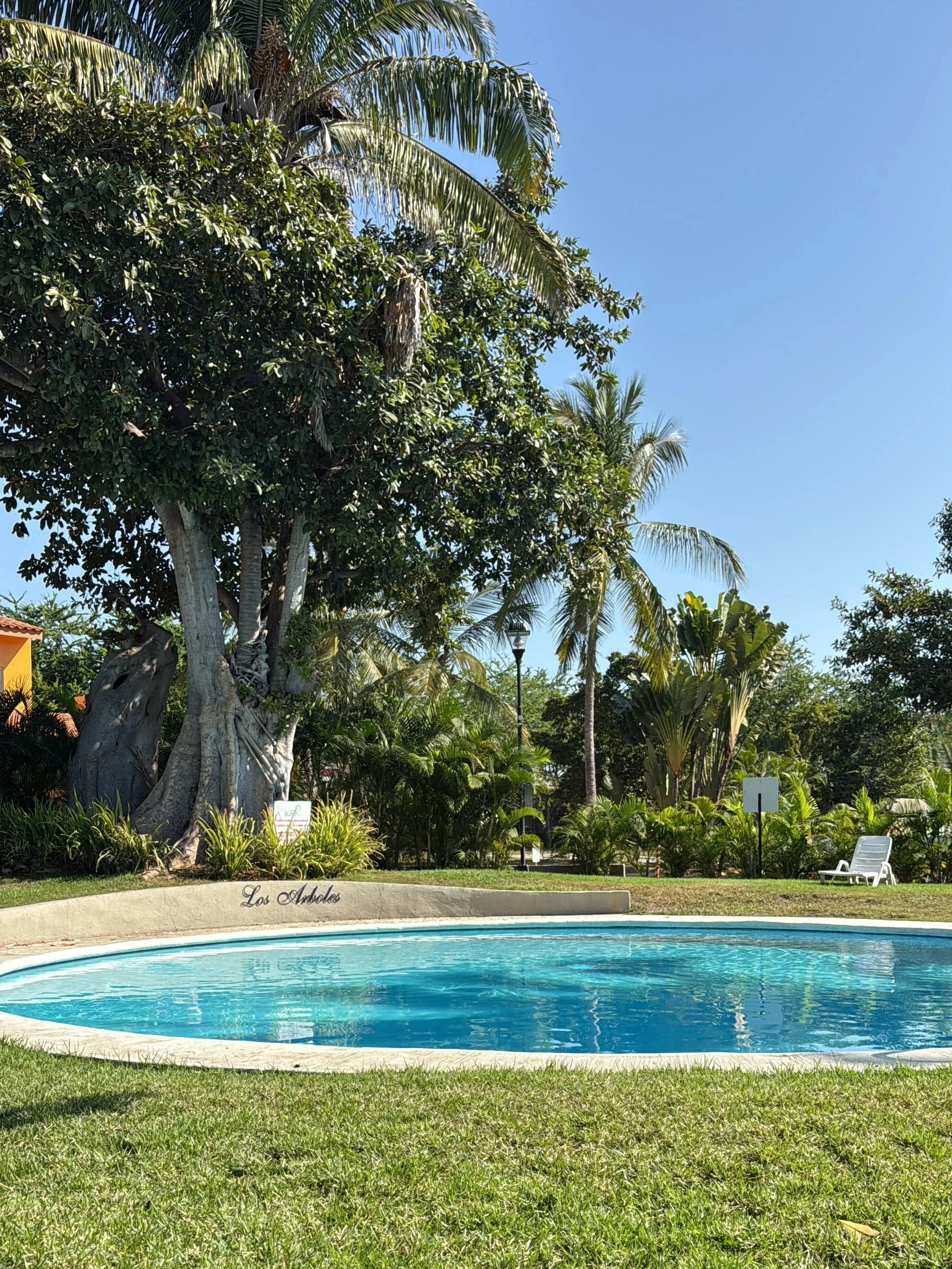
My poolside work station
January 5th, 2026
📍Bucerias, Nayarit, Mexico 🇲🇽
¡Saludos desde el desierto!
My parents and I arrived in Mexico without any issues. So far, Puerto Vallarta’s airport (PVR) is my favorite in the country to fly in and out of. With the introduction of facial recognition, the arrival process feels almost effortless, and with a new, larger international terminal currently under construction, this region is becoming even more accessible to the world.
My parents are settling into their place beautifully, and I’m finding my rhythm here as well. Living with strangers—now roommates—is always an adjustment, but they’re kind and clean, and I’m grateful for the expanding circle of connections unfolding down here. While I envy my parents’ beachside views, I’m thankful for the practical gifts of my current setup: reliable, fast WiFi and a short walk to the grocery store—both small luxuries that make daily life smoother.
After walking to church on Sunday, I realized it was time to make things easier on myself and bought a bicycle. It feels like a small step toward belonging.
Thank you, truly, for holding us in your prayers and for the wishes of safe travels. They were felt.
PRAY
More than new landscapes or stamps in a passport—my 2025 travels gave me a more embodied understanding of prayer that no book or sermon could have taught me. For me, this was the year nonduality stopped being an esoteric concept and became a lived experience.
Rather than a one-sided, formulaic practice—my asking God for something on my own or others’ behalf—prayer has become an ongoing conversation. Less transactional. More relational. Less about words. More about conscious awareness. I am no longer praying to God so much as living with God—in God. God in me. Oneness.
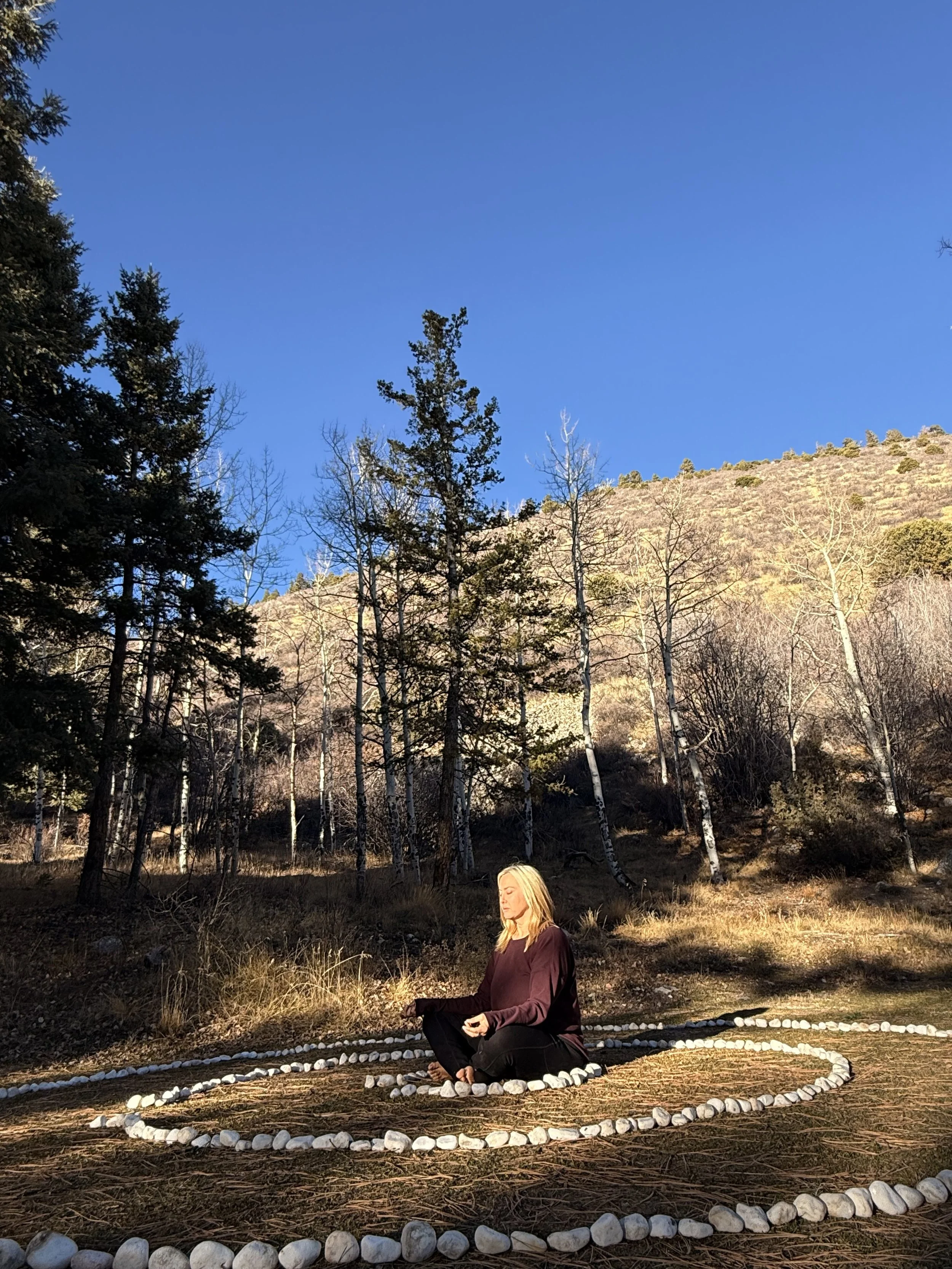
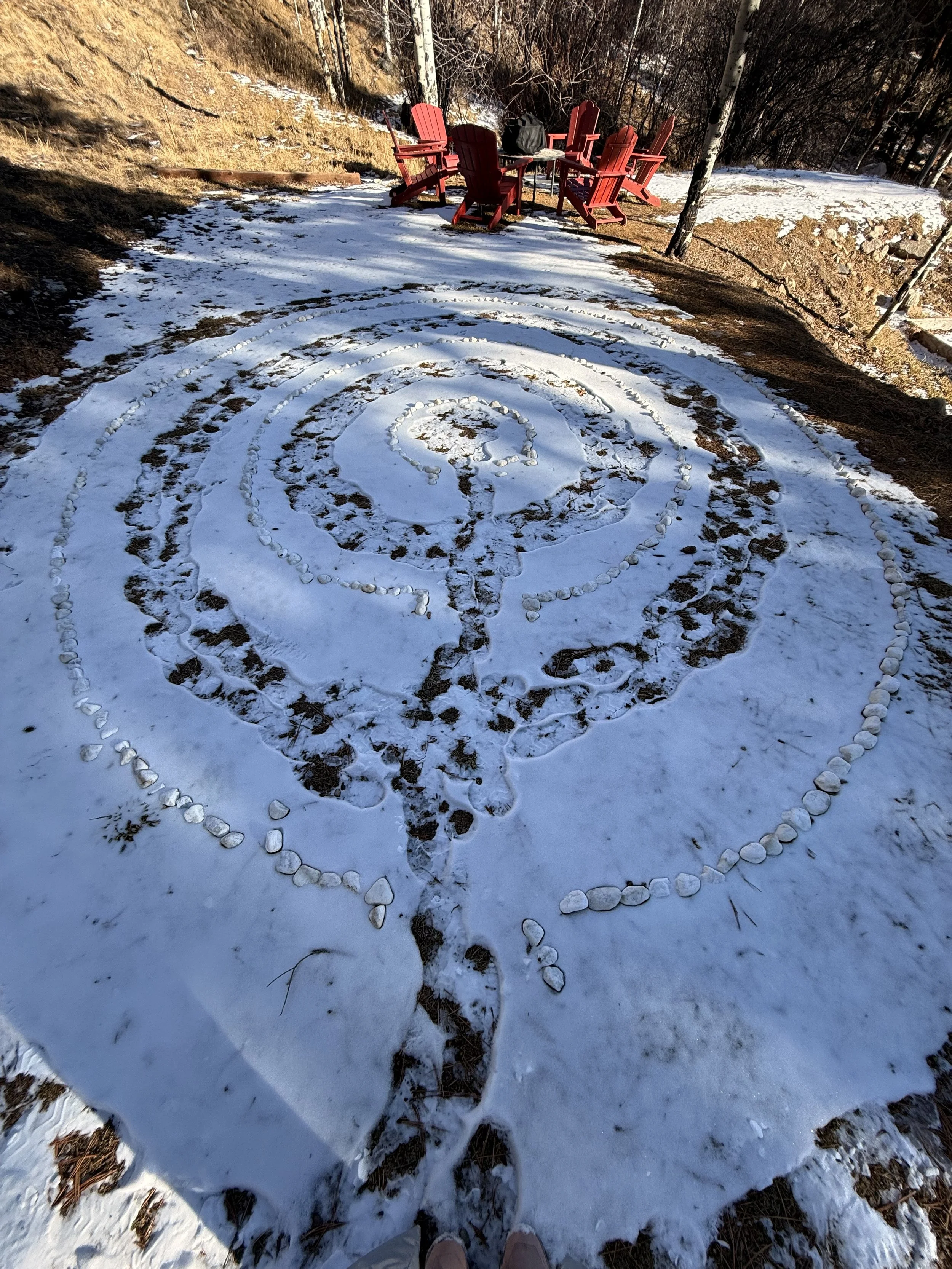
Praying in the labyrinth
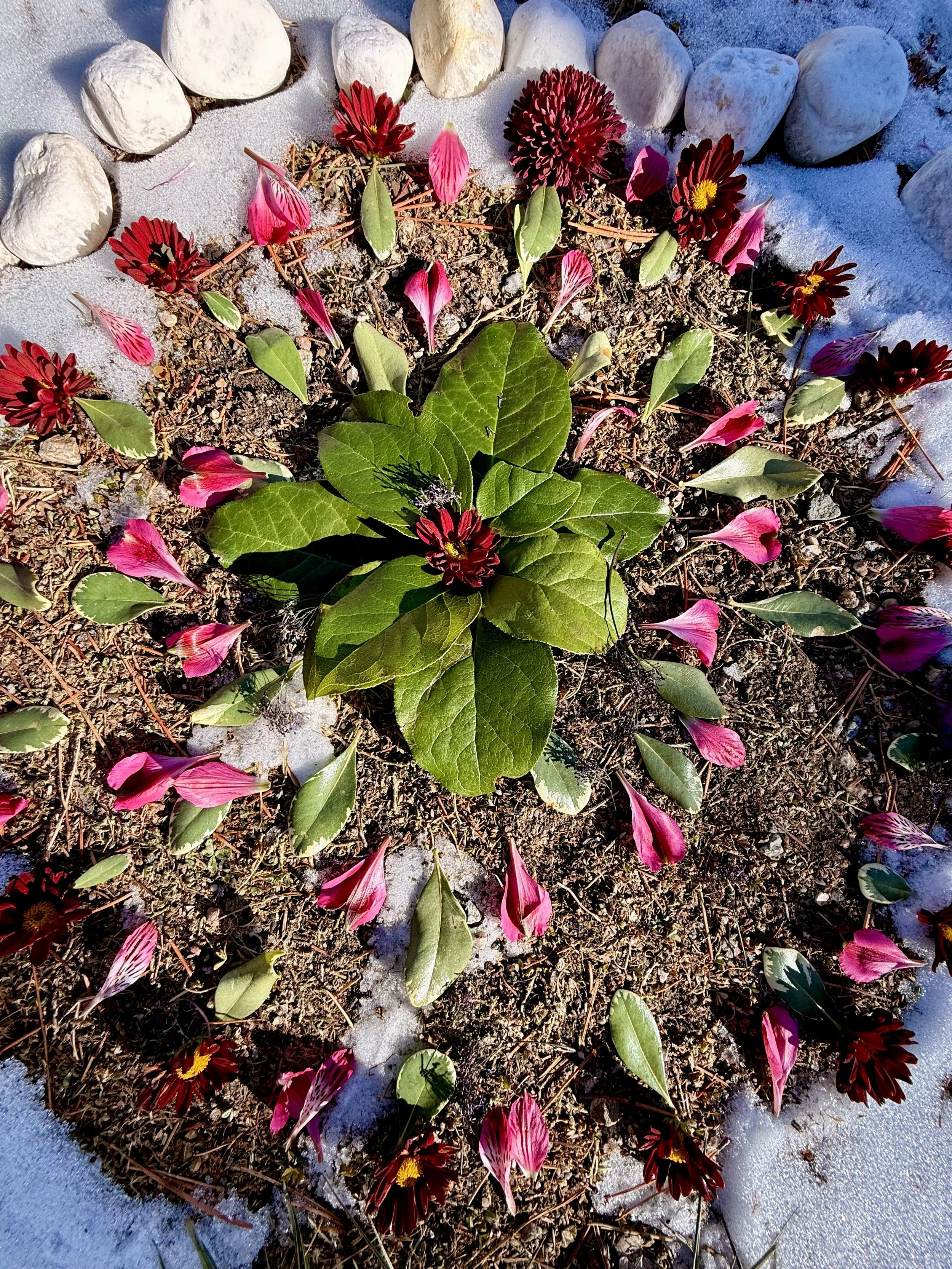
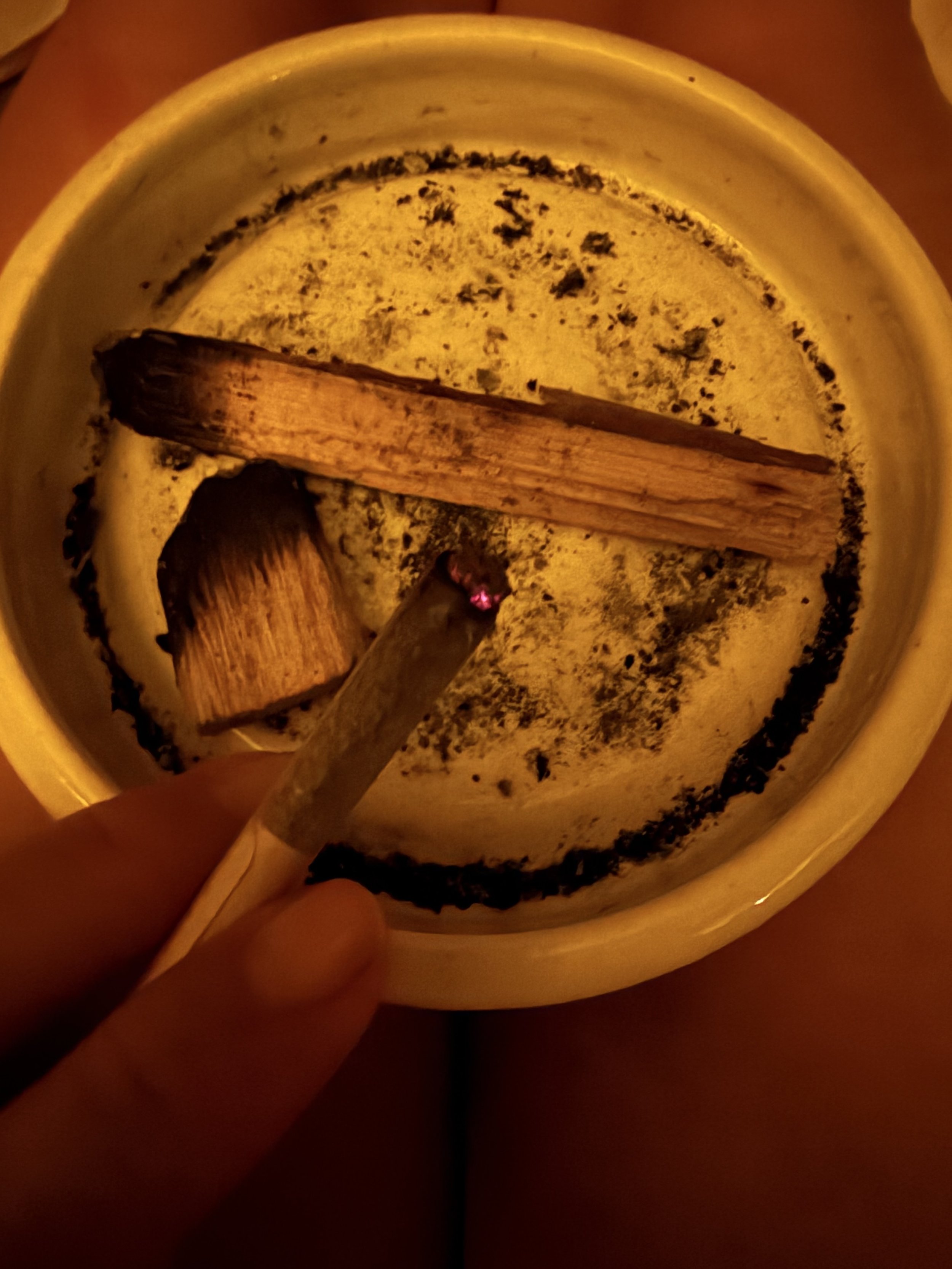
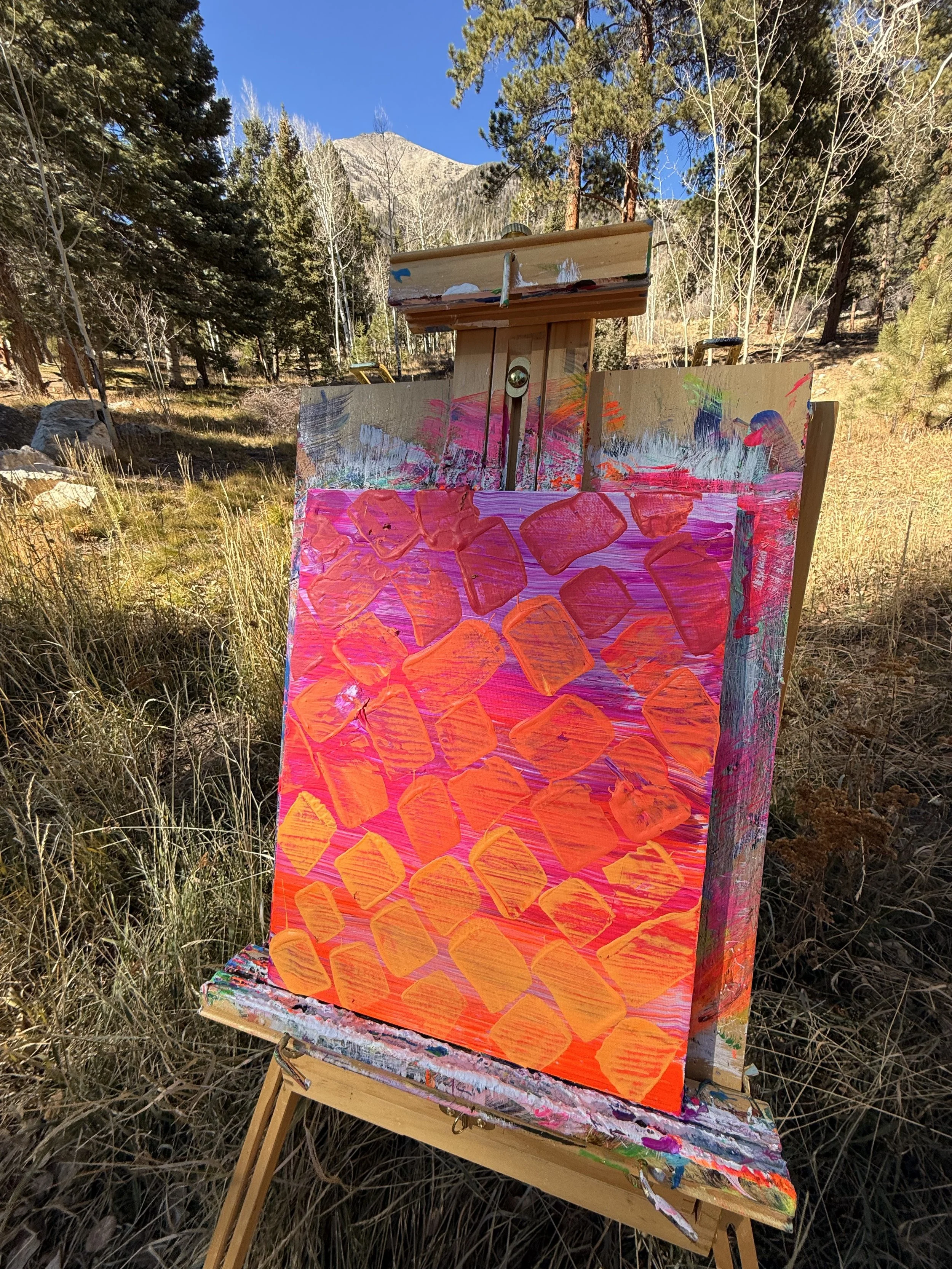
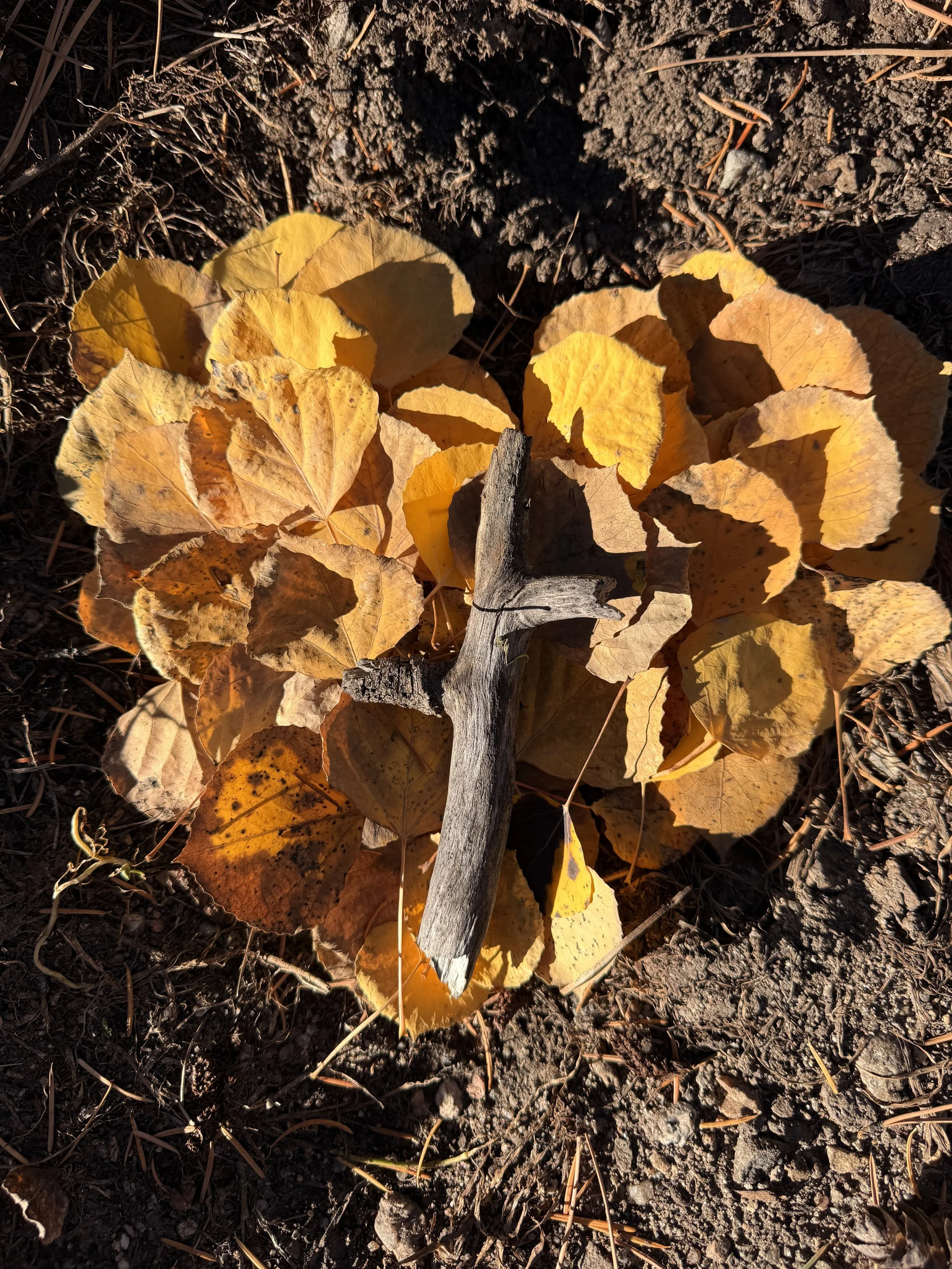
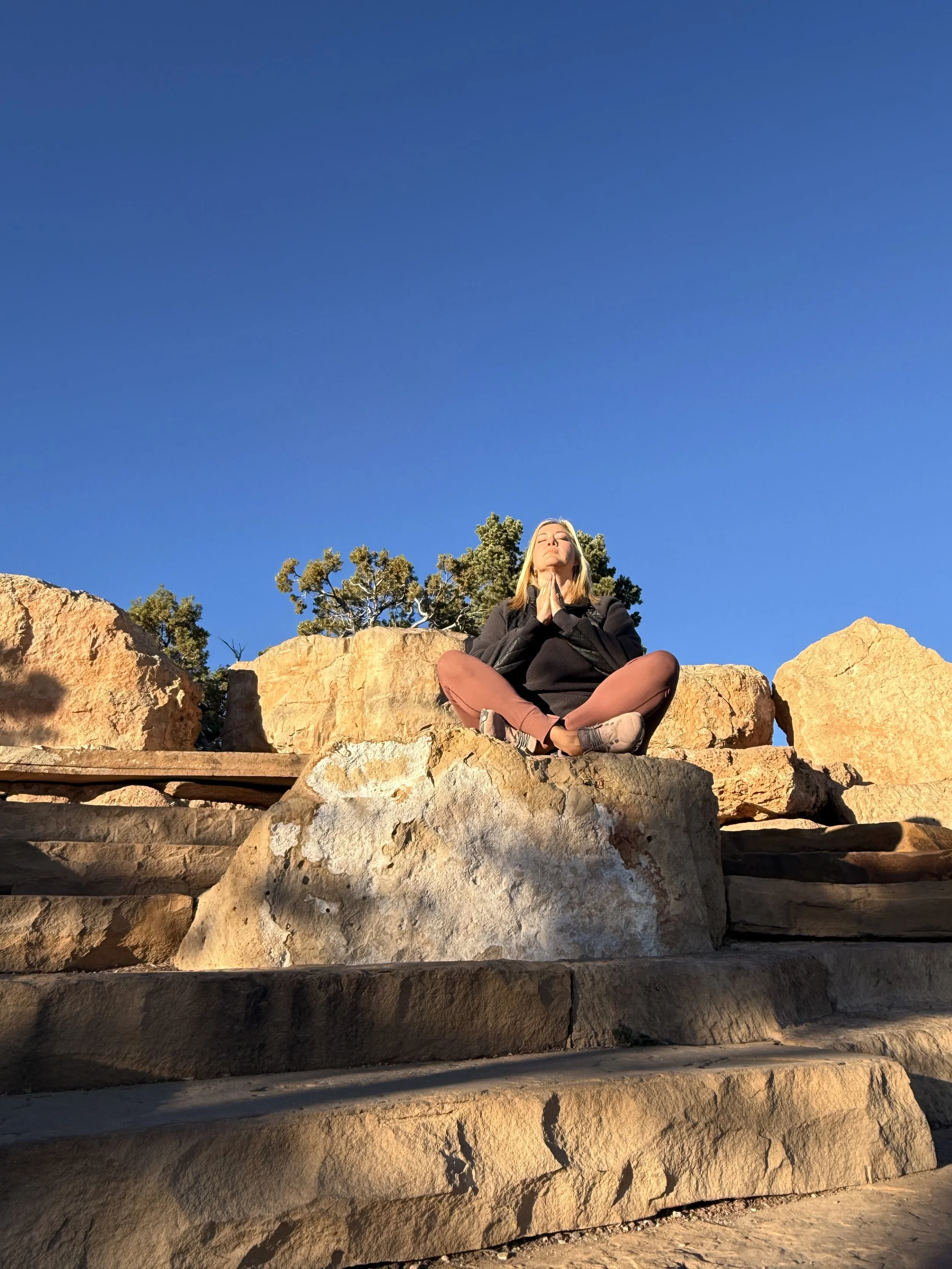
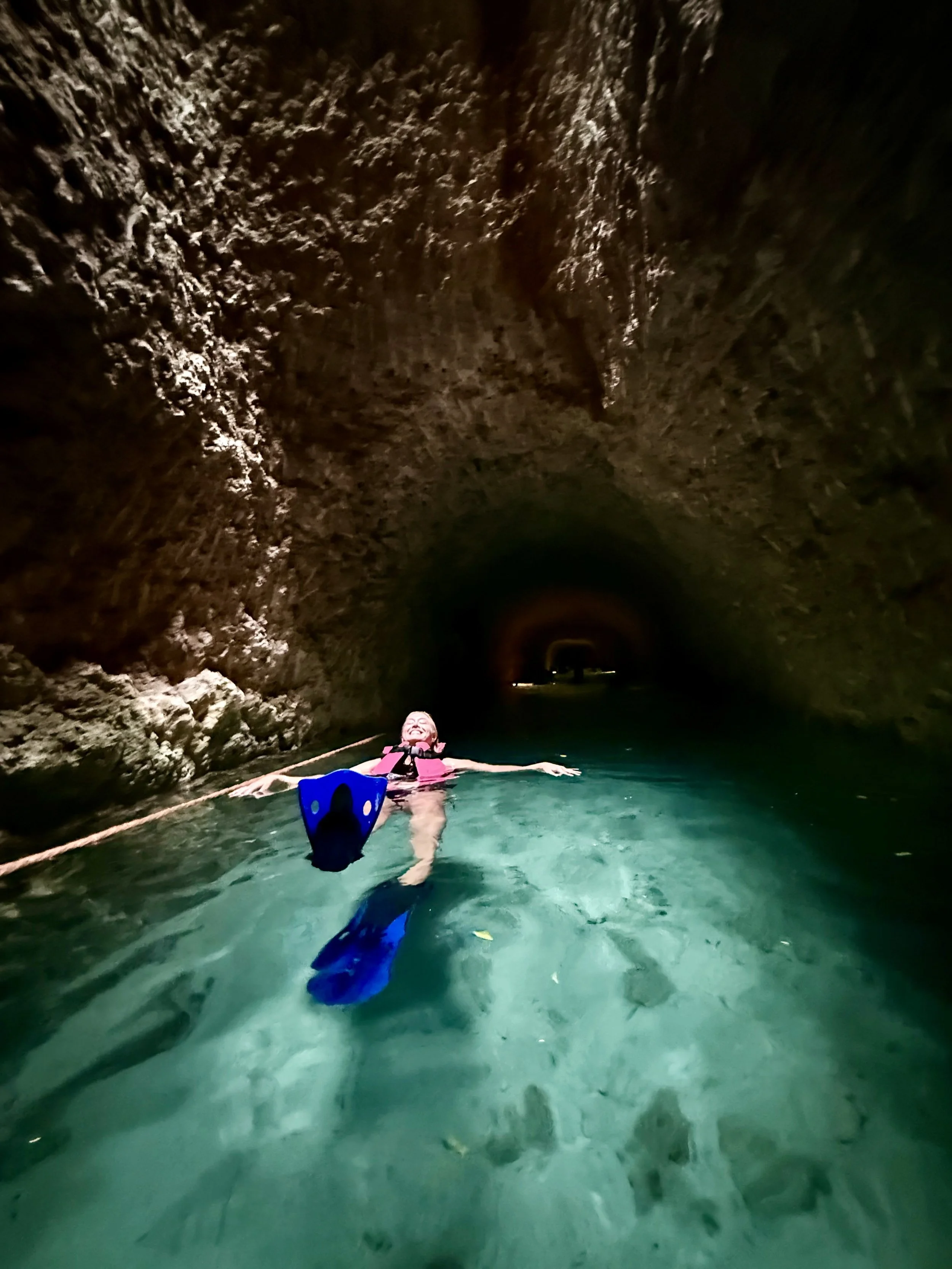
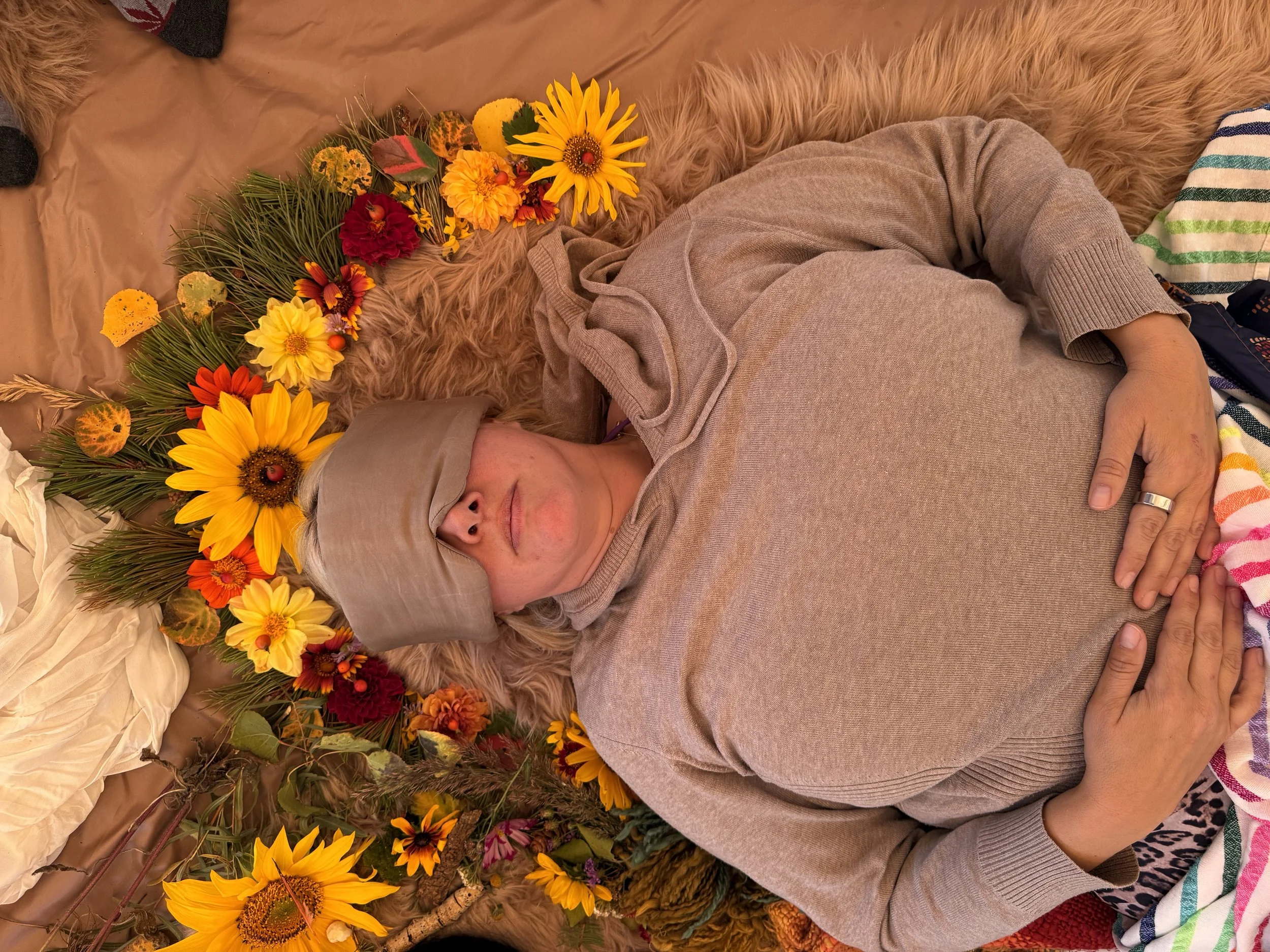
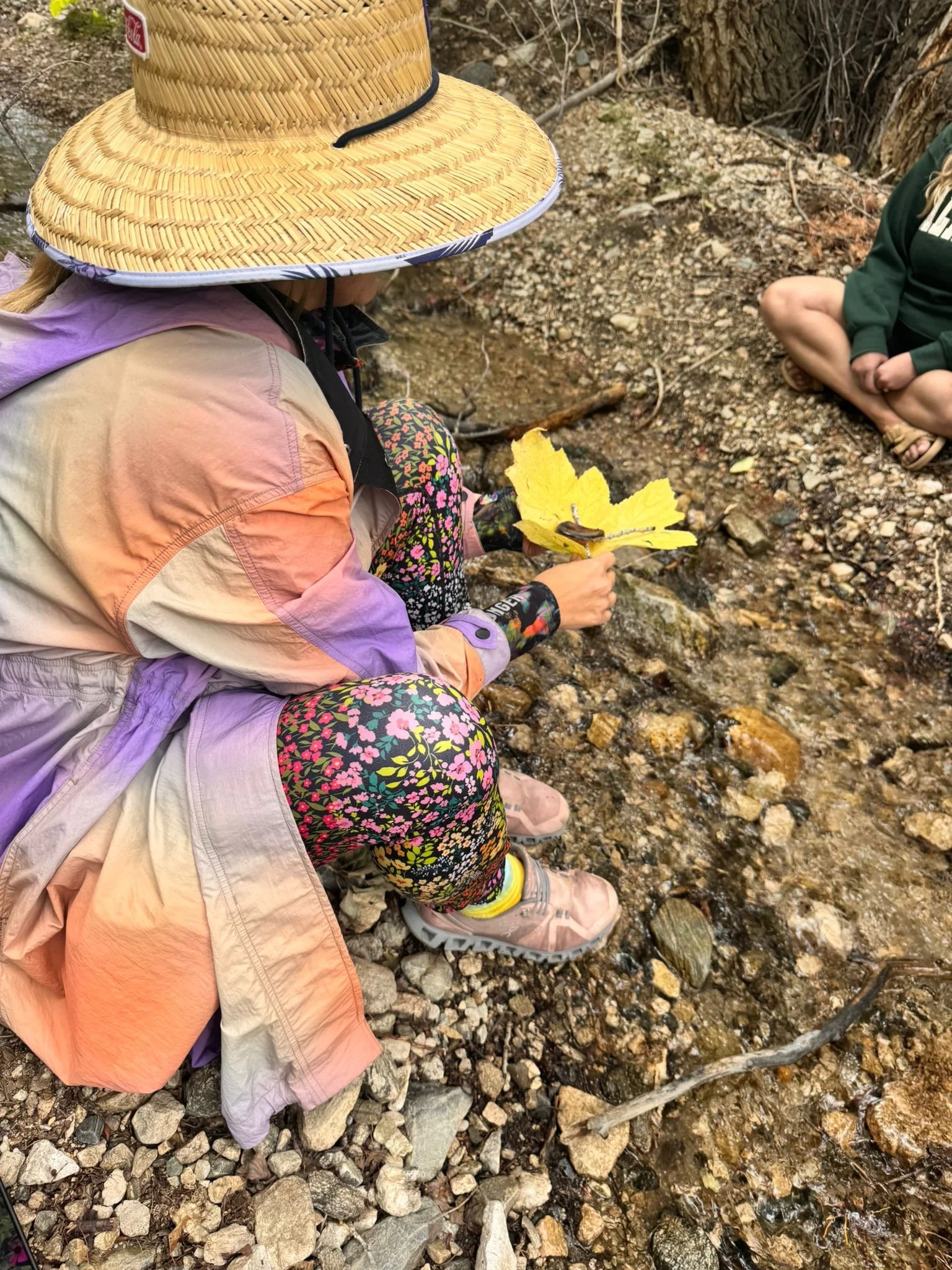
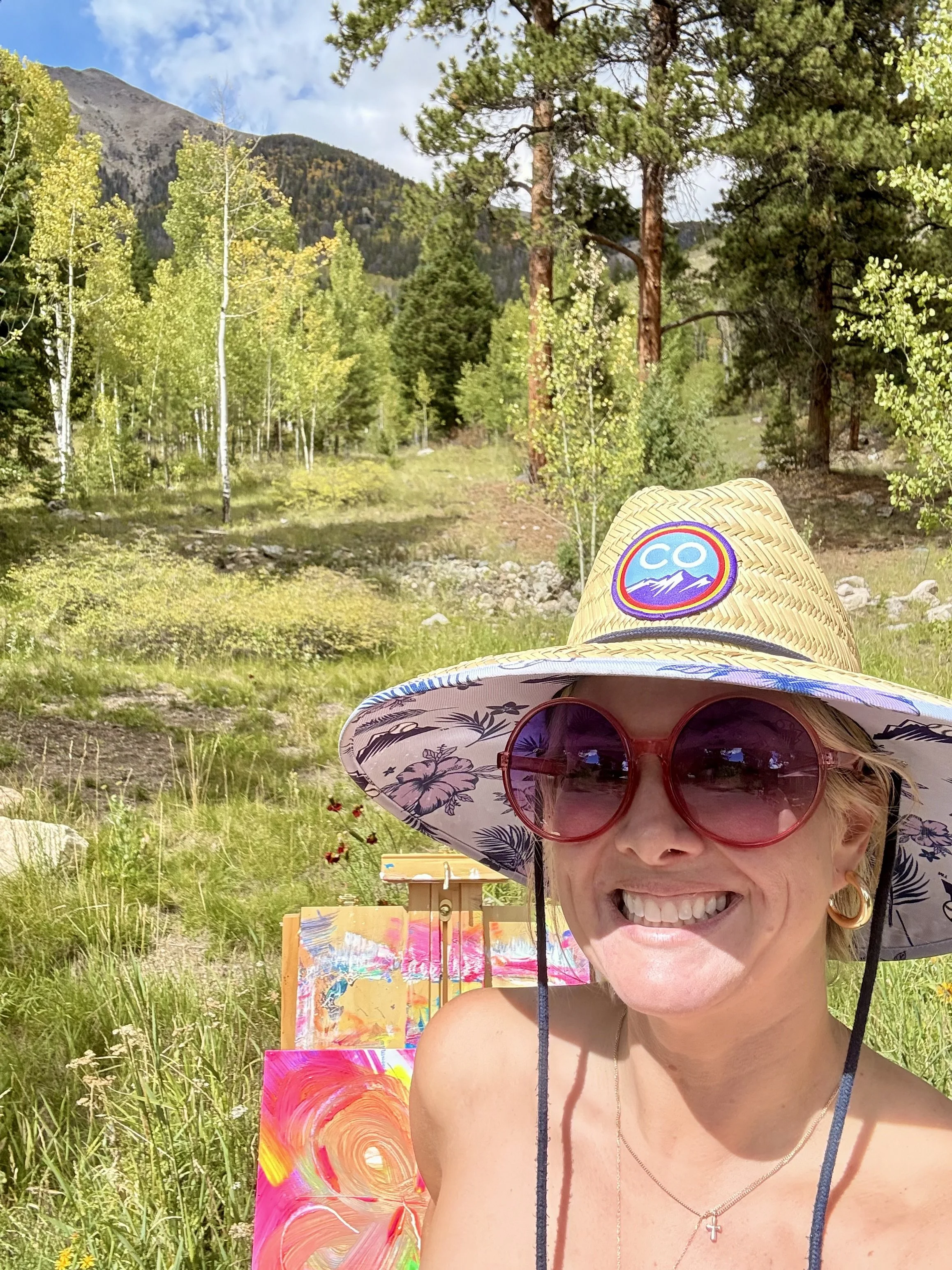
More and more, my prayers have become experiential rather than explanatory. It shows up through my body before it ever reaches language. I build altars—simple, tactile arrangements of objects gathered along my walks—and in the act of placing each item with intention, my attention becomes prayer. I paint in the nude, not to produce something, but to listen, letting color and movement express what words can’t carry. In Janzu, prayer happens through surrender—floating, trusting, being held—where the body learns what the mind struggles to believe.
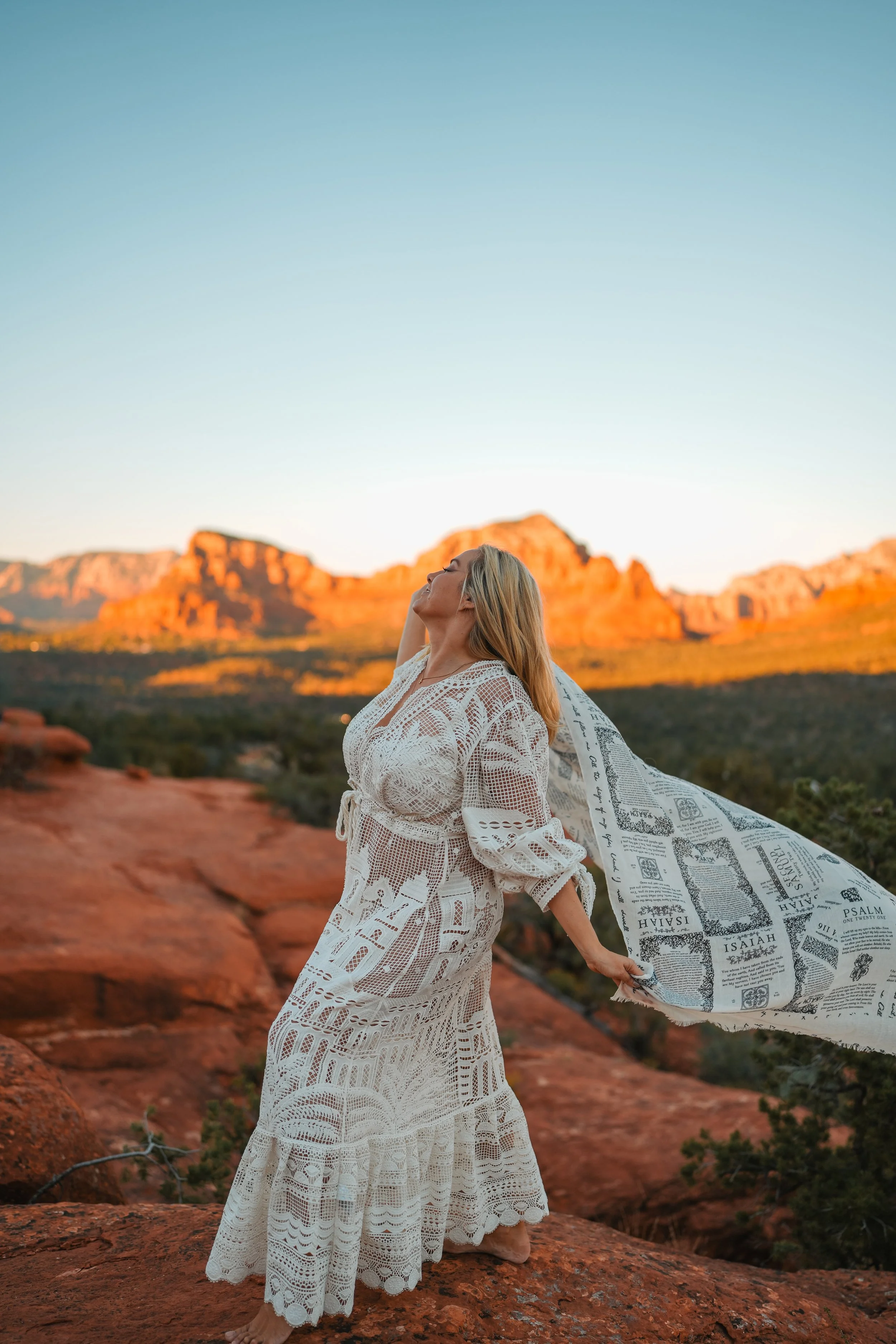
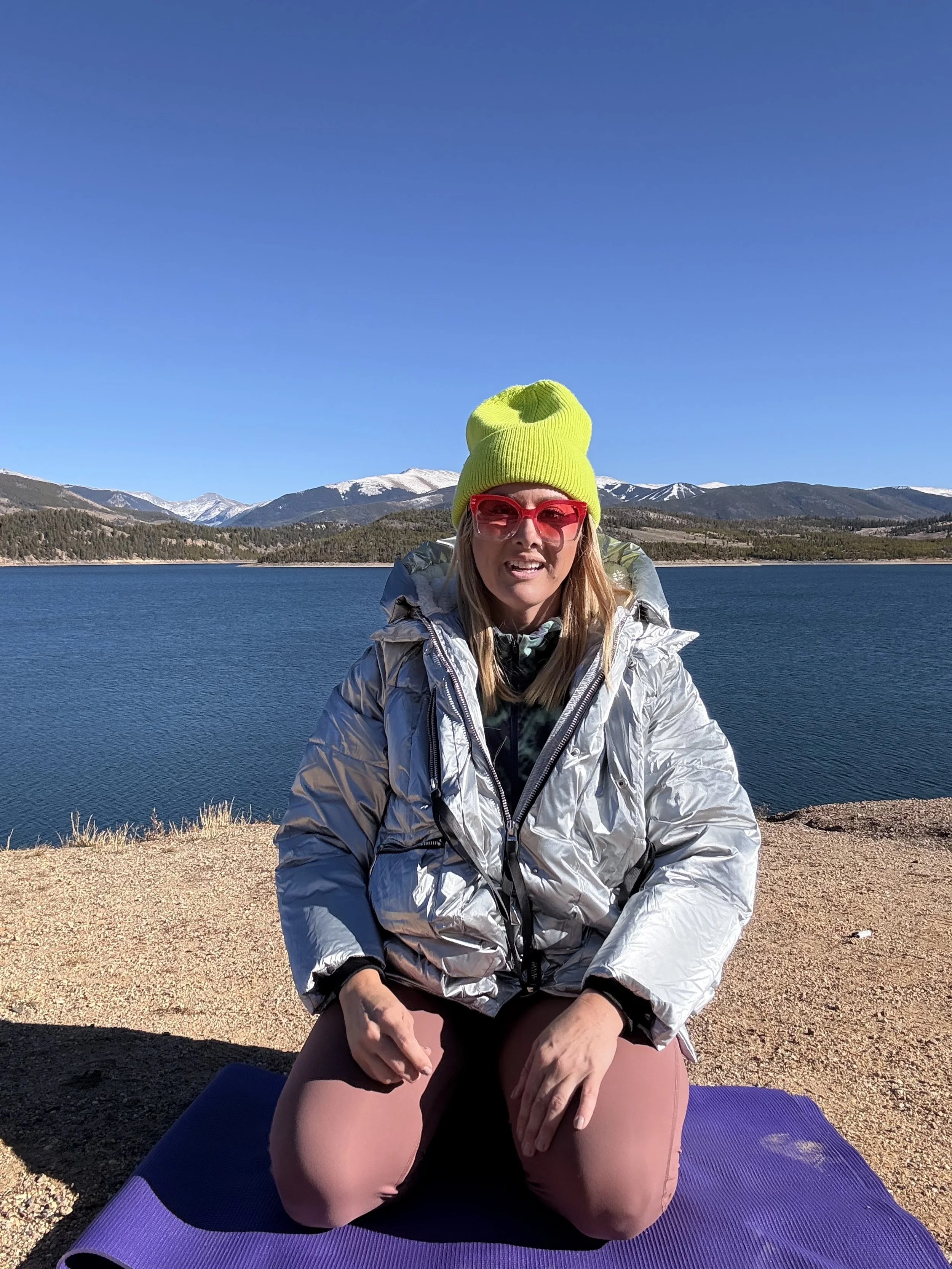
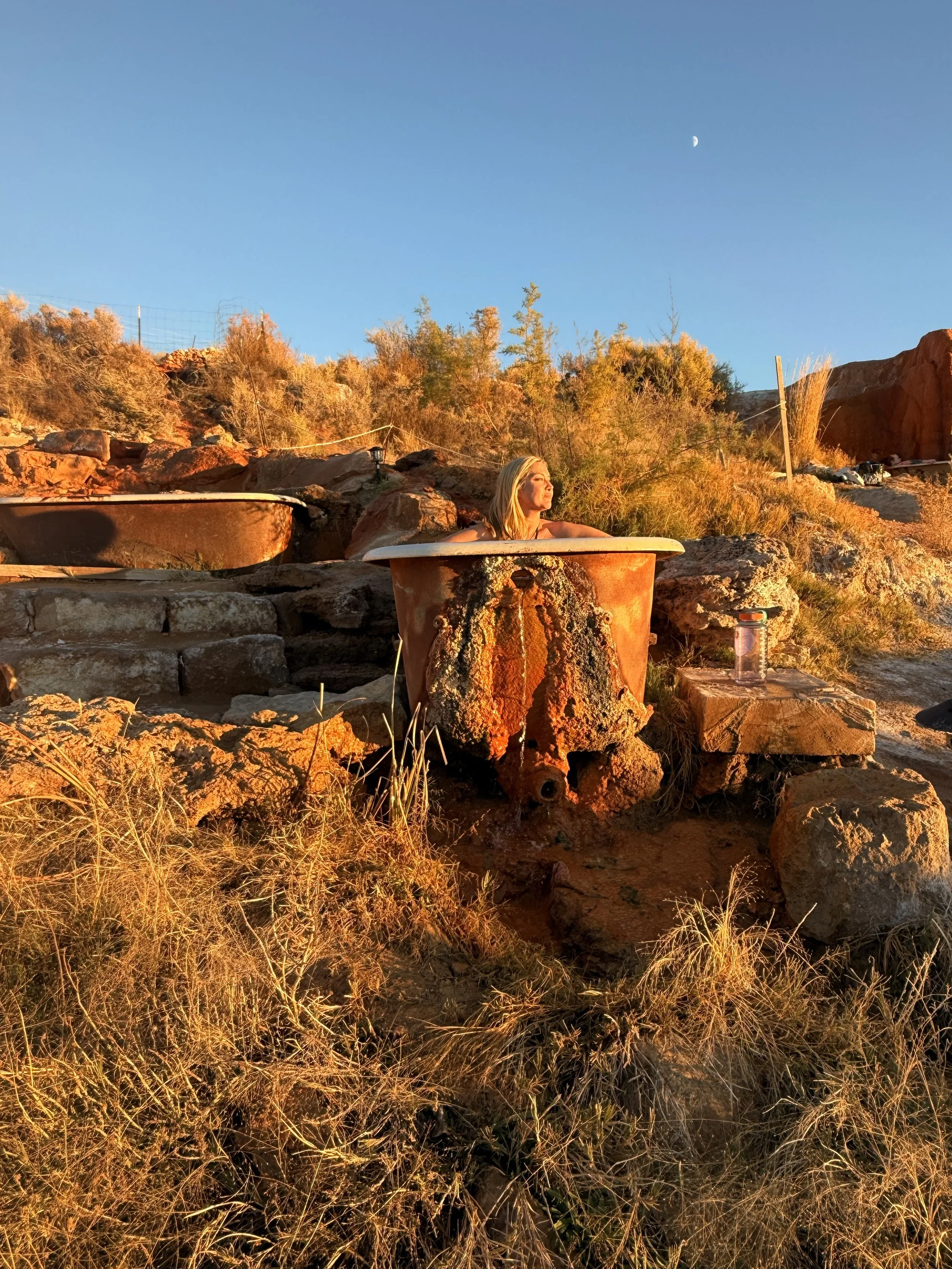
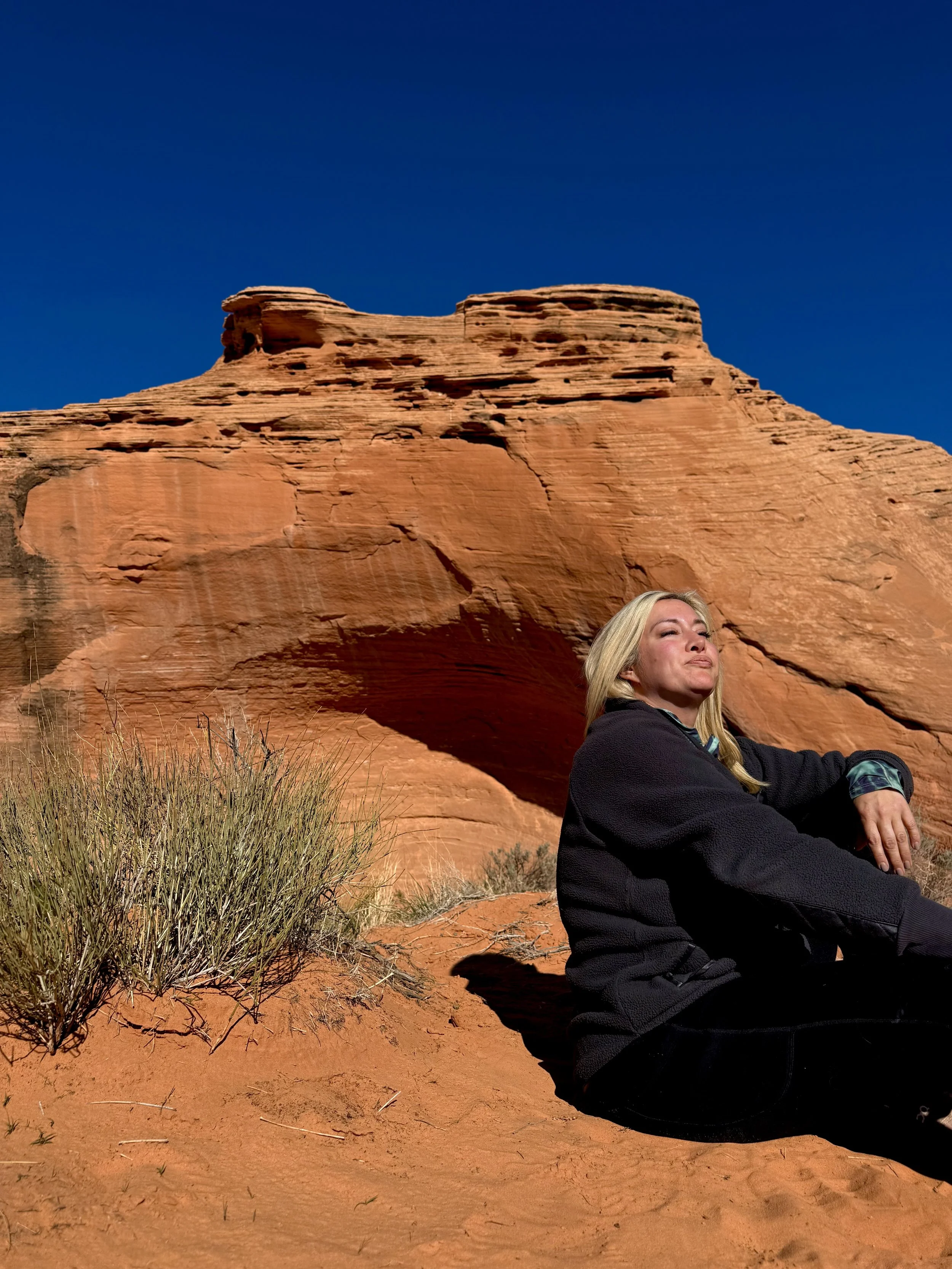
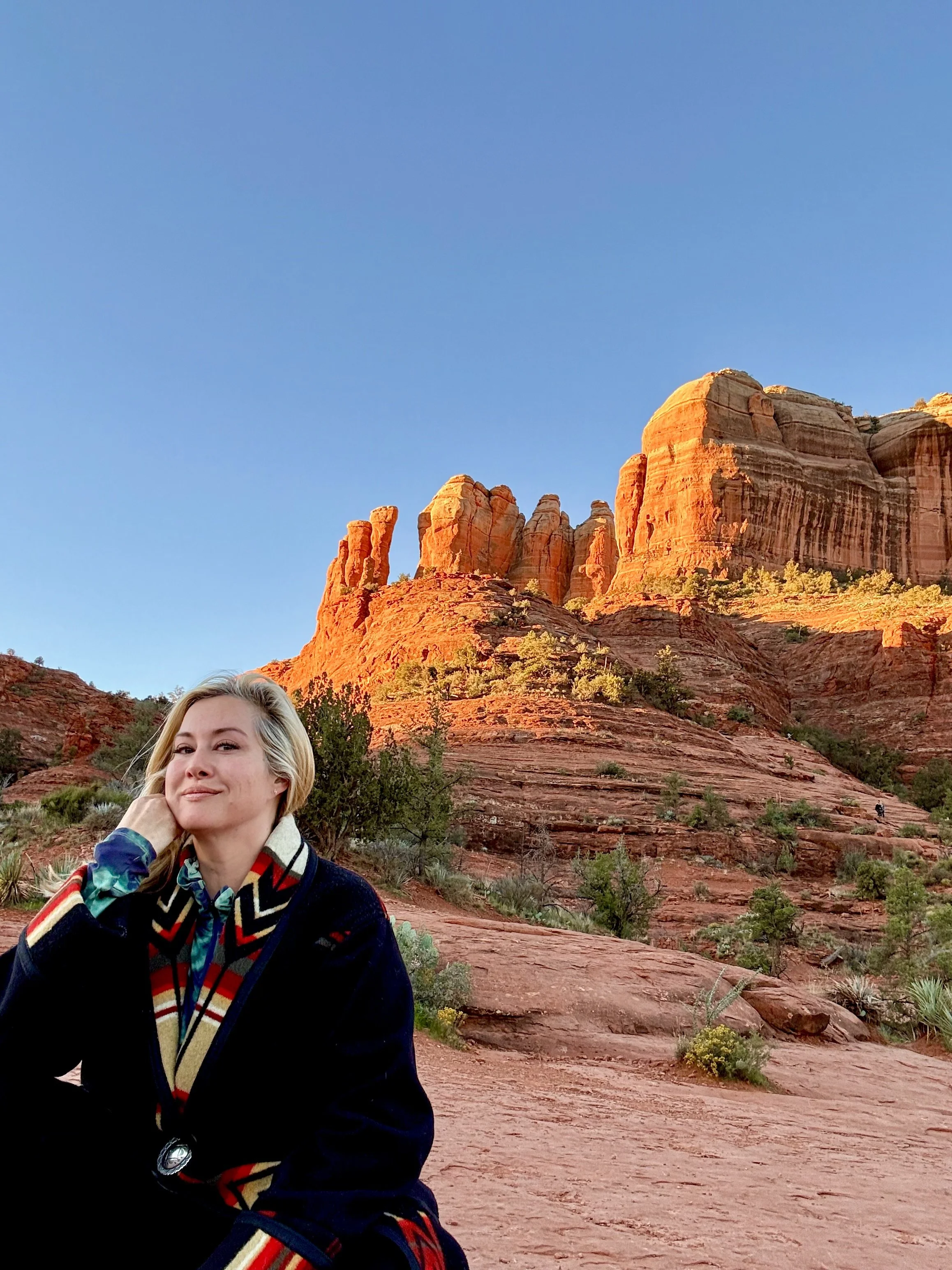
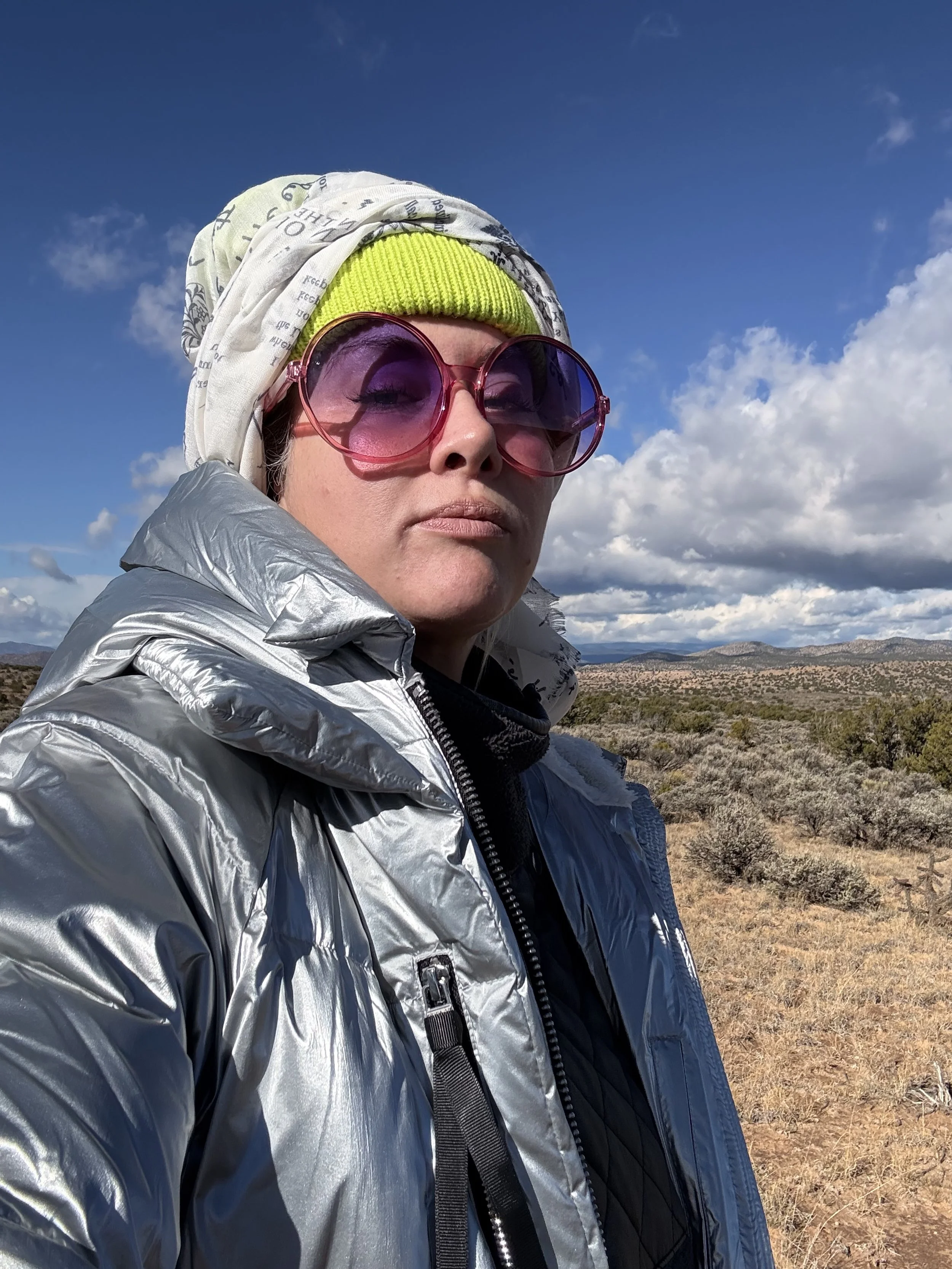
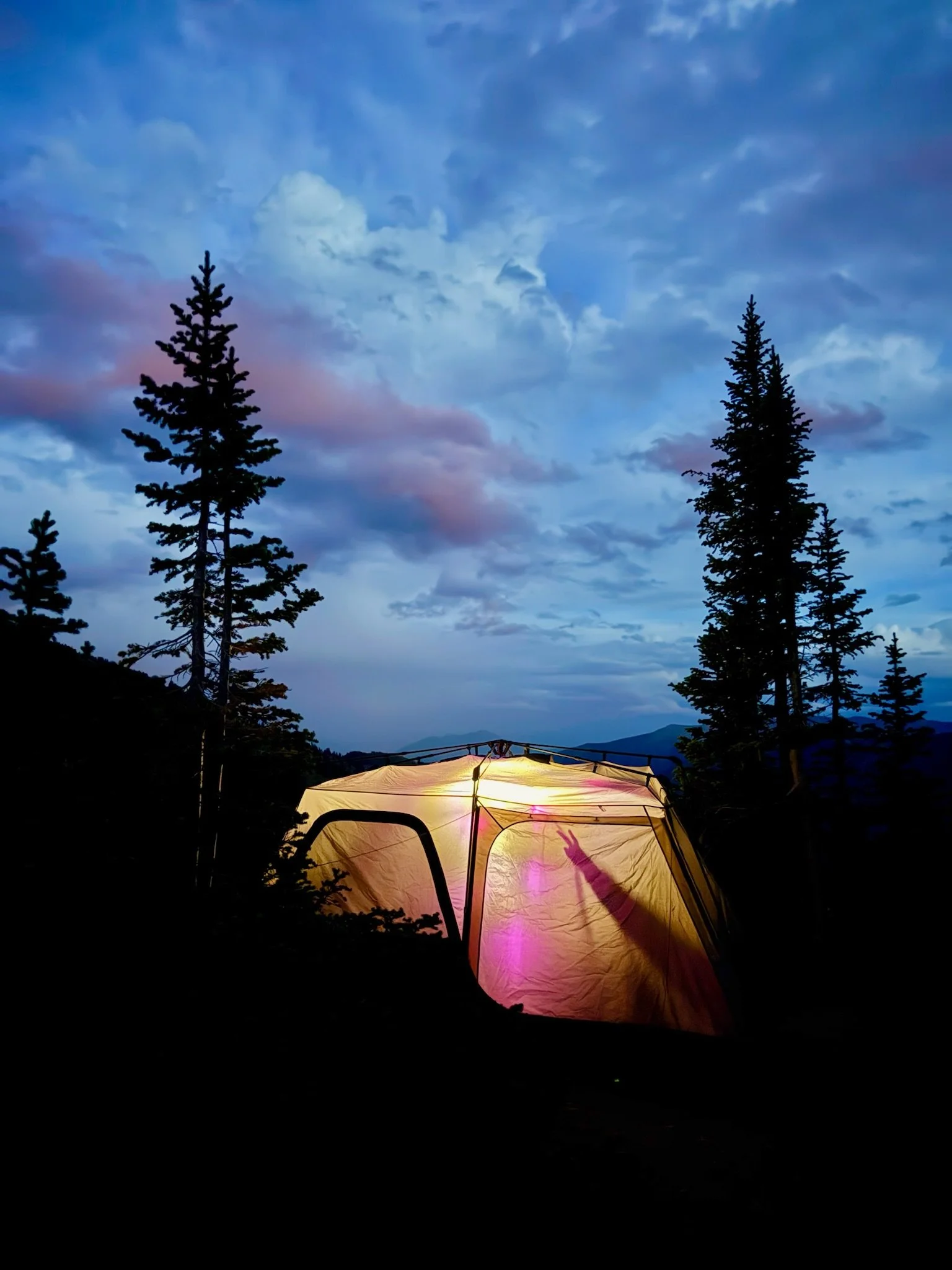
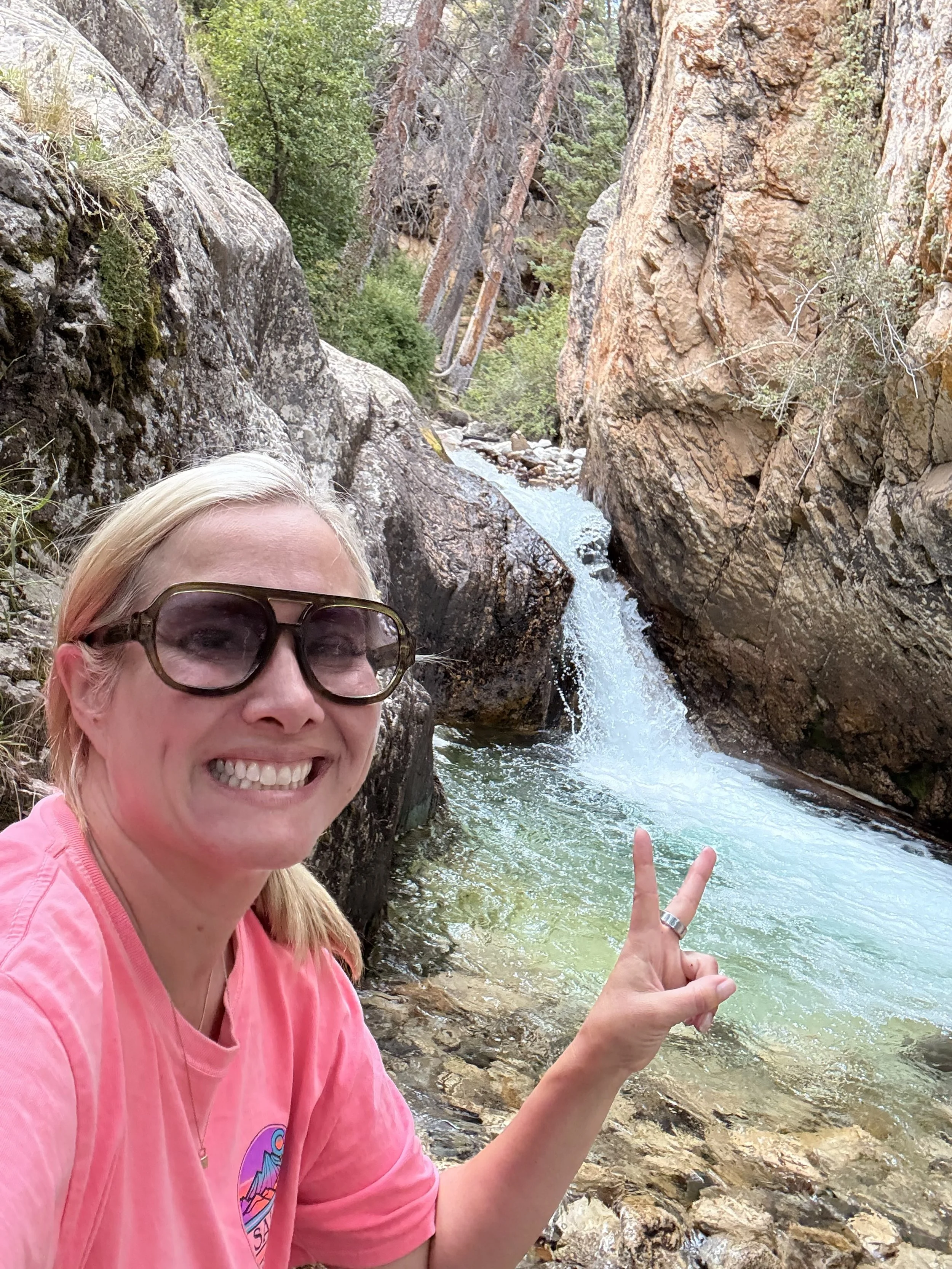
Whether I’m fishing, camping, hiking, painting, dancing, playing, creating, or singing, these practices don’t replace traditional prayer; they deepen it. They invite me to participate rather than perform, to feel communion rather than describe it. Experiential prayer meets me where I am embodied, reminding me that my body is not an obstacle to God, but a sacred site of encounter.
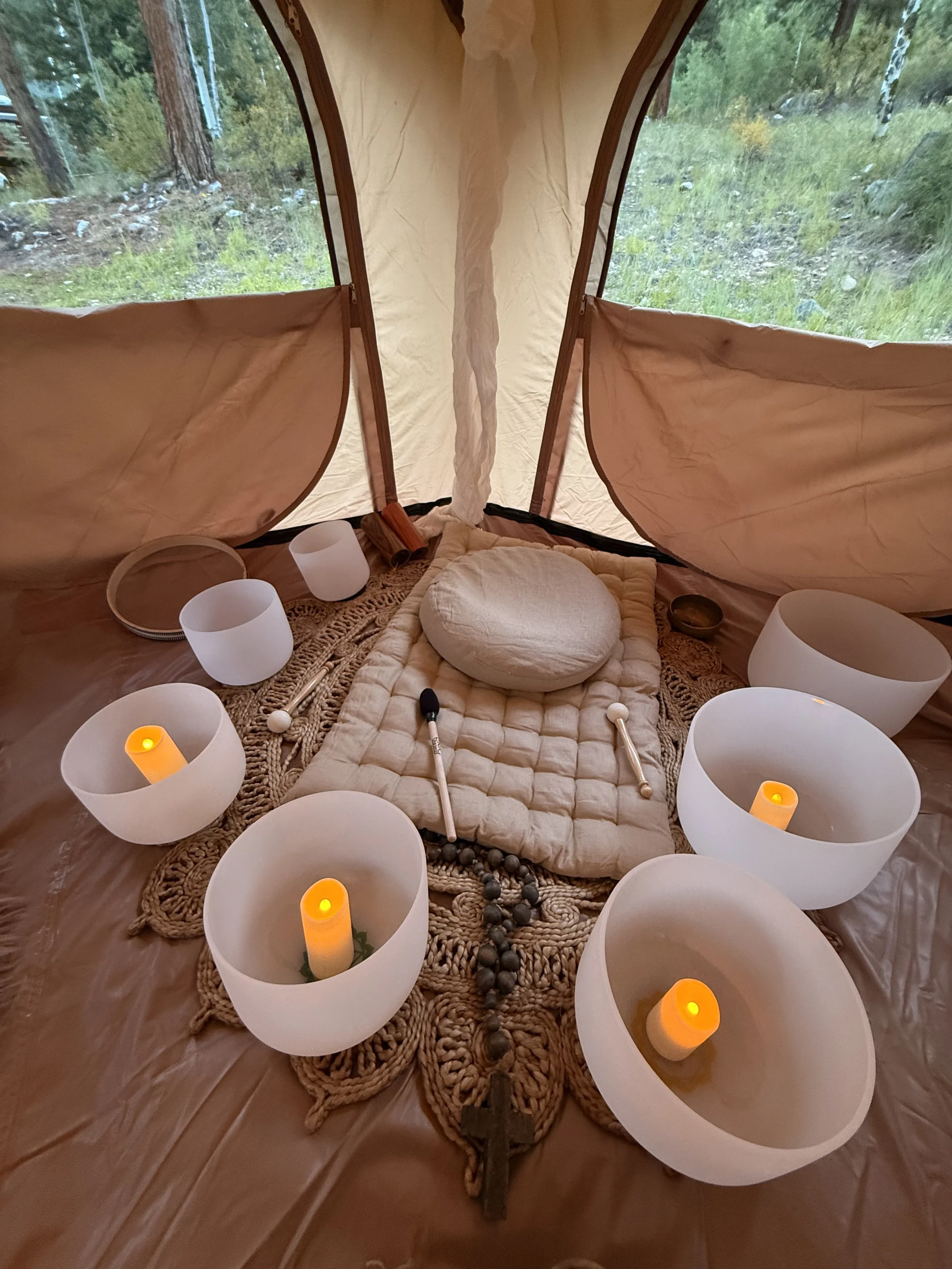
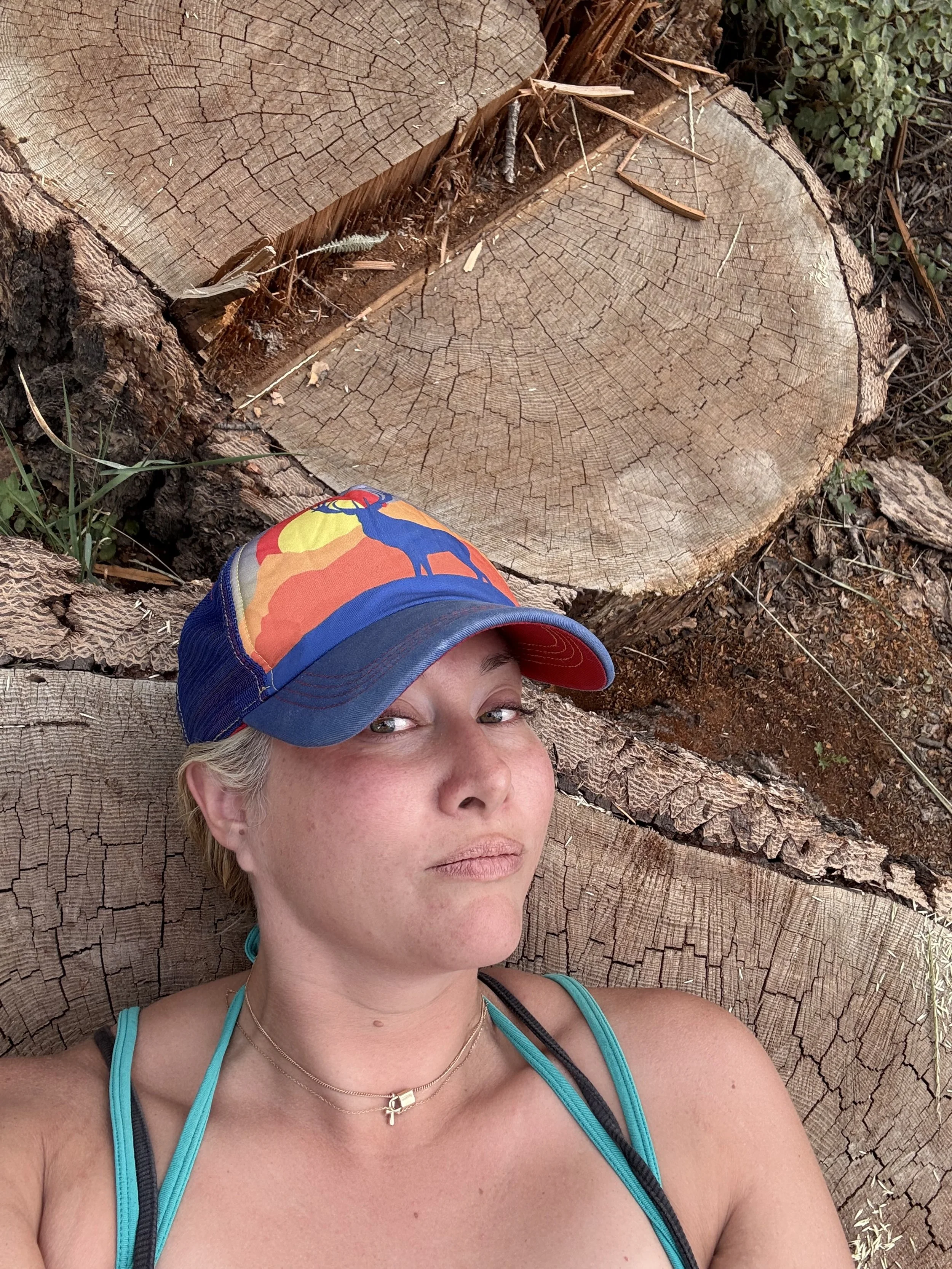
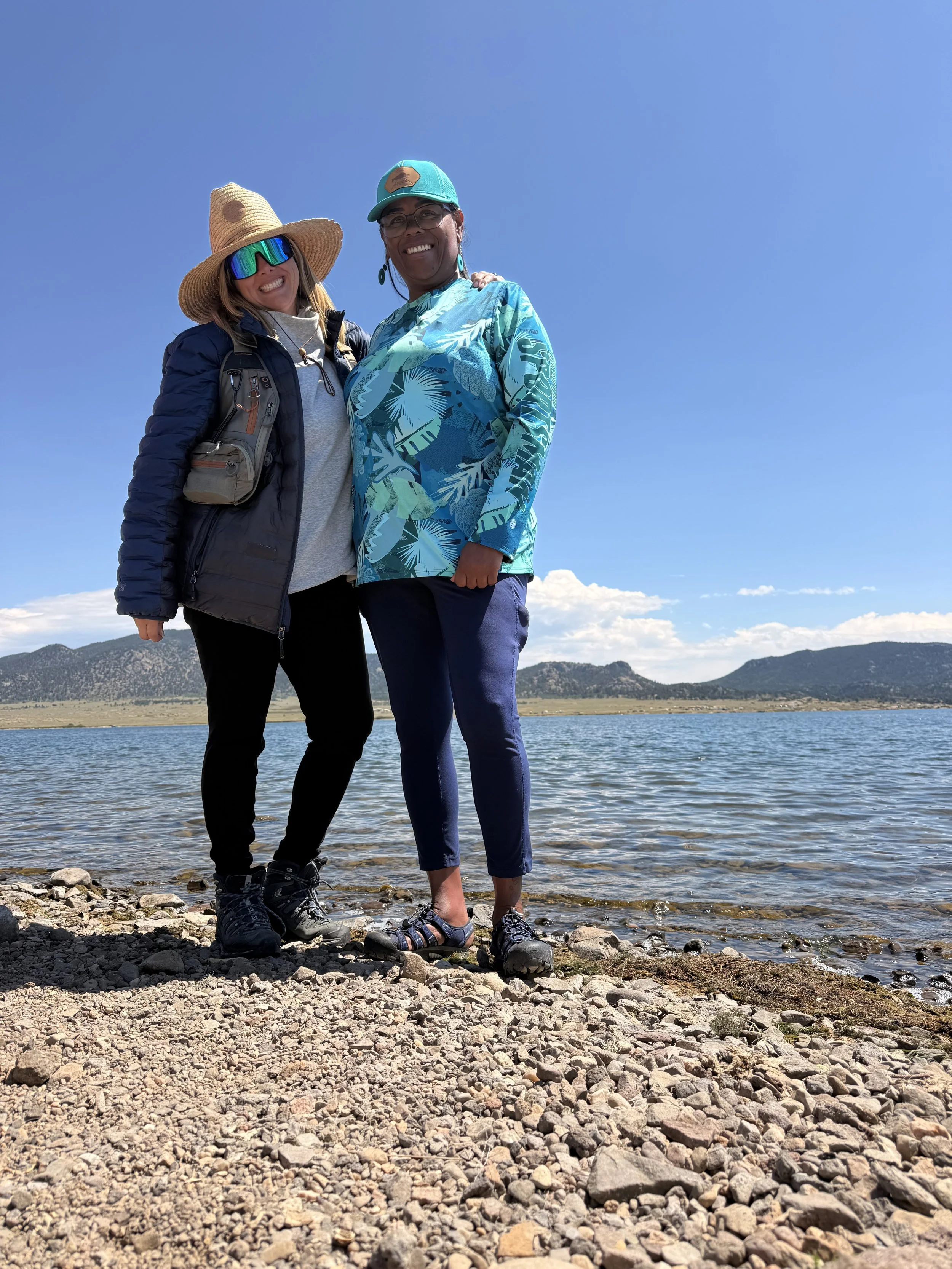
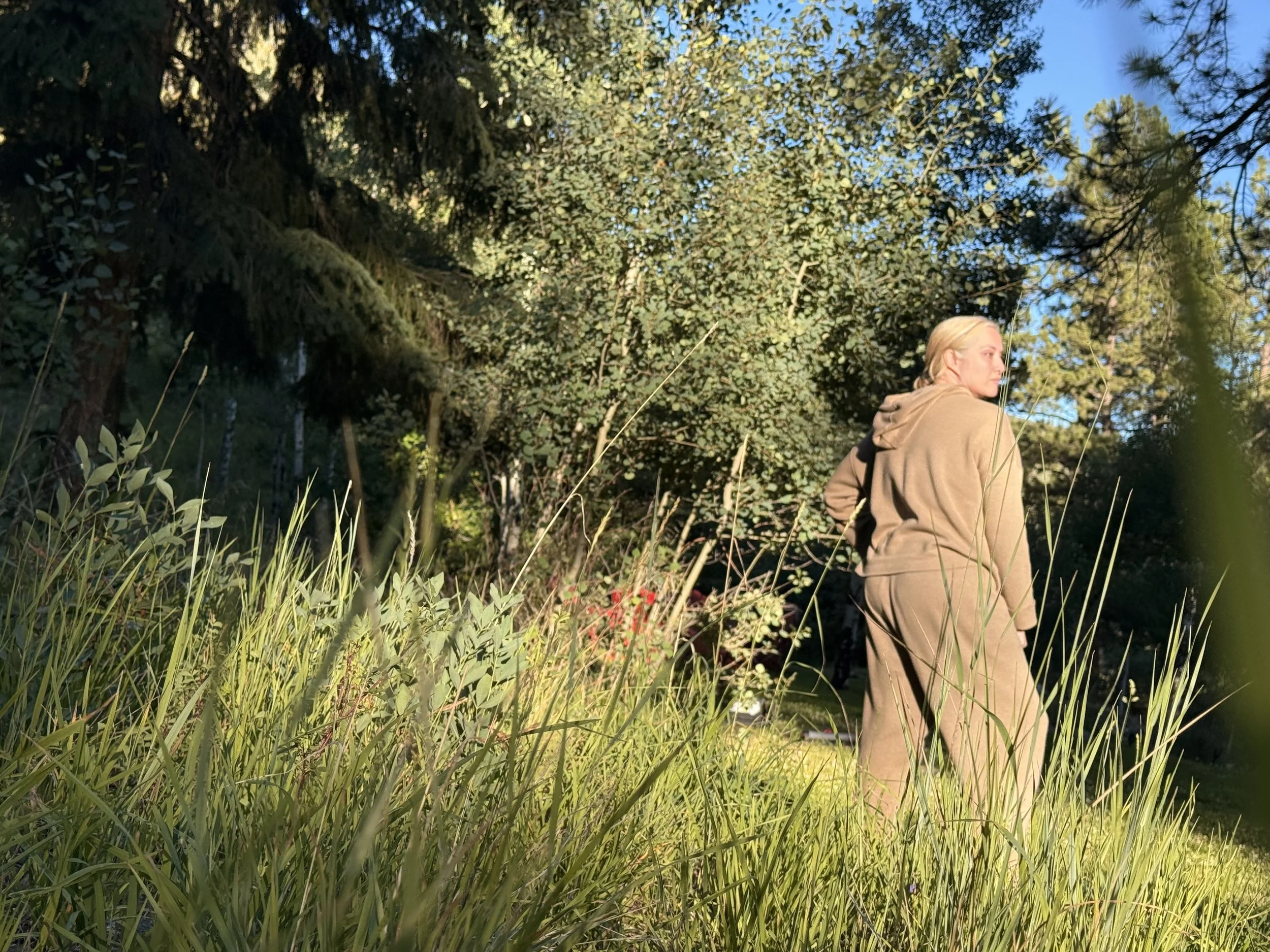
That embodied knowing (gnosis) deepened in Iceland, standing beneath the aurora borealis—watching green and red ribbons of light move across the night sky in total silence. There were no words for that moment, no theology that could contain it. Just awe moving through my body like electricity. I wasn't observing creation from a distance; I was inside it. The sky wasn't speaking to me—it was speaking through me. Prayer didn't rise upward. It expanded outward.
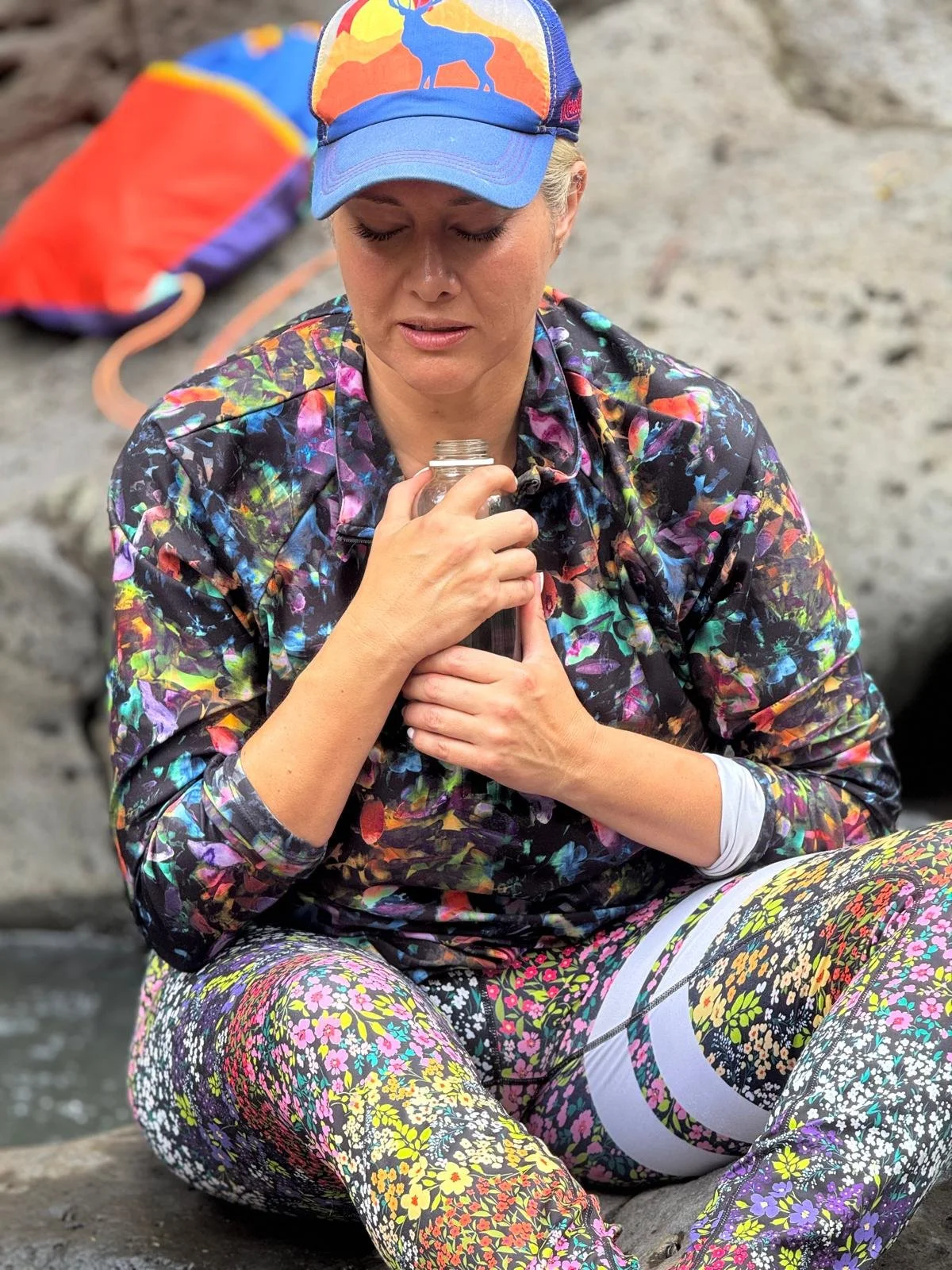
In Tepoztlán, Mexico, while learning Janzu, prayer took an even more somatic form. Floating in warm water, eyes closed, body held and guided without effort, I experienced surrender at a cellular level. Breath slowed. Muscles softened. Control dissolved. I wasn't directing prayer—I was being prayed through. Mother water became teacher. Trust became language. God was not separate from my body; God was meeting me inside it.
This is what nonduality has come to mean for me—not a philosophical concept, but a nervous system reality. No longer God over there and me over here. No sacred/secular divide. No separation between prayer and living. Just communion.
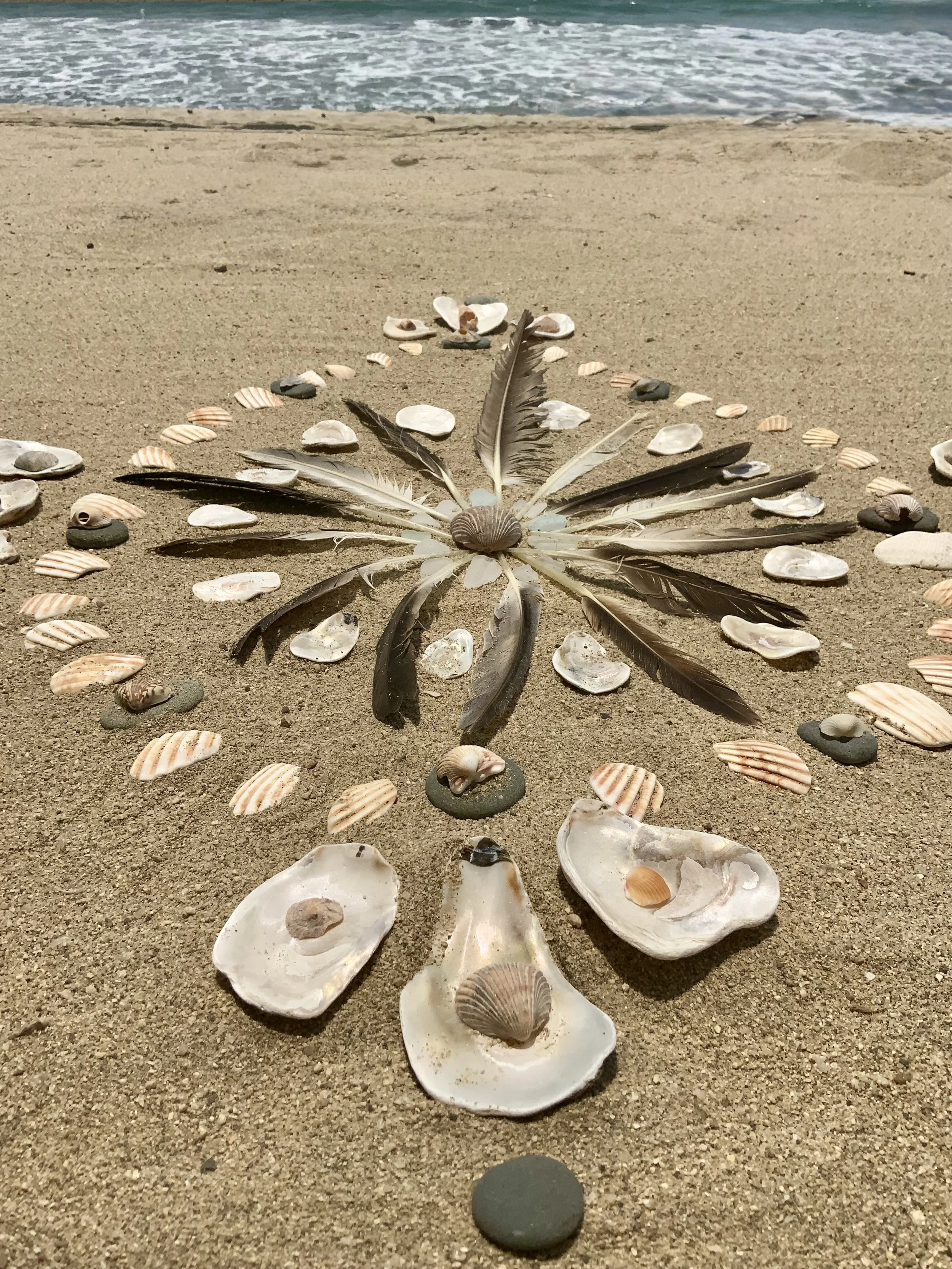
My Easter altar from 2025 in Bucerias, Mexico
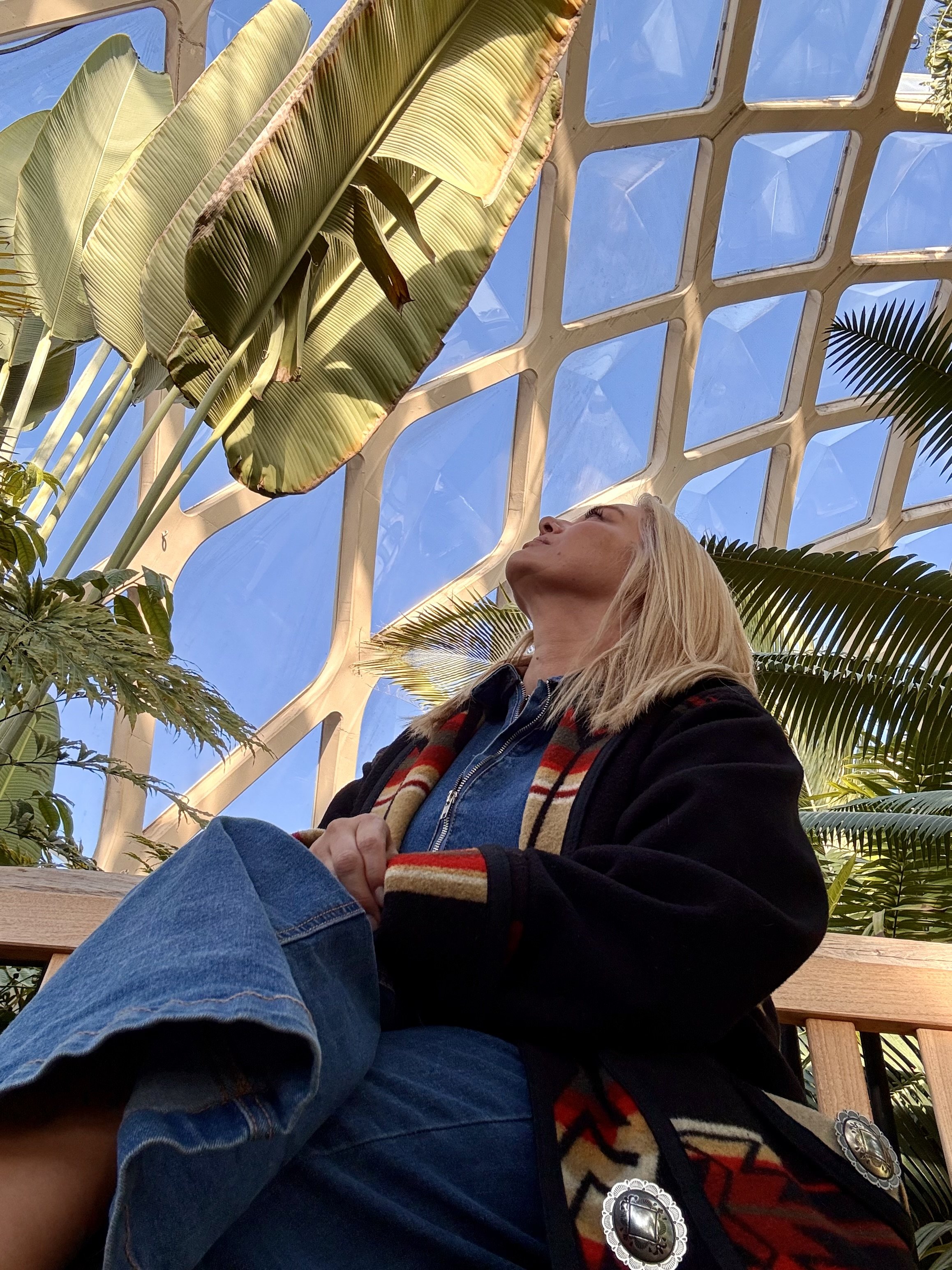
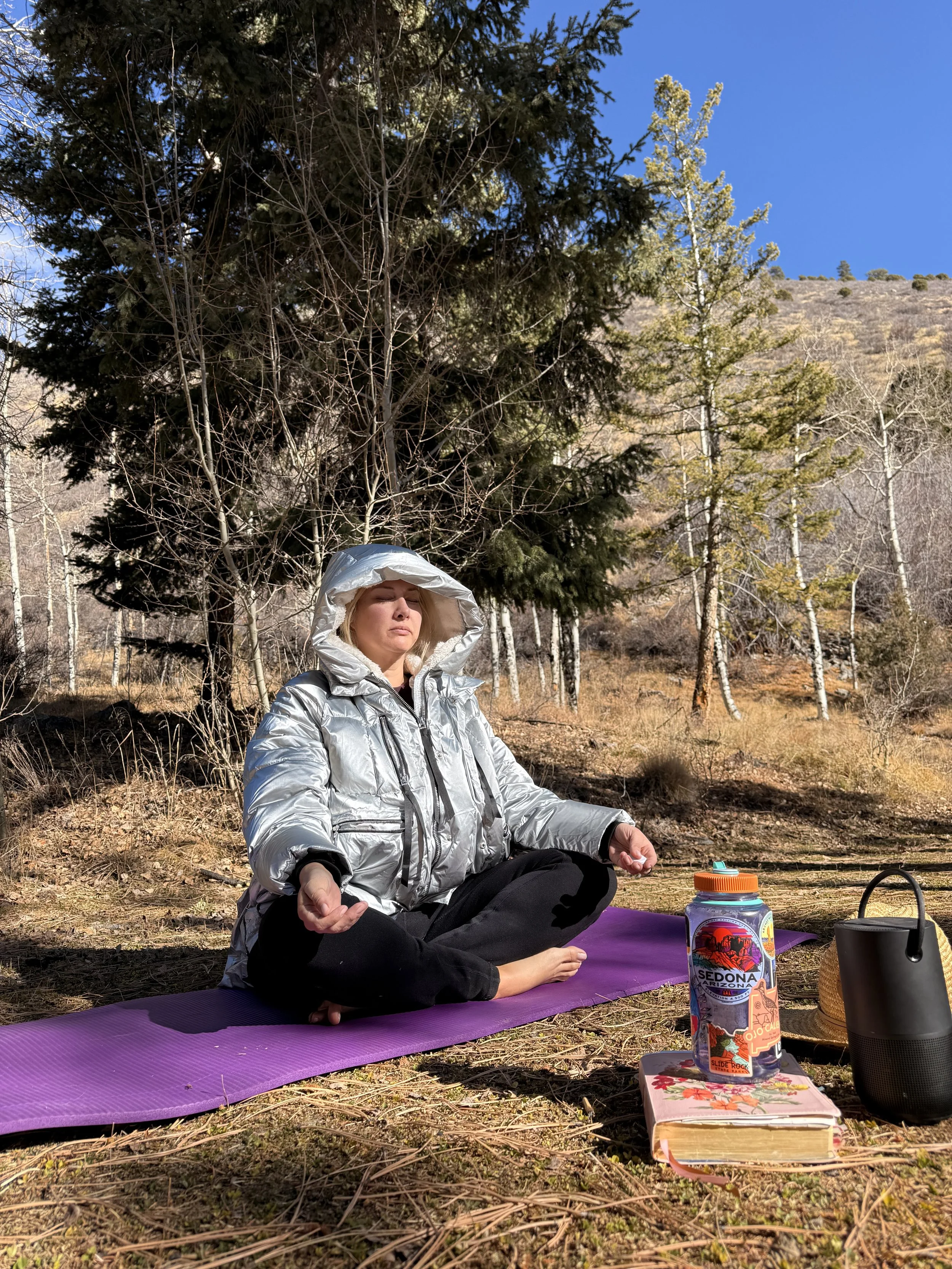
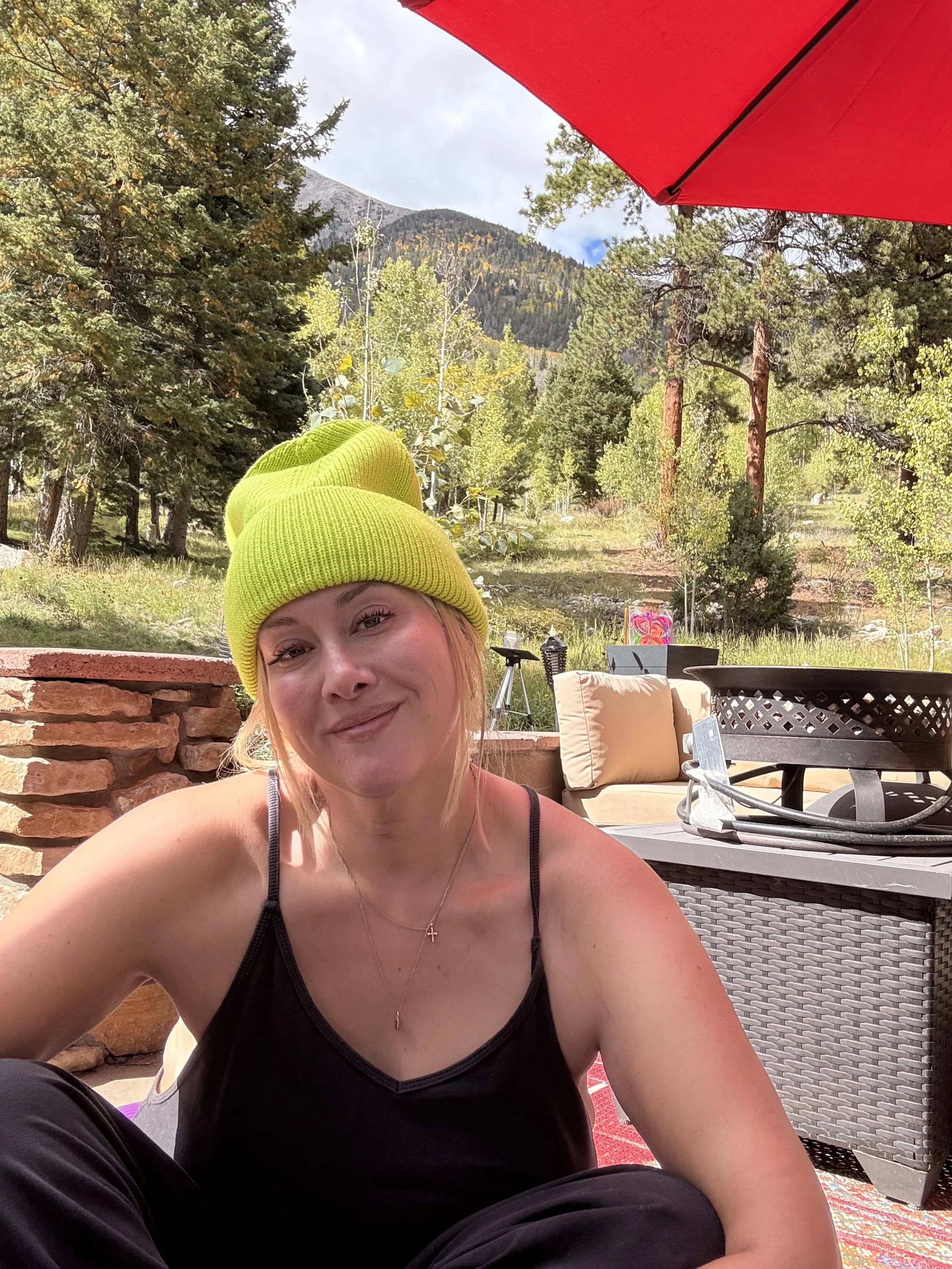
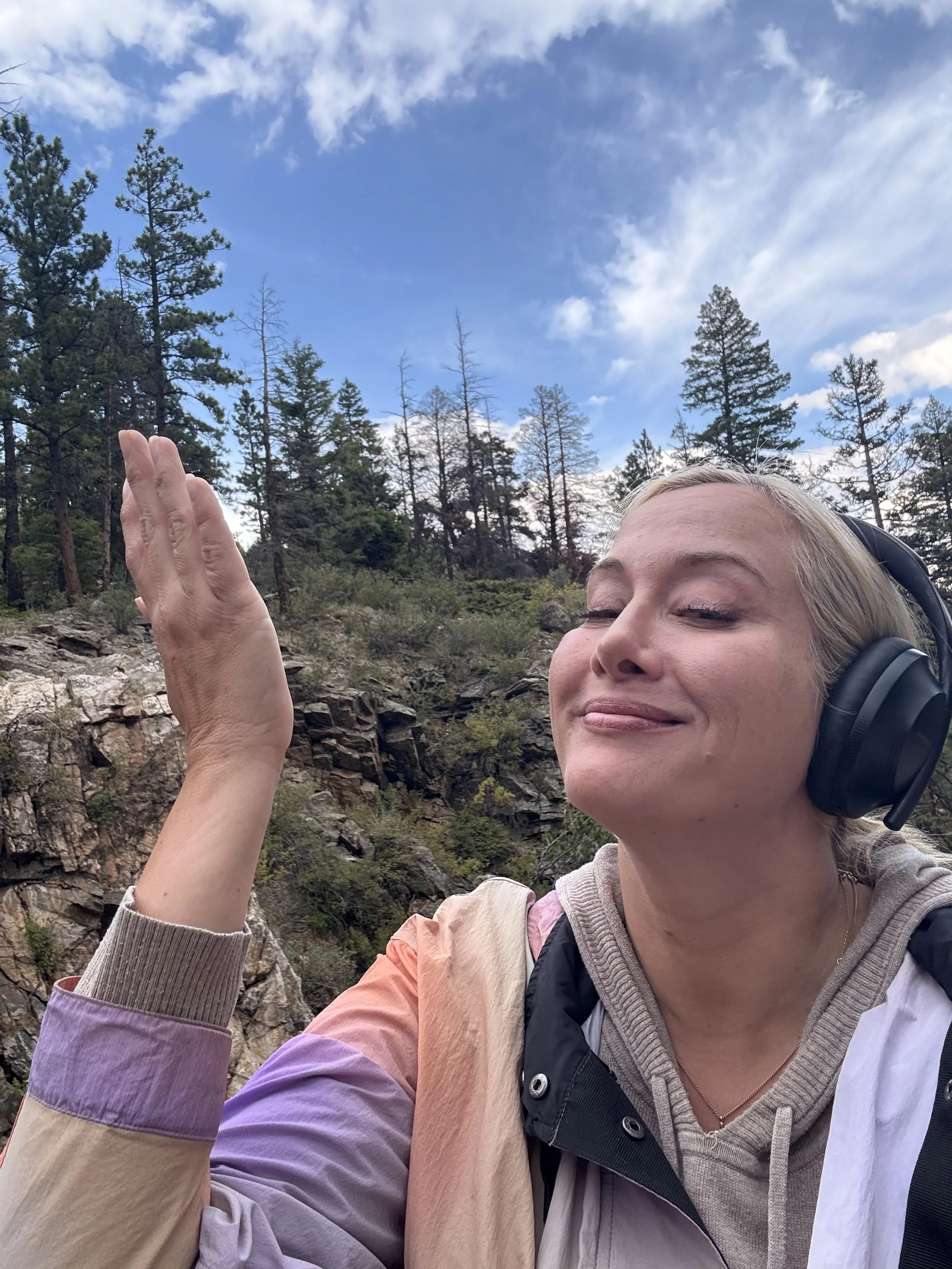
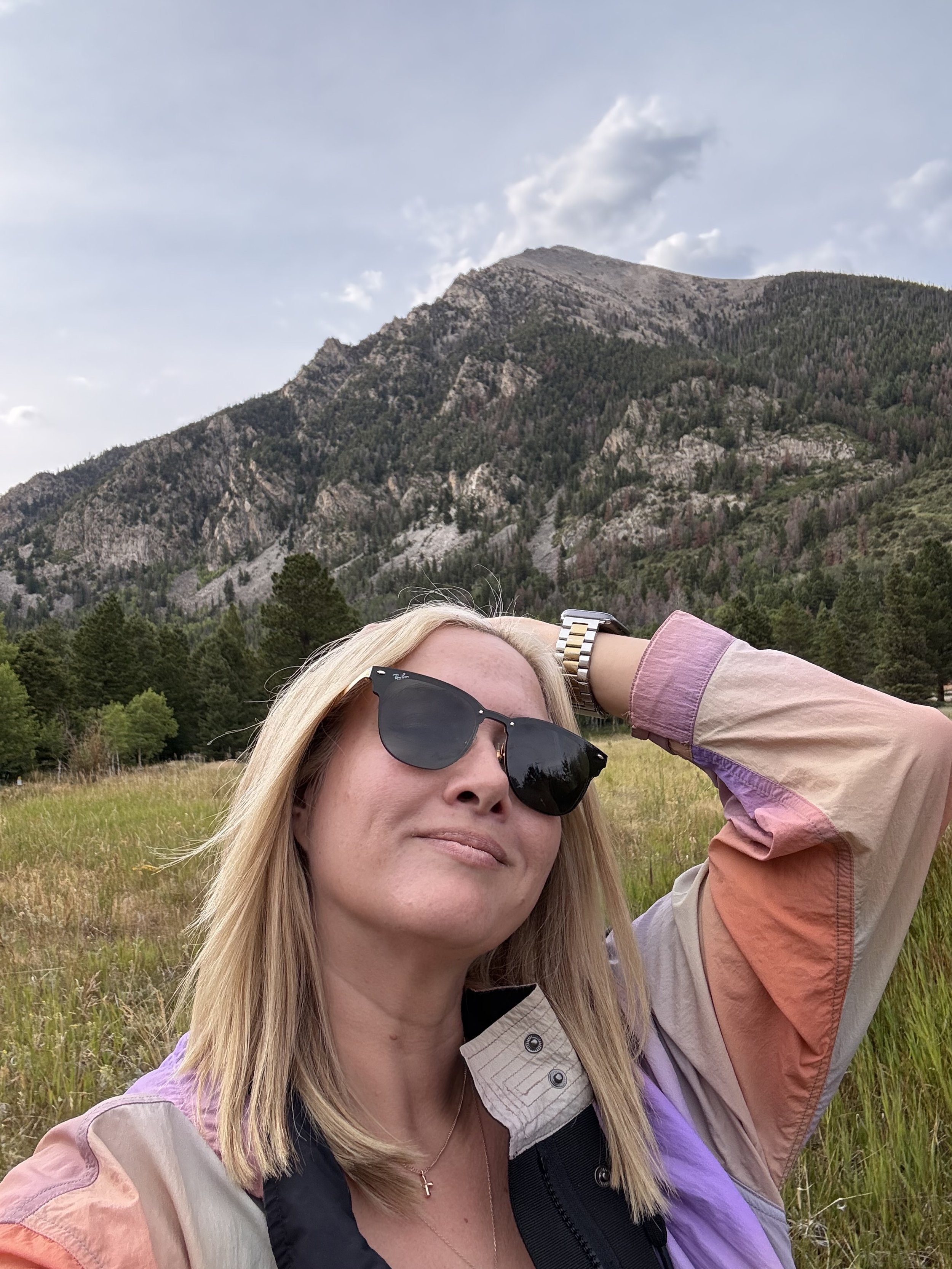
Much of this understanding has been shaped by ancient contemplative practices—especially time spent in silence and solitude through shinrin-yoku, or forest bathing. Walking slowly through the San Isabel National Forest in Salida, Colorado, without agenda, letting my senses lead, I've learned that prayer doesn't require effort when the body feels safe. Breath deepens. Thoughts quiet. Presence becomes palpable. Silence stops feeling empty and starts feeling full.
This past year quietly dismantled many of the dogmatic frameworks I once relied on. This deconstruction hasn't been about rejecting my faith, but about releasing dualistic thinking—us versus them, sacred versus ordinary, spirit versus body. What's emerging in its place is something far more integrated. More honest. More alive. Reconstruction.
Prayer now happens while walking unfamiliar streets, floating in water, standing beneath illuminated skies, while listening to the birds sing. It is no longer confined to words or moments—it permeates everything. I now undertsand that prayer is conscious awareness. Attention. Consent to Presence.
What I'm learning is this: when the body feels safe enough to rest, the soul remembers how to listen. And when life slows down enough, prayer stops performing and starts belonging.
Living this way is reshaping all my intimate relationships, especially with myself…
With Love, unconditionally—
Jennifer
P.S.—I’d love to hear from YOU! Rather than emailing me or dropping me a DM, please post a comment below 👇
Disclosure: This post may contain affiliate links. If you click through a link and make a purchase, it may earn me a small commission, at no additional cost to you! See our disclaimer for details.
Keep Reading…
Dig Deeper…
While death reveals attachment and asks us to let go, the shadow shows us why we can't…