Janzu Pilot Research Project
Research Overview & Proposed Pilot Study
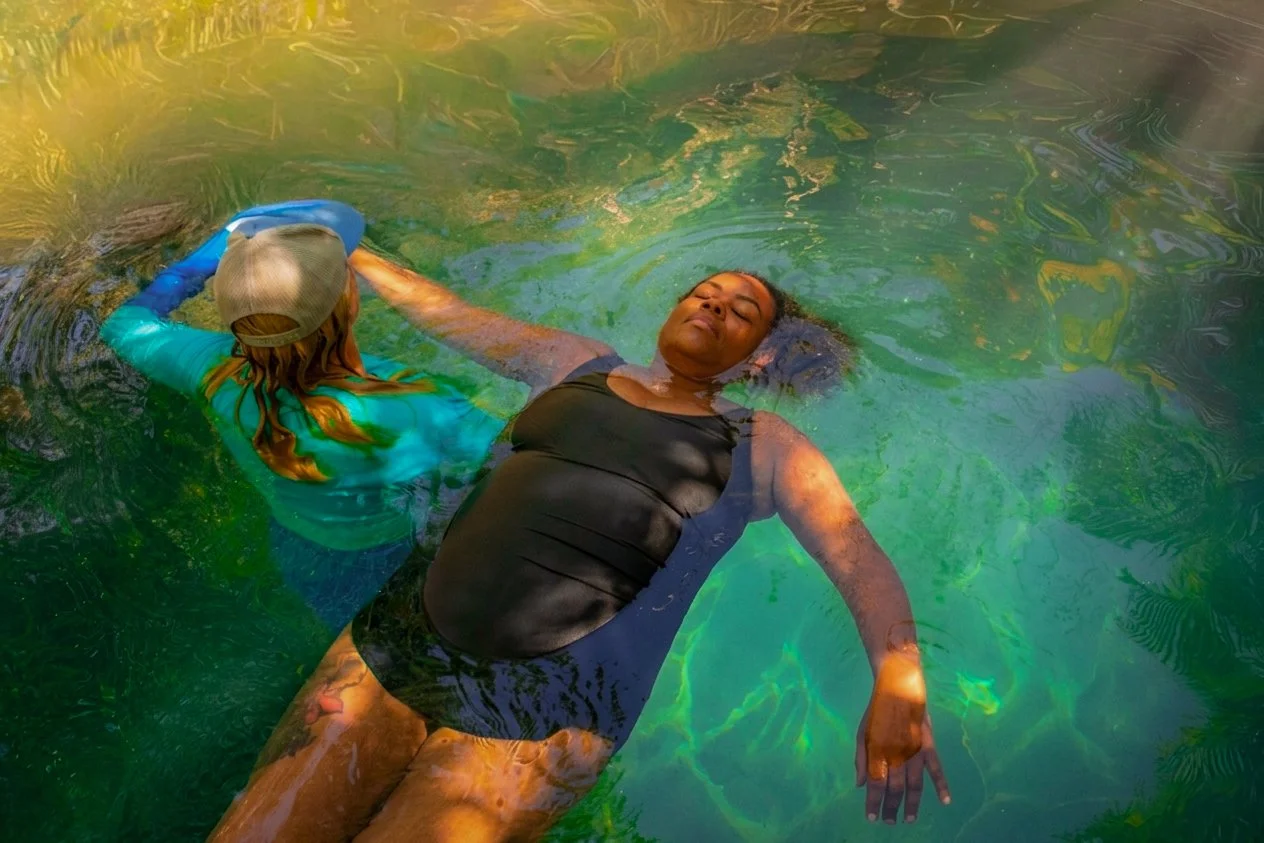
Investigating the Effects of Warm-Water Aquatic Bodywork on Nervous System Regulation
Janzu has been practiced for decades as a form of warm-water aquatic bodywork that combines gentle movement, breath, buoyancy, and therapeutic touch. Participants frequently describe profound experiences of physical relaxation, emotional release, and deep states of meditation and restoration. Despite these reports, little peer-reviewed research exists examining the physiological or psychological effects of warm-water aquatic bodywork.
Our Janzu Research Initiative was established to help address that gap.
Our aim is to develop a rigorous, interdisciplinary research program that investigates the measurable effects of Janzu on the human nervous system while honoring the complexity of the lived human experience. By combining advances in wearable biometric technology with validated psychological assessments and qualitative participant feedback, we hope to contribute meaningful evidence to an emerging field of inquiry.

Research is strongest when it is shaped by multiple perspectives before it begins.
As we develop this pilot study, we’re inviting physicians, physical therapists, occupational therapists, neuropsychologists, researchers, and other healthcare professionals and scientists to review our proposed approach and help strengthen it.
Rather than asking for endorsement, we’re seeking thoughtful critique.
What outcomes would be most meaningful to measure? What questions are we overlooking? How might this study better serve both practitioners and patients?
Our hope is to build a research proposal that reflects both scientific rigor and clinical relevance.
Why This Matters
Modern healthcare has made extraordinary advances in treating disease, yet many people continue to experience chronic stress, nervous system dysregulation, persistent pain, sleep disruption, and burnout.
At the same time, interest is growing in interventions that support autonomic regulation, recovery, and resilience.
Warm-water aquatic bodywork has been practiced around the world for decades, yet its physiological effects remain largely unexplored through contemporary research methods.
We believe this presents an opportunity—not to prove a predetermined conclusion, but to ask thoughtful questions using objective biometric data alongside validated self-report measures.
If warm water bodywork practices like Janzu influence the autonomic nervous system in measurable ways, they may contribute to a broader understanding of non-pharmacological approaches to recovery and human flourishing.
How You Can Contribute
At this stage, we’re looking for conversation—not commitment.
Healthcare professionals and researchers may be able to contribute by:
Reviewing the proposed study design
Recommending clinically meaningful outcome measures
Identifying strengths, limitations, or potential sources of bias
Advising on methodology or participant selection
Sharing perspectives from your own area of expertise
Exploring future opportunities for interdisciplinary collaboration
Every conversation helps us ask better questions.
The autonomic nervous system (ANS) plays a central role in human health, influencing cardiovascular function, emotional regulation, sleep, immune activity, stress recovery, and overall resilience. As interest in nervous system regulation continues to grow across medicine, psychology, rehabilitation, and integrative healthcare, researchers are increasingly seeking interventions that can be evaluated through objective physiological measures alongside subjective human experience.
Heart Rate Variability (HRV) has emerged as one of the most widely used indicators of ANS adaptability. Higher HRV is generally associated with greater physiological flexibility and an improved capacity to respond and recover from stress.
Janzu may offer a unique environment for supporting this process through the combined influence of warm water immersion, supported movement, breath, therapeutic touch, and relational safety. While these mechanisms have yet to be systematically studied within the context of Janzu, they present compelling questions worthy of scientific investigation.
Research Rationale
Proposed Pilot Study
The first phase of the Janzu Research Project is designed to explore whether a structured series of Janzu sessions is associated with measurable changes in autonomic nervous system regulation.
Primary Outcome
Heart Rate Variability (HRV)
Secondary Outcomes
Sleep quality
Resting heart rate
Respiratory rate
Recovery metrics
Perceived stress
Anxiety
Emotional well-being
The proposed study will utilize wearable biometric technology alongside validated self-report assessments to evaluate changes over time. Participants will establish baseline physiological data prior to beginning the intervention, allowing each individual to serve as their own point of comparison throughout the study.
As the research program develops, additional measures and study populations may be incorporated to further investigate the broader effects of Janzu on whole-person health.

Current State of the Evidence
At present, published scientific literature specific to Janzu is extremely limited.
One small observational project conducted in Mexico explored the effects of combining acupuncture with Janzu across a series of treatments. Although exploratory in nature and not designed as a controlled clinical trial, investigators observed meaningful reductions in pain and anxiety among most participants, along with a recurring pattern of progressive emotional processing throughout the treatment series.
These preliminary observations are encouraging, but they also highlight the need for more rigorous research using standardized protocols, objective physiological measures, and interdisciplinary collaboration.
Rather than viewing these early findings as proof, we view them as an invitation to ask better questions.
Our Approach
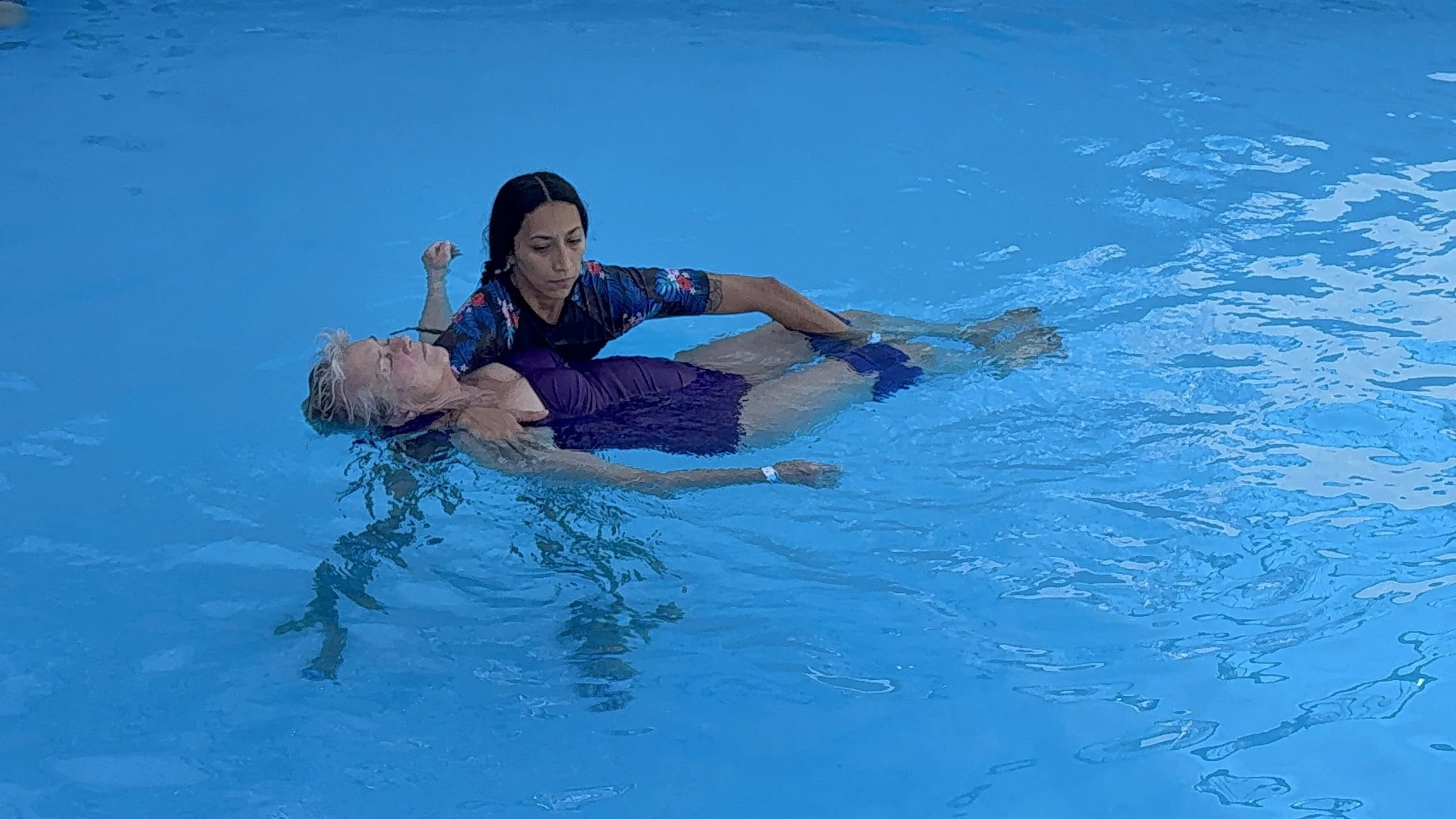
Our goal is not to validate a practice we already believe in, but to investigate it with scientific integrity. We recognize that meaningful research requires rigorous methodology, transparent reporting, interdisciplinary collaboration, and a willingness to follow the evidence wherever it leads.
We’re building this proposal in the open because we believe the best questions emerge through dialogue.
The development of this research project is being informed by perspectives from aquatic bodywork practitioners, healthcare professionals, researchers, and experts in human physiology. As the study design evolves, we are committed to refining the methodology, identifying potential sources of bias, selecting appropriate outcome measures, and pursuing a research process that meets a high standard of scientific integrity.
Our goal is not simply to study Janzu. It is to contribute thoughtfully to the broader understanding of nervous system regulation, recovery, and human flourishing through warm water immersion of the body.
Meet the Janzu Pilot Research Project Practitioners
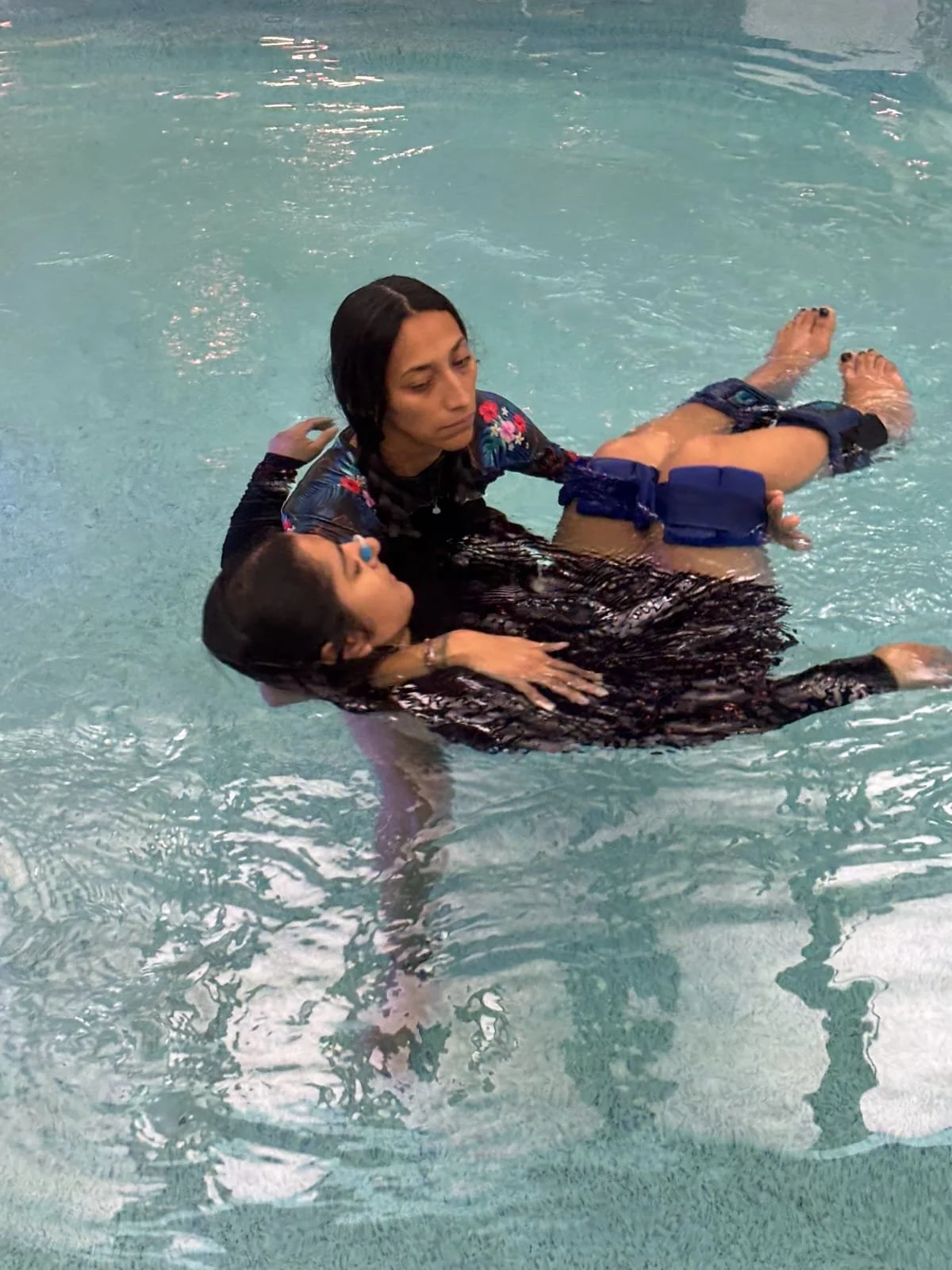
Ileana Cortez
Ileana is a certified Janzu practitioner based in Lansing, Michigan. Drawing on years of experience in aquatic bodywork and a deep reverence for the healing qualities of water, she creates calm, nurturing spaces where clients can soften, surrender, and rediscover ease. Her gentle presence and intuitive guidance make every session a unique invitation into rest and renewal.
Janzu Mother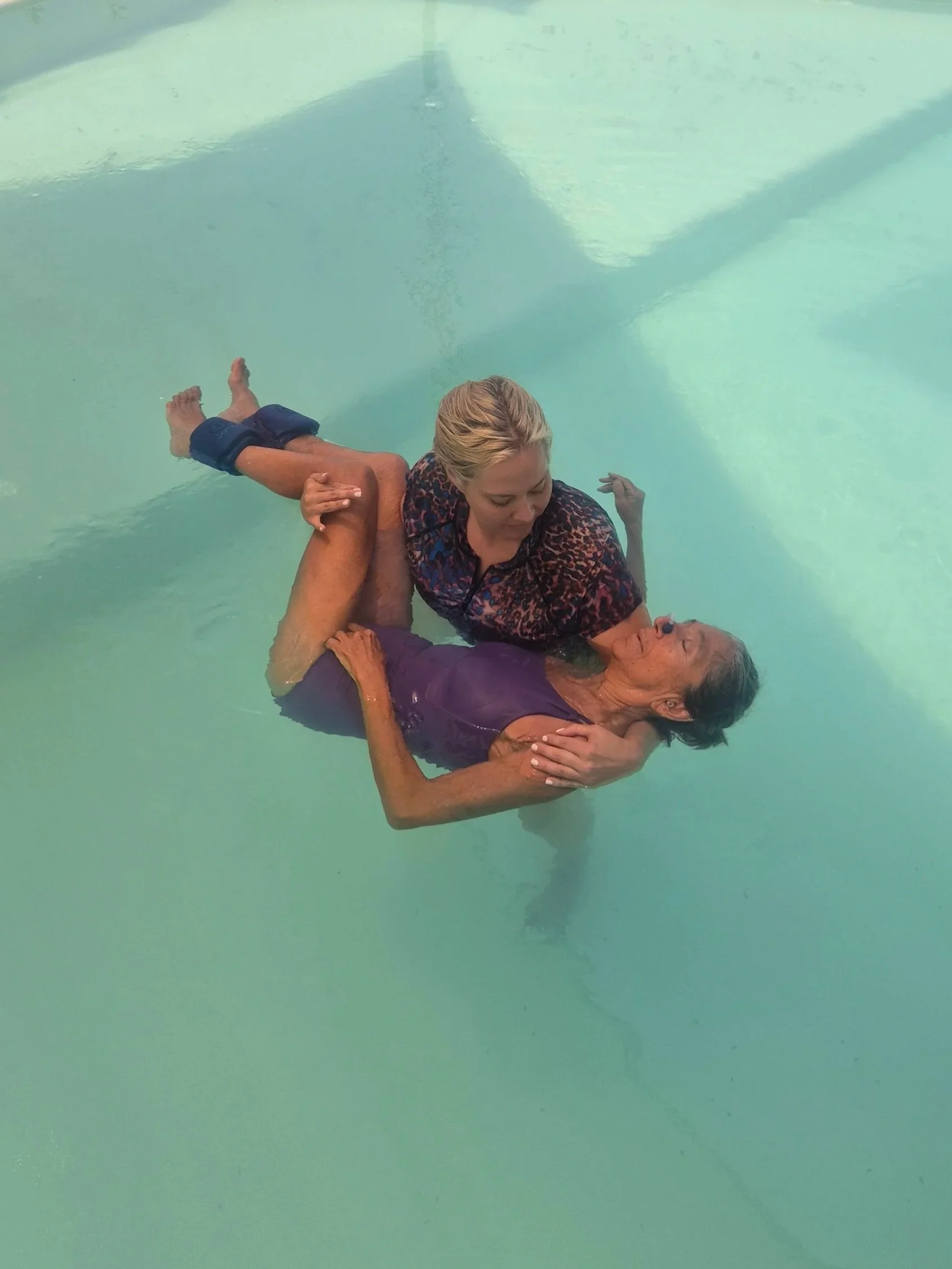
Jennifer Axcell
Jennifer is a certified Janzu practitioner, founder of Loto Wellness Collective, and an experience designer based in Salida, Colorado, and Nayarit, Mexico. Her sessions invite deep rest through flowing movement, warm water, and a relational approach that honors each person's unique rhythm. Jennifer offers aquatic bodywork as a practice of presence, helping people reconnect with themselves through the quiet intelligence of water.
Janzu Mother